Educational article
Diabetes: What It Is, Symptoms, Diagnosis, and Treatment

Dr. Teresita Cortés Segura, medical reviewer
Author and medical review: Dra. Teresita del Niño Jesús Cortés Segura, endocrinologist.
Location: Bogotá, Colombia.
Published: January 1, 2025 · Updated: April 21, 2026 · 8 min read.
Educational content. It does not replace an individual medical assessment and should not be used for self-medication.
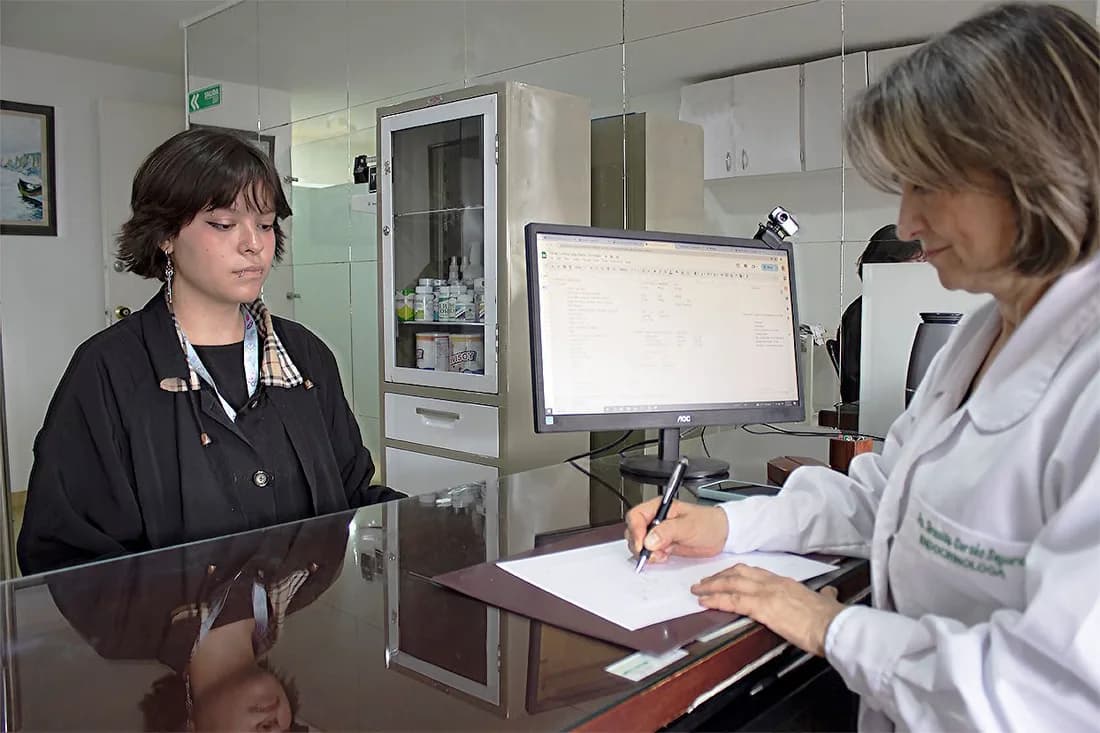
What Is Diabetes?
Diabetes is a group of metabolic disorders characterized by persistently elevated blood glucose levels. It may result from insufficient insulin production, an inadequate response of tissues to insulin action, or both phenomena simultaneously. There are different types (type 1, type 2, gestational, and other less common forms), each requiring a particular approach to evaluation and follow-up. Understanding the type and clinical context is key to making safe decisions.
Common Symptoms
Diabetes can present with intense thirst, increased urination frequency, preserved or increased appetite with weight loss, fatigue, and blurred vision. Some people experience recurrent skin or urinary infections. It is also possible to have no symptoms in the early stages, especially in type 2 diabetes, so preventive screenings in people at risk (age, family history, overweight, hypertension) help detect it before complications develop.
Diagnosis
Diagnosis relies on standardized laboratory tests (fasting glucose, hemoglobin A1c, tolerance tests), always interpreted within the clinical history. A single abnormal value does not necessarily determine the same management for all individuals, and sometimes confirmation tests are recommended. Factors such as infections, medications, or acute stress can temporarily alter results. Therefore, professional evaluation helps decide when to repeat tests and how to integrate them with the physical examination.
Risks and Complications
Without proper control, sustained hyperglycemia can affect blood vessels and nerves over time. Among the most well-known complications are eye, kidney, neurological, and cardiovascular problems. Detecting them early and assessing overall risk allows prioritizing actions that prevent or delay their onset. Patient education and continuous support are crucial to improving outcomes and quality of life.
Comprehensive Treatment
Management combines education, healthy habits, and, when appropriate, medication. There is no single regimen valid for everyone: it is personalized considering glycemic goals, preferences, comorbidities, hypoglycemia risks, and psychosocial context. Self-medication or dose changes without guidance can be risky. A clear plan, agreed upon in consultation, facilitates adherence and reduces unwanted events.
Habits and Follow-Up
Supervised nutrition, progressive physical activity, and adequate rest are pillars of care. Glucose monitoring and the frequency of check-ups are defined individually to avoid confusion and counterproductive measures. Supporting the numbers with education and realistic goals helps make informed decisions daily. Regular follow-up allows adjusting the plan when circumstances change.
When to Consult
If you have compatible symptoms, risk factors, or questions about your results, schedule an evaluation. We will review your history, goals, and expectations to build a safe and personalized plan, avoiding generic recommendations that do not consider your situation.
When to seek medical care
If symptoms persist, test results are abnormal, or you have questions about medication, arrange an individual assessment. Do not change treatment or doses without medical guidance.
Frequently asked questions
Is diabetes curable?
Type 1 diabetes has no cure; type 2 diabetes can remit with intensive lifestyle changes and weight control but requires ongoing follow-up.
What is the A1c target?
It is usually individualized; in many non-pregnant adults, the goal is ≤7%, adjusted for age, risks, and hypoglycemia.
More articles about Diabetes
6 min de lectura
Publicado: 4 de octubre de 2026 · Actualizado: 4 de octubre de 2026
Everyday Strategies to Minimize Complications in Diabetes
Discover practical and effective strategies to prevent complications in diabetes and improve your quality of life in Bogotá.

8 min de lectura
Publicado: 25 de septiembre de 2026 · Actualizado: 25 de septiembre de 2026
Managing Diabetes: Treatment Options and Realistic Expectations
This article explores treatment options for diabetes and sets realistic expectations for effective day-to-day management, especially in the context of Bogotá.

5 min de lectura
Publicado: 17 de septiembre de 2026 · Actualizado: 17 de septiembre de 2026
Preparing for Your Diabetes Medical Checkups: Practical and Effective Tips
Learn how to prepare for your diabetes medical checkups with practical and effective tips that will help you improve your health.

5 min de lectura
Publicado: 7 de agosto de 2026 · Actualizado: 7 de agosto de 2026
Diabetes: Differentiating Common and Less Common Symptoms You Should Know
Discover the most common and less common symptoms of diabetes to stay alert and seek appropriate help.

5 min de lectura
Publicado: 6 de agosto de 2026 · Actualizado: 6 de agosto de 2026
Altered Results in Diabetes: Understanding Their Impact and Next Steps
This article explores altered results in diabetes, their impact on health, and the steps to take for proper management.

8 min de lectura
Publicado: 26 de septiembre de 2026 · Actualizado: 26 de septiembre de 2026
How to Maintain a Healthy Lifestyle to Prevent Diabetes Complications
Learn how a healthy lifestyle can help prevent complications such as neuropathy and retinopathy in people with diabetes, with practical advice and answers to common myths.