Educational article
Hormones: Basic Concepts and When to Consult

Dr. Teresita Cortés Segura, medical reviewer
Author and medical review: Dra. Teresita del Niño Jesús Cortés Segura, endocrinologist.
Location: Bogotá, Colombia.
Published: May 15, 2026 · Updated: September 29, 2026 · 6 min read.
Educational content. It does not replace an individual medical assessment and should not be used for self-medication.

Related videos
Introduction
Saying "I have something hormonal" has become a way to name very different discomforts. Sometimes there is a real imbalance; other times, the problem is better explained by habits, stress, medications, or non-endocrine conditions. Therefore, before requesting extensive studies, it is advisable to organize the history and explore probable hypotheses. A good plan starts with the right questions.
What They Are
Hormones are chemical messengers that coordinate essential functions such as growth, metabolism, reproduction, and stress response. A change in their production or action can affect several systems at once. For this reason, hormonal symptoms can be broad and sometimes subtle.
Hormonal Axes
The hypothalamic–pituitary–thyroid, adrenal, and gonadal axes work together with fine feedback mechanisms. Alterations in one link can manifest remotely and with varied presentations. Understanding this interaction avoids simple solutions to complex problems.
Warning Signs
Unexplained weight changes, menstrual irregularities, persistent fatigue, muscle mass loss, hair loss, or mood changes are common reasons for consultation. The chronology and context help guide the cause.
Proper Evaluation
It begins with clinical history and physical examination. Tests are selected according to suspicion; requesting extensive "panels" without criteria can confuse and lead to erroneous interpretations. Clinical correlation is essential to decide what to measure and when to repeat it.
Common Myths
The idea of "balancing" hormones with general supplements often oversimplifies what requires diagnosis. Not all discomfort is due to hormones, and when it is, treatment is defined by the cause.
When to Consult
If you have persistent symptoms or doubts about laboratory results, schedule an evaluation. We will help you prioritize studies and build a clear plan, avoiding unnecessary tests or treatments.
Your Personal Plan
We will work with concrete and measurable objectives, focused on relieving what affects you most and answering your questions clearly. We will avoid redundant exams and put findings into context so you know what they mean and what to expect. The idea is for you to leave with a practical plan and the peace of mind of being on the right path.
Final Notes
Recording symptoms, times, and associated situations can provide useful clues for diagnosis. The goal is not to do "all the tests," but those necessary to answer specific clinical questions without wasting time or resources.
Summary and Next Steps
When we talk about "hormones," it is common to oversimplify problems that require careful clinical focus. Our goal is to translate symptoms and data into a concrete and safe action plan, without indiscriminate testing or unrealistic promises. In consultation, we will organize priorities, define which studies are truly helpful, and outline appropriate follow-up. If you seek practical, evidence-based guidance, schedule your appointment to move forward with confidence. We will review habits, medications, and symptom records to understand patterns and make informed decisions, without shortcuts that promise more than they can deliver.
When to seek medical care
If symptoms persist, test results are abnormal, or you have questions about medication, arrange an individual assessment. Do not change treatment or doses without medical guidance.
Frequently asked questions
Can I "balance" hormones with supplements?
Avoid self-medication; correction depends on the cause and requires medical evaluation.
More articles about Hormonas y trastornos hormonales

5 min de lectura
Publicado: 11 de octubre de 2026 · Actualizado: 11 de octubre de 2026
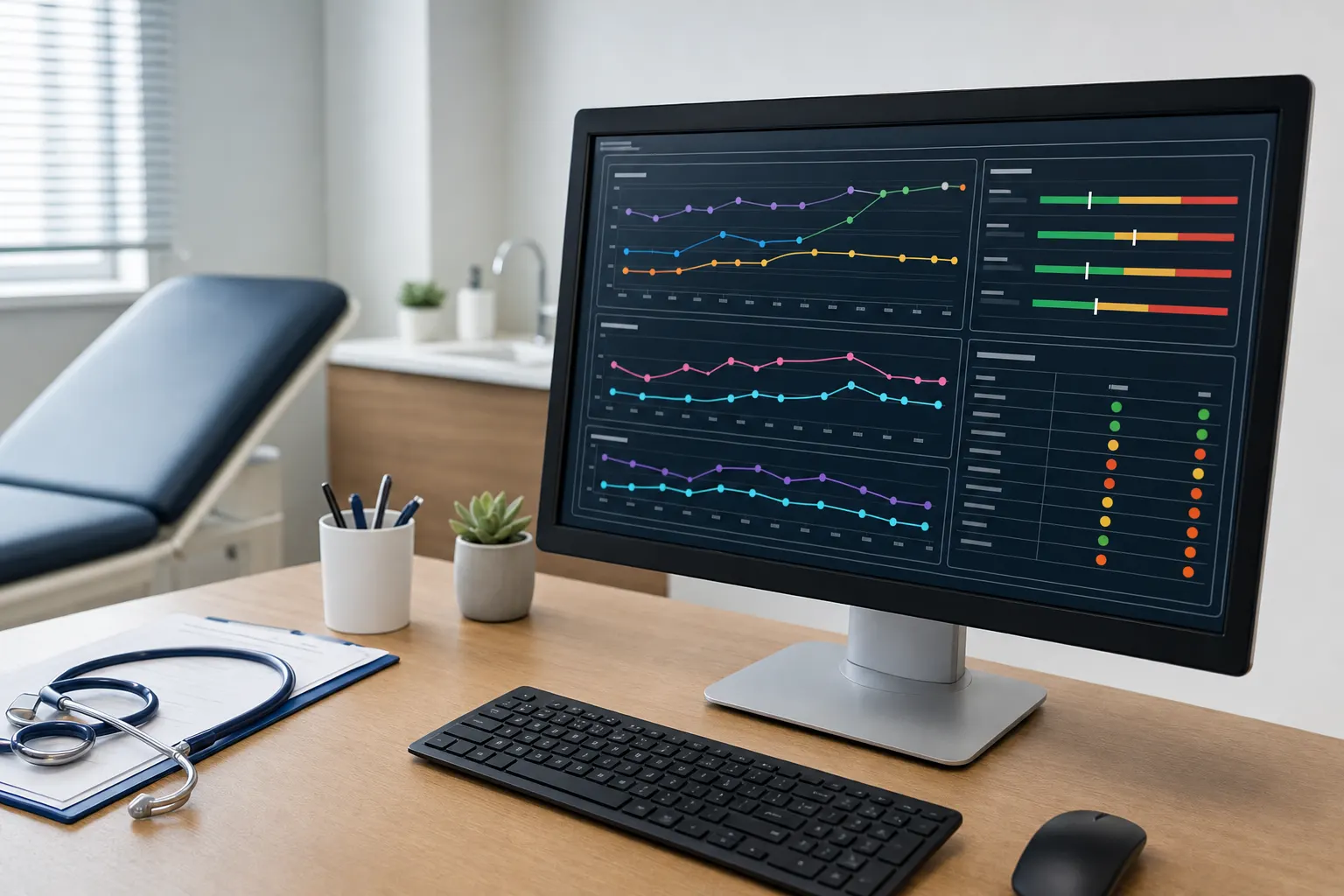
How to Personalize Your Hormonal Treatment: Keys for an Informed Decision
Discover how to personalize your hormonal treatment in an informed manner, considering key factors and important signs.
5 min de lectura
Publicado: 10 de octubre de 2026 · Actualizado: 10 de octubre de 2026
The Importance of Conducting Multiple Tests for Accurate Hormonal Diagnosis
Explore the complexity of hormonal diagnosis and the need for multiple tests to achieve accurate results in endocrinology.

5 min de lectura
Publicado: 8 de octubre de 2026 · Actualizado: 8 de octubre de 2026
Everyday Practices to Avoid Hormonal-Related Complications
Discover everyday practices to prevent hormonal complications and maintain a healthy balance in your life.
5 min de lectura
Publicado: 7 de octubre de 2026 · Actualizado: 7 de octubre de 2026
Essential Tips for Preparing for Your Hormone Tests
Discover how to effectively prepare for your hormone tests and optimize your health with these practical and specific tips.

6 min de lectura
Publicado: 6 de octubre de 2026 · Actualizado: 6 de octubre de 2026
Hormones: Identifying Key Symptoms and Warning Signs You Should Not Ignore
Discover specific hormonal symptoms and learn to recognize warning signs that require specialized medical attention.

7 min de lectura
Publicado: 9 de octubre de 2026 · Actualizado: 9 de octubre de 2026
Hormonal Treatments: What to Expect and How to Choose the Best Option for You
Explore hormonal treatment options, what to expect, and how to choose the best option for you with clear and precise information.