Educational article
Obesity: Causes, Risks, and Treatment Options

Dr. Teresita Cortés Segura, medical reviewer
Author and medical review: Dra. Teresita del Niño Jesús Cortés Segura, endocrinologist.
Location: Bogotá, Colombia.
Published: January 1, 2025 · Updated: April 21, 2026 · 9 min read.
Educational content. It does not replace an individual medical assessment and should not be used for self-medication.
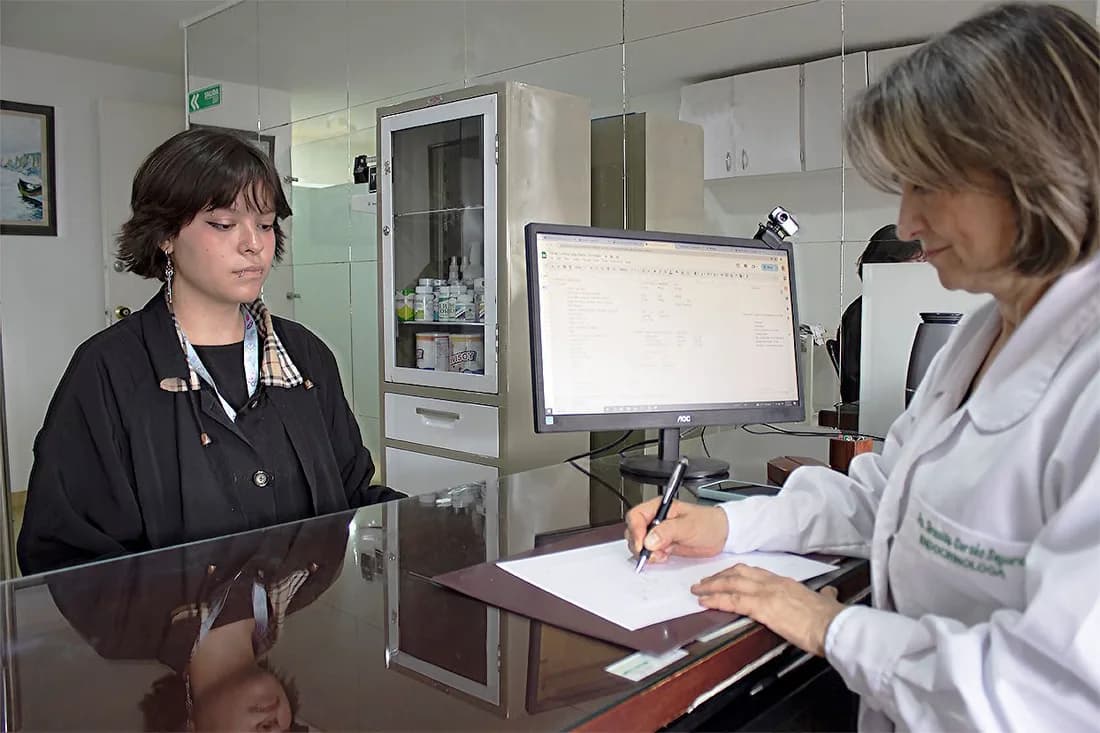
What Is Obesity
Obesity is a chronic condition characterized by an excess of adipose tissue that can affect health. It is not simply a matter of "lack of willpower": biology, environment, sleep, medications, mental health, and family history all play a role. Understanding the causes in your case helps choose a realistic and sustainable plan.
Causes and Contributing Factors
Changes in diet, sedentary lifestyle, stress, lack of sleep, irregular schedules, and certain medications can promote weight gain. Hormonal conditions may also influence it. During consultation, the full context is reviewed to avoid generic plans that do not work.
Health Risks
Obesity can be associated with type 2 diabetes, hypertension, fatty liver, sleep apnea, cholesterol abnormalities, and increased cardiovascular risk. Not everyone has the same risk: therefore, it is essential to evaluate measurements, history, and tests.
Evaluation and Diagnosis
In addition to weight, fat distribution, abdominal circumference, blood pressure, and laboratory tests are assessed. Habits, sleep, emotional health, and personal goals are also reviewed. This evaluation guides the plan and allows progress to be measured with indicators beyond the scale.
Comprehensive Treatment
Management combines education, nutrition, progressive physical activity, sleep, and, in some cases, medications or procedures. Decisions are personalized based on risks, preferences, and history. Avoid self-medicating or using "universal recipes"; this can be unsafe and ineffective.
Follow-up and Realistic Goals
An initial goal is usually to lose a percentage of weight gradually and measurably, prioritizing metabolic health and daily energy. Follow-up allows adjustment of the plan, prevention of rebound, and maintenance of changes adapted to your life.
When to Consult
If you have been trying to lose weight without results for some time, have comorbidities, or have questions about medications, schedule an evaluation. We will build a safe, practical, and sustainable plan.
When to seek medical care
If symptoms persist, test results are abnormal, or you have questions about medication, arrange an individual assessment. Do not change treatment or doses without medical guidance.
Frequently asked questions
Is obesity just caused by overeating?
No. Biological factors, environment, sleep, stress, medications, and genetics are involved. That is why an effective approach is usually comprehensive.
What is the best diet?
There is no single ideal diet for everyone. A plan is defined according to your preferences, context, and metabolic health to ensure sustainability.
Is it safe to take medications to lose weight?
It depends on the case. They should be prescribed and monitored by professionals, considering risks, benefits, and contraindications.
More articles about Obesidad
6 min de lectura
Publicado: 22 de septiembre de 2026 · Actualizado: 22 de septiembre de 2026
Deciding on Obesity Treatment: A Personalized Approach Tailored to Each Patient
Discover how individualized obesity treatment can transform patients' health and quality of life in Bogotá.
5 min de lectura
Publicado: 18 de septiembre de 2026 · Actualizado: 18 de septiembre de 2026
Vital Checks to Detect Obesity Complications in Early Stages
Learn about the importance of vital checks to detect obesity complications in their early stages.
5 min de lectura
Publicado: 3 de septiembre de 2026 · Actualizado: 3 de septiembre de 2026
Common Mistakes and How to Prepare for Obesity Diagnostic Tests
Learn about common mistakes when preparing for obesity diagnostic tests and how to avoid them to obtain accurate results.

5 min de lectura
Publicado: 30 de agosto de 2026 · Actualizado: 30 de agosto de 2026
Habit Tracking for Obesity Management: Practical Stress-Free Strategies
Learn how habit tracking can be an effective tool for managing obesity, enabling healthy and stress-free monitoring.

5 min de lectura
Publicado: 2 de agosto de 2026 · Actualizado: 2 de agosto de 2026
Obesity Symptoms That Indicate the Need for a Medical Evaluation
Discover the obesity symptoms that may signal the need for a specialized medical evaluation. Learn when it is essential to consult an endocrinologist in Bogotá.

6 min de lectura
Publicado: 25 de agosto de 2026 · Actualizado: 25 de agosto de 2026
Obesity and Its Warning Signs: Recognizing Potential Complications
Discover the warning signs that may indicate complications associated with obesity and how to manage them appropriately.