Educational article
What is cortisol and what does it do?

Educational content. It does not replace an individual medical assessment and should not be used for self-medication.
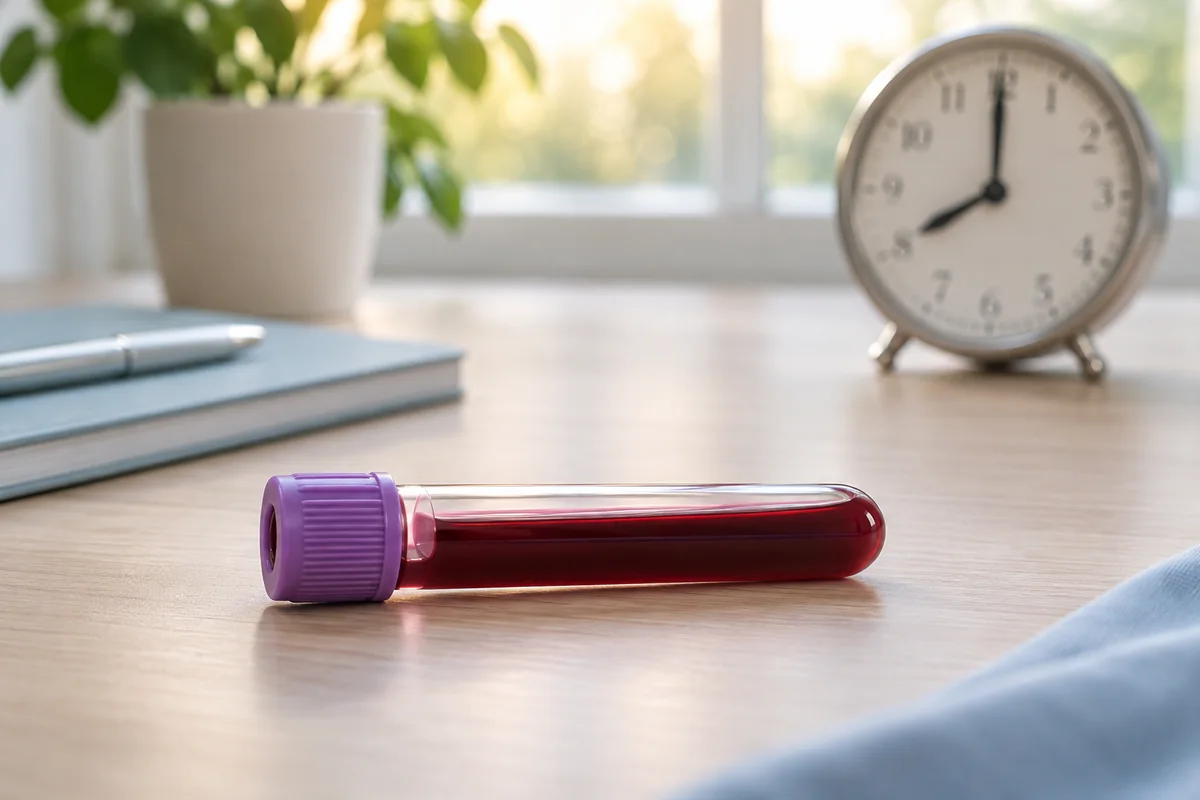
Where it comes from and what it does
The adrenal glands sit above the kidneys. They make cortisol in response to signals from the brain and pituitary. Cortisol helps maintain blood pressure, regulate how the body uses energy and modulate inflammation.
Why there is a daily rhythm
In people on a typical sleep schedule, cortisol is usually higher in the morning and lower at night. It can also rise during illness or other physical stress. Sampling time matters because the body produces different amounts at different times.
How a test is chosen
Cortisol tests answer different questions. A morning blood sample can help investigate insufficient production. When excess is suspected, clinicians may choose different tests. Mention steroid medicines or night shift work.
When to seek medical care
If symptoms persist, test results are abnormal, or you have questions about medication, arrange an individual assessment. Do not change treatment or doses without medical guidance.
Frequently asked questions
Does being stressed mean I have a cortisol disorder?
Stress can cause temporary changes. Symptoms, history and tests selected for a clinical question help distinguish an expected response from a disorder.
References
- Adrenal Hormones · Endocrine Society
Does this topic resonate with you?
Every case is different. Book a consultation to review your history, test results and goals with a personalized plan.
More articles about Adrenal glands
3 min de lectura
Publicado: 16 de noviembre de 2026 · Actualizado: 16 de noviembre de 2026
Low cortisol: what timing and sample type can tell you
Learn why sampling time, sample type and steroid medicines matter when interpreting a low cortisol result.

6 min de lectura
Publicado: 19 de septiembre de 2026 · Actualizado: 19 de septiembre de 2026
Urine or Salivary Cortisol: Collection Errors That May Require Repeating the Test
A guide to collecting 24-hour urine or saliva for cortisol testing and what to do if a sample is spilled, a collection is missed, or you have questions about timing or storage. The laboratory will confirm whether the sample can be processed or needs to be recollected.
6 min de lectura
Publicado: 1 de noviembre de 2026 · Actualizado: 1 de noviembre de 2026
After Long-Term Corticosteroid Use: When to Consider Adrenal Suppression
Prolonged or repeated glucocorticoid use can temporarily reduce the body’s own cortisol production. Learn what history to gather and why you should not change treatment without professional guidance.

5 min de lectura
Publicado: 31 de octubre de 2026 · Actualizado: 31 de octubre de 2026
It Takes You Longer to Recover After Everyday Activities: When to Consider the Adrenal Glands
If everyday activities such as climbing stairs leave you feeling tired for a long time, learn what information can help make sense of the change and why it is not enough to attribute it to the adrenal glands.

6 min de lectura
Publicado: 31 de octubre de 2026 · Actualizado: 31 de octubre de 2026
Living With Adrenal Replacement Therapy: Habits That Support a Safe Routine
How to organize hormone replacement for adrenal insufficiency around changes in schedules, exercise, and travel, without replacing the individual plan recommended by your healthcare team.

6 min de lectura
Publicado: 15 de octubre de 2026 · Actualizado: 15 de octubre de 2026
Fatigue in Older Adults: When to Consider the Adrenal Glands—and When Not To
Fatigue and dizziness in older adults can have many causes. Age does not mean the adrenal glands are failing: learn when a healthcare professional may consider evaluating cortisol.