Educational article
Caffeine effects: sleep, palpitations and how to track intake

Educational content. It does not replace an individual medical assessment and should not be used for self-medication.

What you may notice after consuming it
Caffeine is a stimulant. It can make you more alert and can cause jitteriness, palpitations or digestive discomfort in some people. Effects vary with how much you take, how sensitive you are and when you take it. A late serving can disturb sleep even without obvious jitteriness.
Count all sources
Besides coffee, caffeine can be found in some teas, energy drinks, sodas, supplements and medicines. The amount in a cup depends on size and preparation. When a label is available, check whether the amount is per serving or per container.
How to see whether it affects you
For a few days, note what you consume, when and how you sleep. To explore a mild pattern, try moving your last serving earlier or reducing intake gradually. No single timing fits everyone. Pregnancy, some medicines and persistent symptoms call for an individual discussion.
When to seek care
If palpitations, insomnia or discomfort persist, share your record with your care team. Caffeine can contribute, but other causes are possible. Seek urgent care if palpitations occur with chest pain, fainting or difficulty breathing.
When to seek medical care
If symptoms persist, test results are abnormal, or you have questions about medication, arrange an individual assessment. Do not change treatment or doses without medical guidance.
Frequently asked questions
Do tea and energy drinks count?
Yes. Include different sources, including caffeine in supplements or medicines.
Does the same amount affect everyone the same way?
Sensitivity and sleep effects vary, and the time of day may matter.
References
Does this topic resonate with you?
Every case is different. Book a consultation to review your history, test results and goals with a personalized plan.
More articles about Cardiometabolic health and lipids

5 min de lectura
Publicado: 14 de junio de 2026 · Actualizado: 14 de junio de 2026
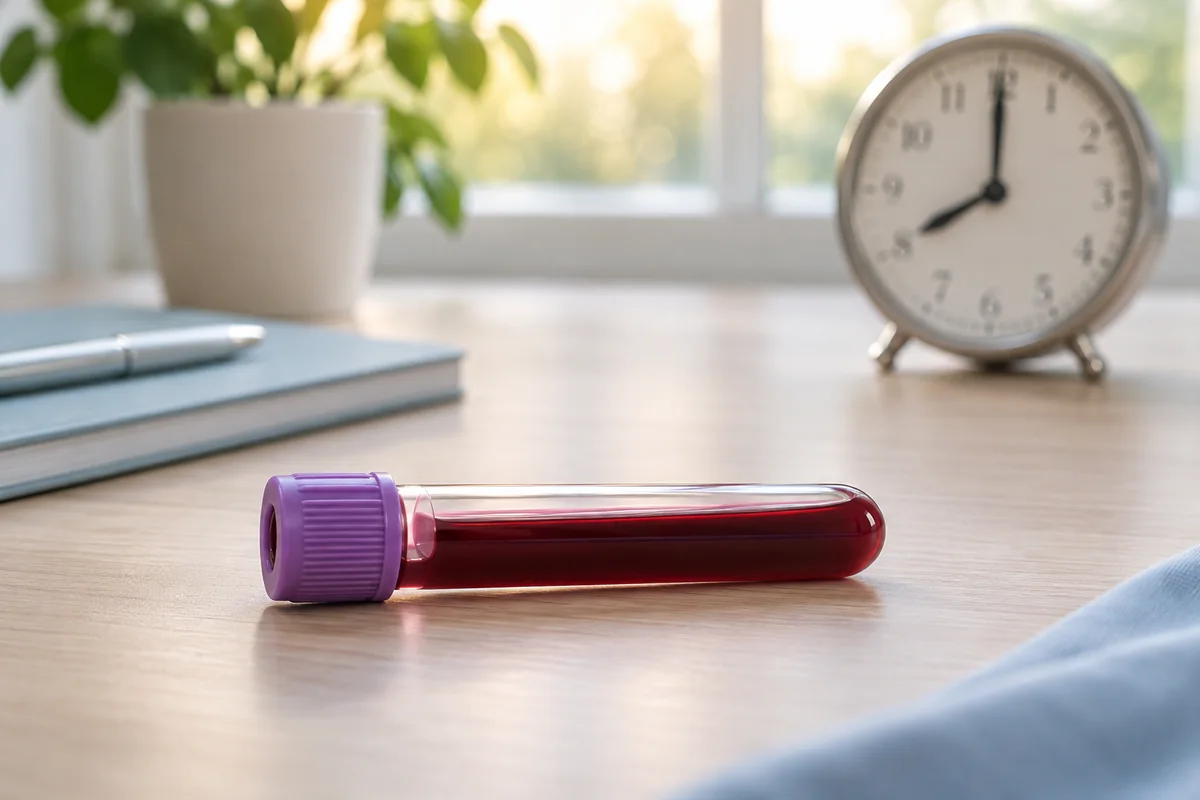
When Your Breakfast Changes: How to Avoid Interference with Levothyroxine
Shift changes, coffee, or supplements can affect your levothyroxine routine. Learn which times to record and what to ask before changing your regimen.
3 min de lectura
Publicado: 16 de noviembre de 2026 · Actualizado: 16 de noviembre de 2026
Low cortisol: what timing and sample type can tell you
Learn why sampling time, sample type and steroid medicines matter when interpreting a low cortisol result.

3 min de lectura
Publicado: 16 de noviembre de 2026 · Actualizado: 16 de noviembre de 2026
Seed oils and cholesterol: what matters when choosing fats
Understand the difference between saturated and unsaturated fats and what it means to replace one with the other.

3 min de lectura
Publicado: 16 de noviembre de 2026 · Actualizado: 16 de noviembre de 2026
Sweet cravings: when to review habits and when to seek advice
What helps explain cravings and why a craving alone cannot identify a deficiency.

5 min de lectura
Publicado: 31 de octubre de 2026 · Actualizado: 31 de octubre de 2026
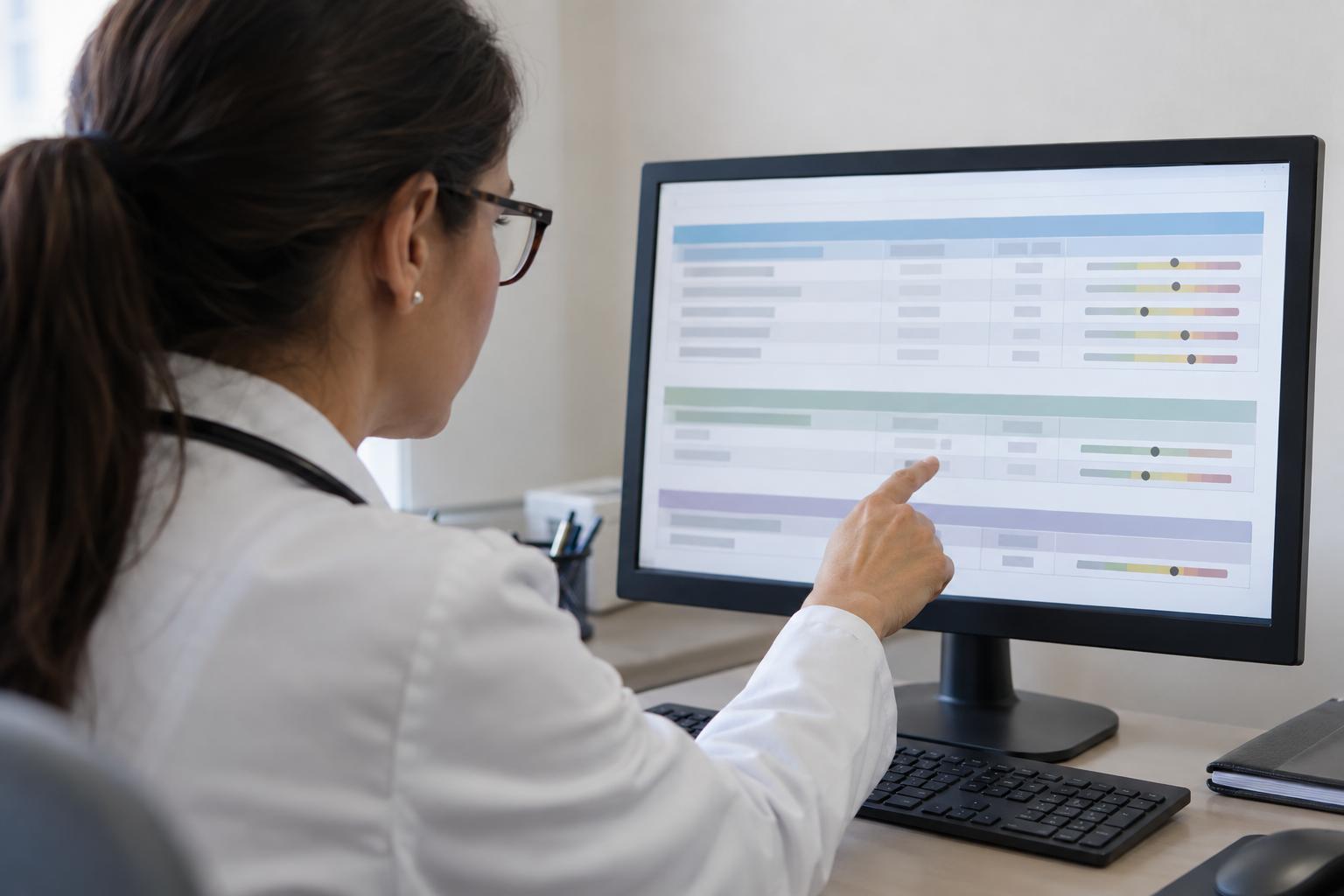
It’s Not All About Diet: Everyday and Medical Factors That Also Affect Lipids
Diet is not the only relevant factor when interpreting a lipid panel. Learn which medications, health conditions, tobacco use, and sleep-related factors are worth mentioning during a review, and why they do not by themselves identify the cause of an abnormal result.
5 min de lectura
Publicado: 28 de octubre de 2026 · Actualizado: 28 de octubre de 2026
Beyond Standard Cholesterol Tests: When to Discuss ApoB and Lipoprotein(a)
ApoB and lipoprotein(a) may provide additional information alongside a lipid panel in some situations. Learn what they measure, when testing might be considered, and how results are interpreted together with your medical history.