Educational article
Continuous glucose monitoring: how to read your CGM

Educational content. It does not replace an individual medical assessment and should not be used for self-medication.
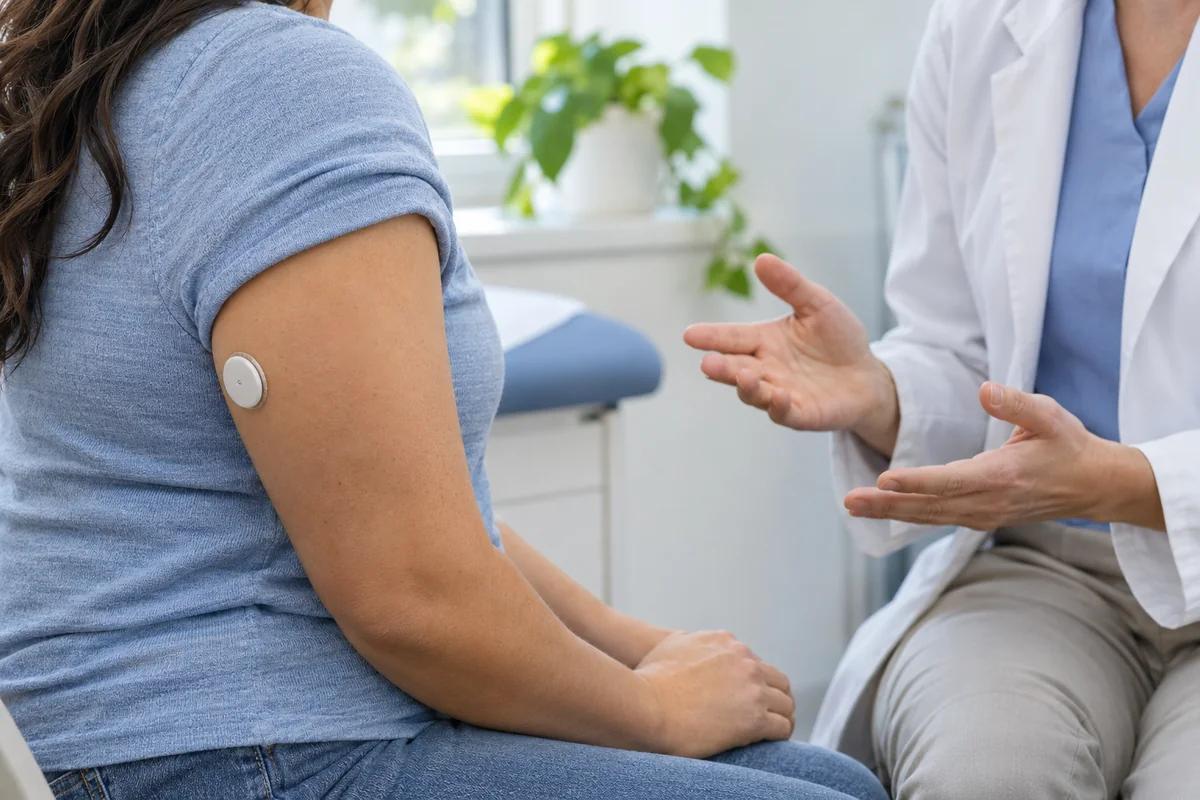
What the sensor measures
Continuous glucose monitoring uses a sensor to estimate glucose in the fluid around your cells. Readings go to a compatible receiver or phone at regular intervals. The main advantage is seeing how glucose changes throughout the day and overnight, including between your usual checks.
Reading the graph and its arrows
The number is an estimate at that moment. The arrow indicates the direction of change and, depending on the device, how quickly it is changing. To understand a particular reading, look at the graph and think about meals, activity or a change in routine. A pattern that recurs offers more information than a single spike.
What time in range means
The report summarizes the share of readings within, above or below an agreed glucose range. Goals can vary according to your circumstances. Check for gaps in the data, including missing days or nights. Bring the dated report and ask which patterns matter most for your care.
When to compare with a blood glucose meter
Sensor and fingerstick readings can differ, particularly when glucose is changing rapidly. If a reading does not match how you feel or the system prompts you, follow the device instructions and your care plan for checking with a meter. Seek urgent care for severe symptoms.
How to use the report at your visit
Choose a couple of times that raised questions and bring your report, usual schedule and treatment list. Ask about your individual targets, which alerts are helpful and what to do when readings are low. Medication changes should follow the plan agreed with your care team.
When to seek medical care
If symptoms persist, test results are abnormal, or you have questions about medication, arrange an individual assessment. Do not change treatment or doses without medical guidance.
Frequently asked questions
Does a sensor measure the same thing as a blood glucose meter?
A sensor estimates glucose in interstitial fluid. A meter measures a sample of blood. Differences can be more noticeable when glucose changes quickly.
Does everyone with diabetes need a CGM?
It depends on treatment, the risk of low glucose and the goals of monitoring. Ask your team what information would make a difference to your care.
References
- Continuous Glucose Monitoring · NIDDK
Does this topic resonate with you?
Every case is different. Book a consultation to review your history, test results and goals with a personalized plan.
More articles about Diabetes
3 min de lectura
Publicado: 16 de noviembre de 2026 · Actualizado: 16 de noviembre de 2026
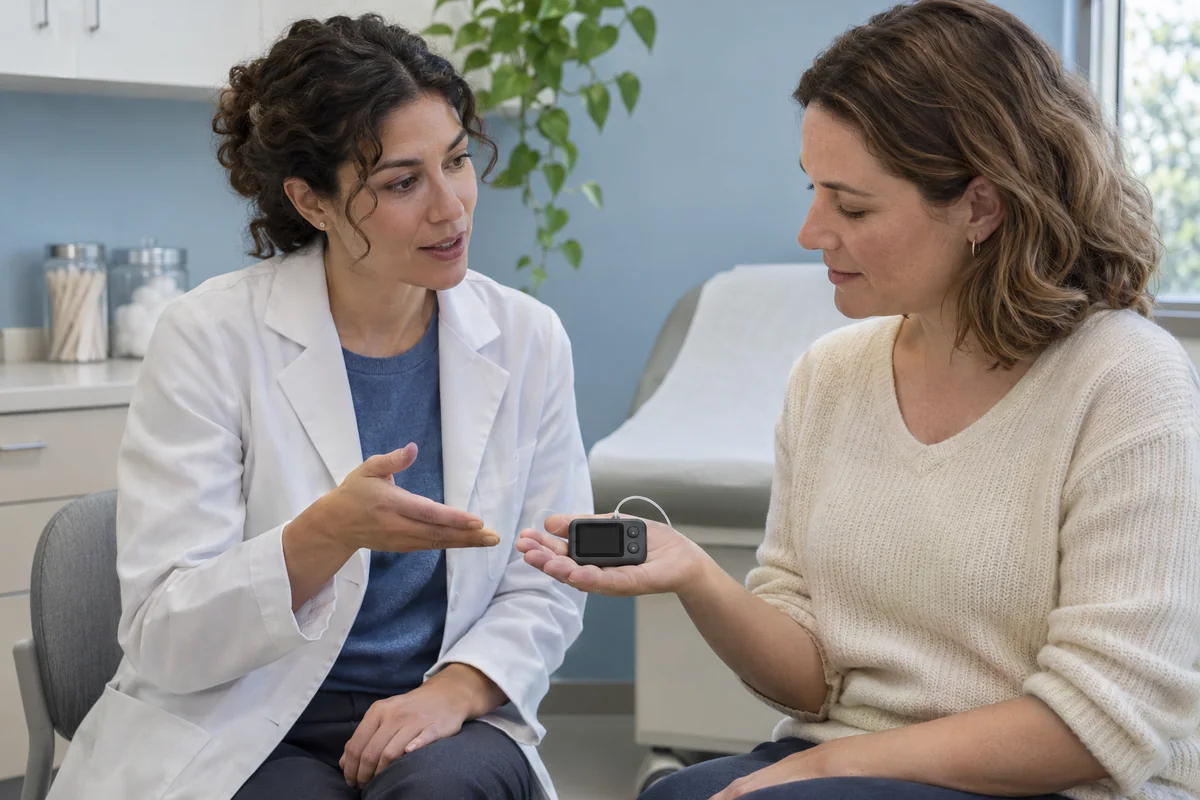
Insulin pump for diabetes: how it works and what to consider
Learn how a pump delivers insulin, how it differs from a glucose sensor and what to plan if insulin delivery stops.
5 min de lectura
Publicado: 31 de agosto de 2026 · Actualizado: 29 de septiembre de 2026
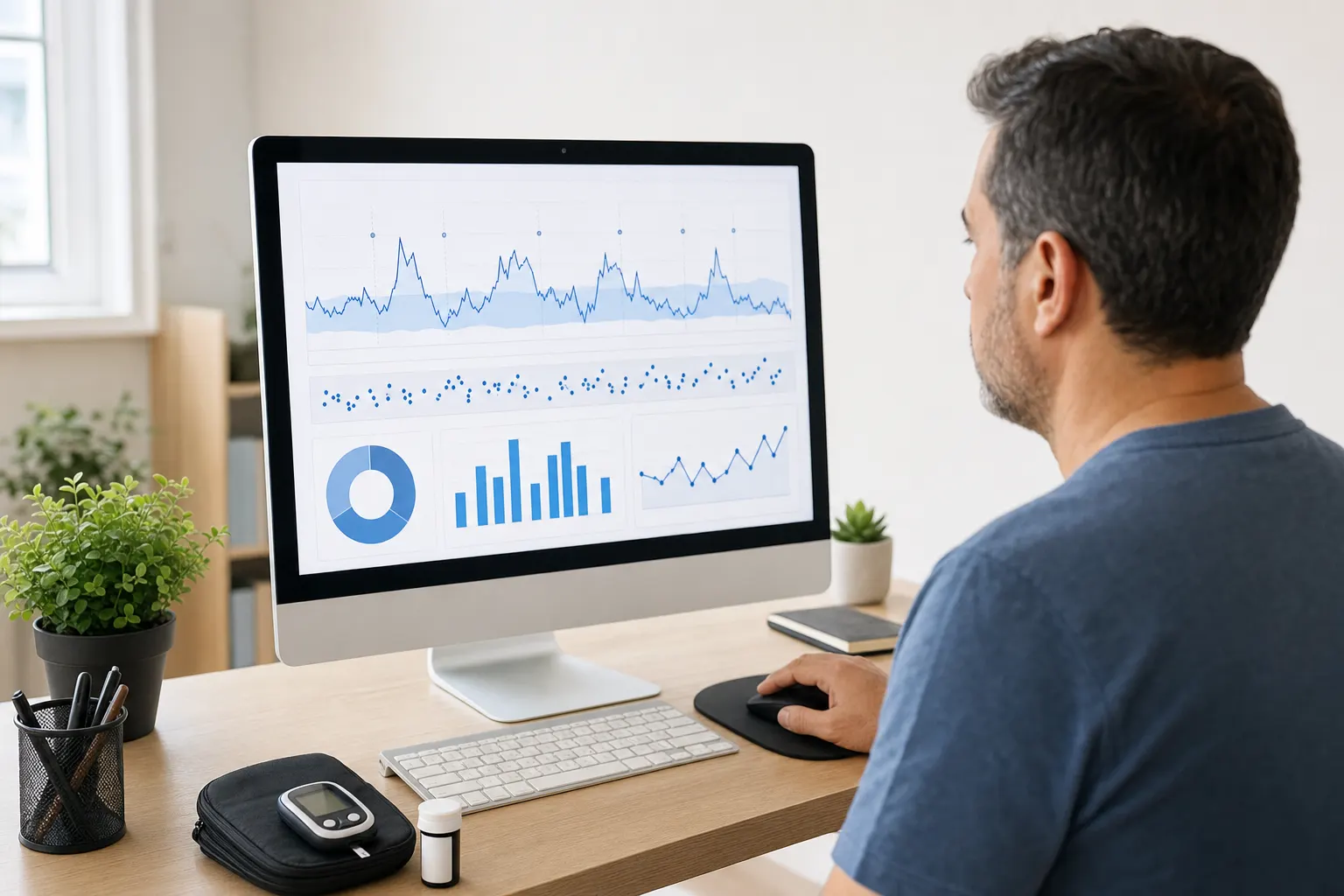
Diabetes: How to Create a Practical Log for Glucose Monitoring
Learn how to set up a practical log for monitoring blood glucose, making diabetes management easier and promoting healthy habits.
5 min de lectura
Publicado: 10 de julio de 2026 · Actualizado: 10 de julio de 2026
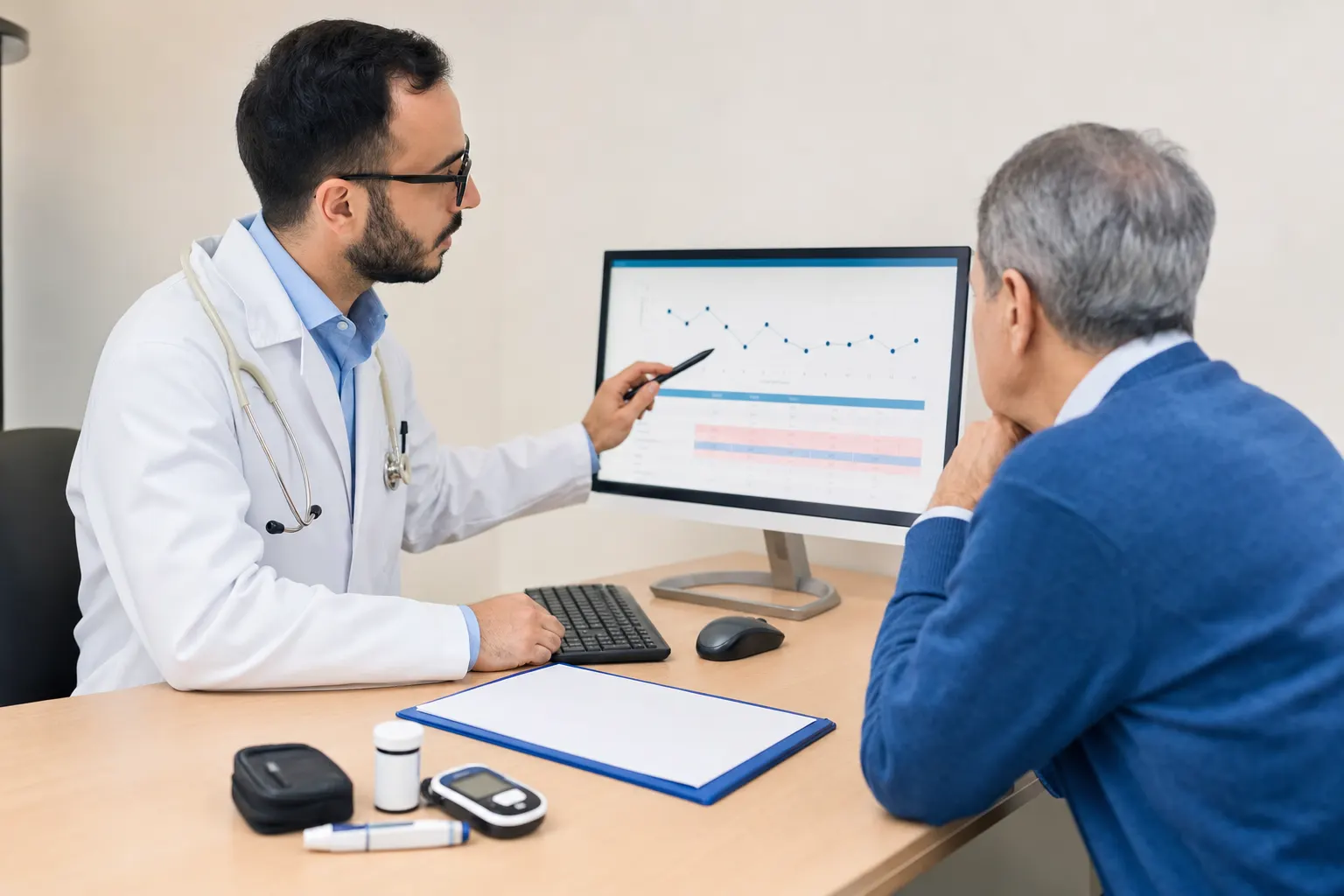
Interpreting Glucose Test Results: What You Need to Know and How to Act
A practical guide to understanding blood glucose test results, their meaning, and how to manage them in the context of diabetes, including specific recommendations for patients in Bogotá.
5 min de lectura
Publicado: 27 de octubre de 2026 · Actualizado: 27 de octubre de 2026
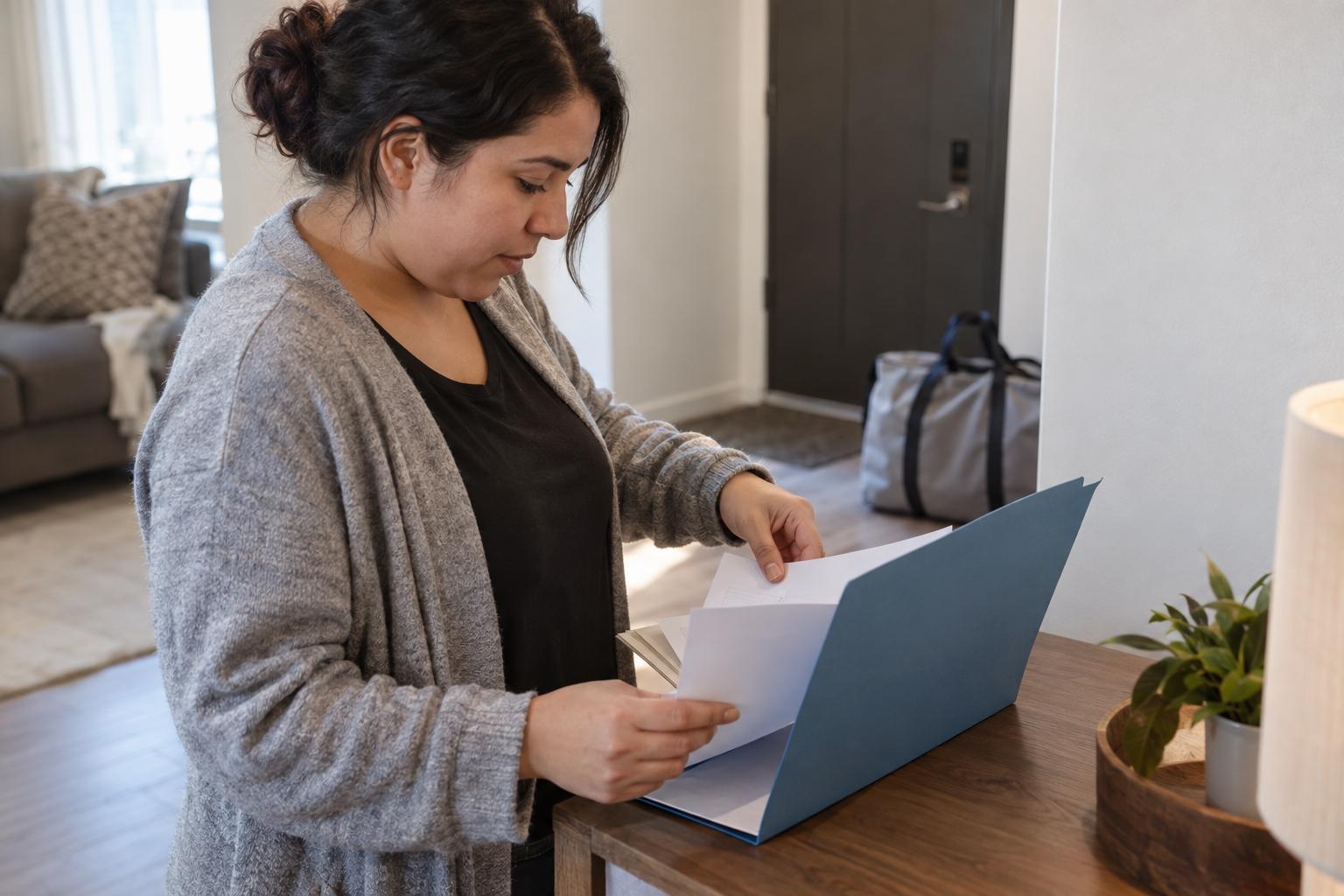
Going Home After Giving Birth with Diabetes: Connecting Your Hospital Plan with Follow-Up Care
What to confirm before discharge if you have type 1 or type 2 diabetes: who will continue your care, which documents to keep, and how to prepare for your first follow-up visit.
6 min de lectura
Publicado: 4 de octubre de 2026 · Actualizado: 4 de octubre de 2026
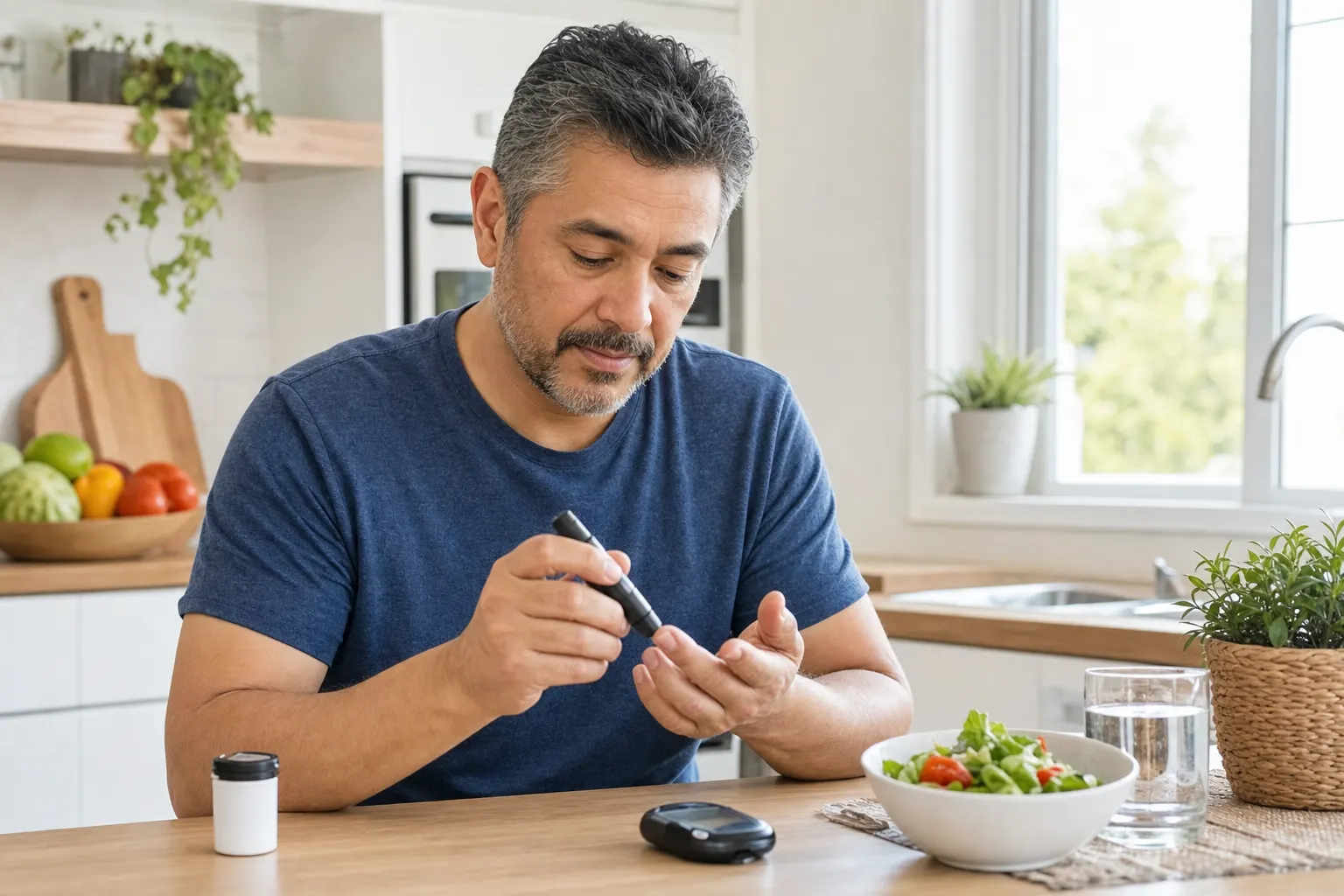
Everyday Strategies to Minimize Complications in Diabetes
Discover practical and effective strategies to prevent complications in diabetes and improve your quality of life in Bogotá.
5 min de lectura
Publicado: 29 de septiembre de 2026 · Actualizado: 29 de septiembre de 2026
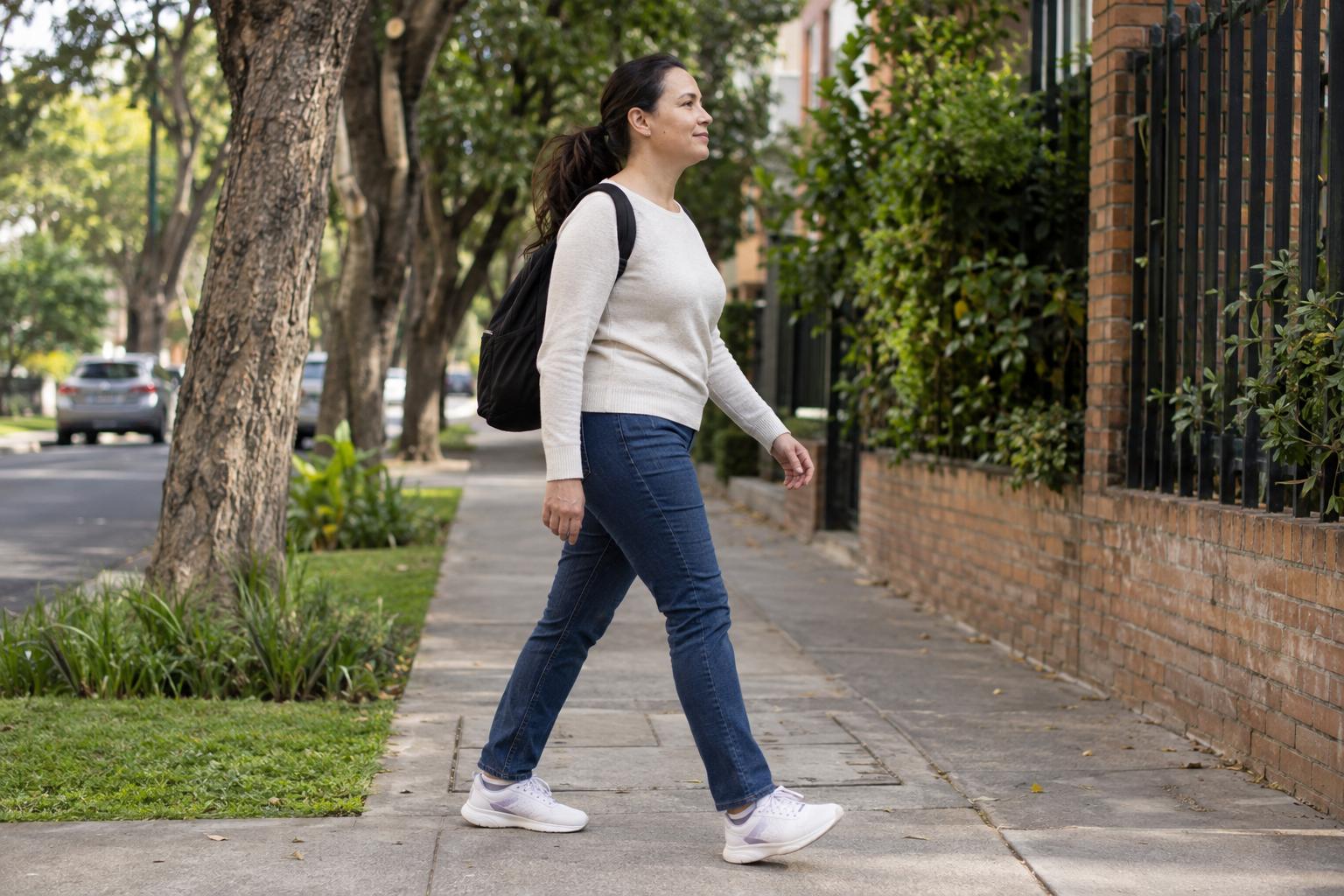
Type 2 Diabetes Prevention: Which Risk Factors Can and Can’t Change
Learn which type 2 diabetes risk factors can be addressed and which cannot be changed. It may be possible to reduce risk, but this does not guarantee that the disease can be prevented.