Educational article
Perimenopause fatigue: sleep and other possible causes

Educational content. It does not replace an individual medical assessment and should not be used for self-medication.

How sleep can be affected
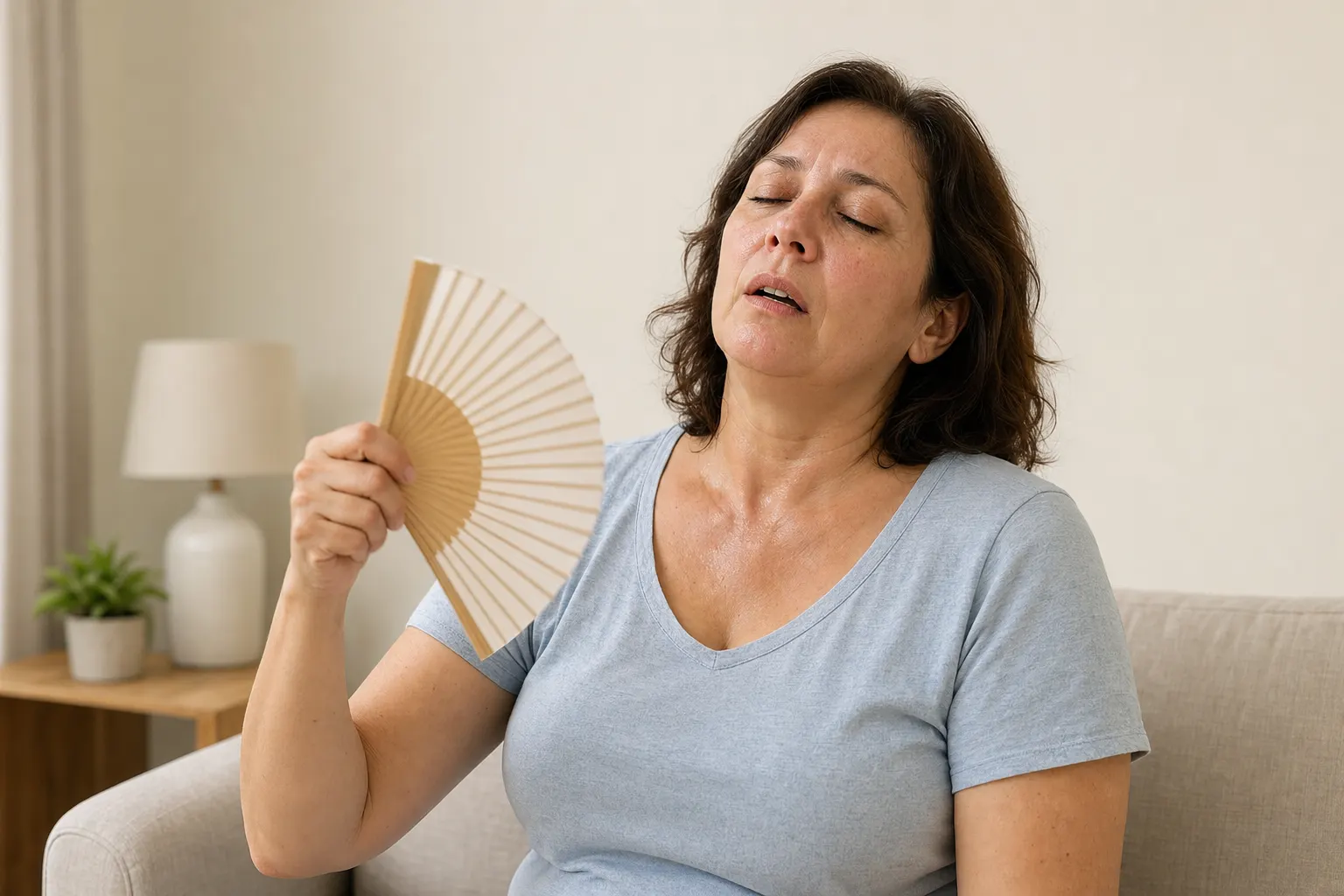
Hot flashes and sleep difficulties can occur during the menopause transition. Poor sleep can contribute to daytime tiredness, although it does not explain every case.
What to track
Note when fatigue began, how you sleep and whether you have hot flashes, menstrual changes or other symptoms. Bring a list of medicines and supplements.
What to discuss at a visit
Your clinician considers symptoms, medical history and other possible causes of fatigue. Additional evaluation may help in some cases. Age alone cannot establish the cause.
When to seek help
Ask for an appointment if fatigue persists or affects daily life. Seek urgent care if it occurs with chest pain, breathing difficulty or fainting.
When to seek medical care
If symptoms persist, test results are abnormal, or you have questions about medication, arrange an individual assessment. Do not change treatment or doses without medical guidance.
Frequently asked questions
Is fatigue always due to perimenopause?
No. It can have several causes that warrant evaluation.
Can hot flashes interrupt sleep?
Yes. Nighttime hot flashes can disturb sleep.
References
- The Menopause Years · ACOG
Does this topic resonate with you?
Every case is different. Book a consultation to review your history, test results and goals with a personalized plan.
More articles about Menopause

5 min de lectura
Publicado: 9 de octubre de 2026 · Actualizado: 16 de noviembre de 2026
When does perimenopause start? Changes and health checkups
Learn when perimenopause commonly starts, how periods can change and which health checkups to discuss before and after menopause.
3 min de lectura
Publicado: 16 de noviembre de 2026 · Actualizado: 16 de noviembre de 2026
When to consider hormone therapy for menopause
Which symptoms and health history can guide a conversation about hormone therapy.

5 min de lectura
Publicado: 4 de noviembre de 2026 · Actualizado: 4 de noviembre de 2026
What Age Did Menopause Occur in Your Family? A Useful Detail to Discuss
The approximate age when close relatives had their last menstrual period can provide context, but it does not predict when menopause will occur for an individual. Learn what information to note and how to interpret it alongside your

5 min de lectura
Publicado: 5 de octubre de 2026 · Actualizado: 5 de octubre de 2026
Common Mistakes When Preparing for Menopause Diagnostic Exams and How to Avoid Them
Discover the most common mistakes women make when preparing for menopause diagnostic exams and how to avoid them to ensure accurate and reliable results.

5 min de lectura
Publicado: 29 de septiembre de 2026 · Actualizado: 29 de septiembre de 2026
Essential Checkups for Early Detection of Complications in Menopause
Learn about the importance of health checkups during menopause to detect complications early.
5 min de lectura
Publicado: 27 de septiembre de 2026 · Actualizado: 27 de septiembre de 2026
Menopause: Debunking Common Misinterpretations of Symptoms
Explore common misinterpretations of menopause symptoms and how to appropriately address them.