Educational article
Everyday Pantry and Cooking: A Flexible Foundation for Managing Cholesterol and Triglycerides

Educational content. It does not replace an individual medical assessment and should not be used for self-medication.
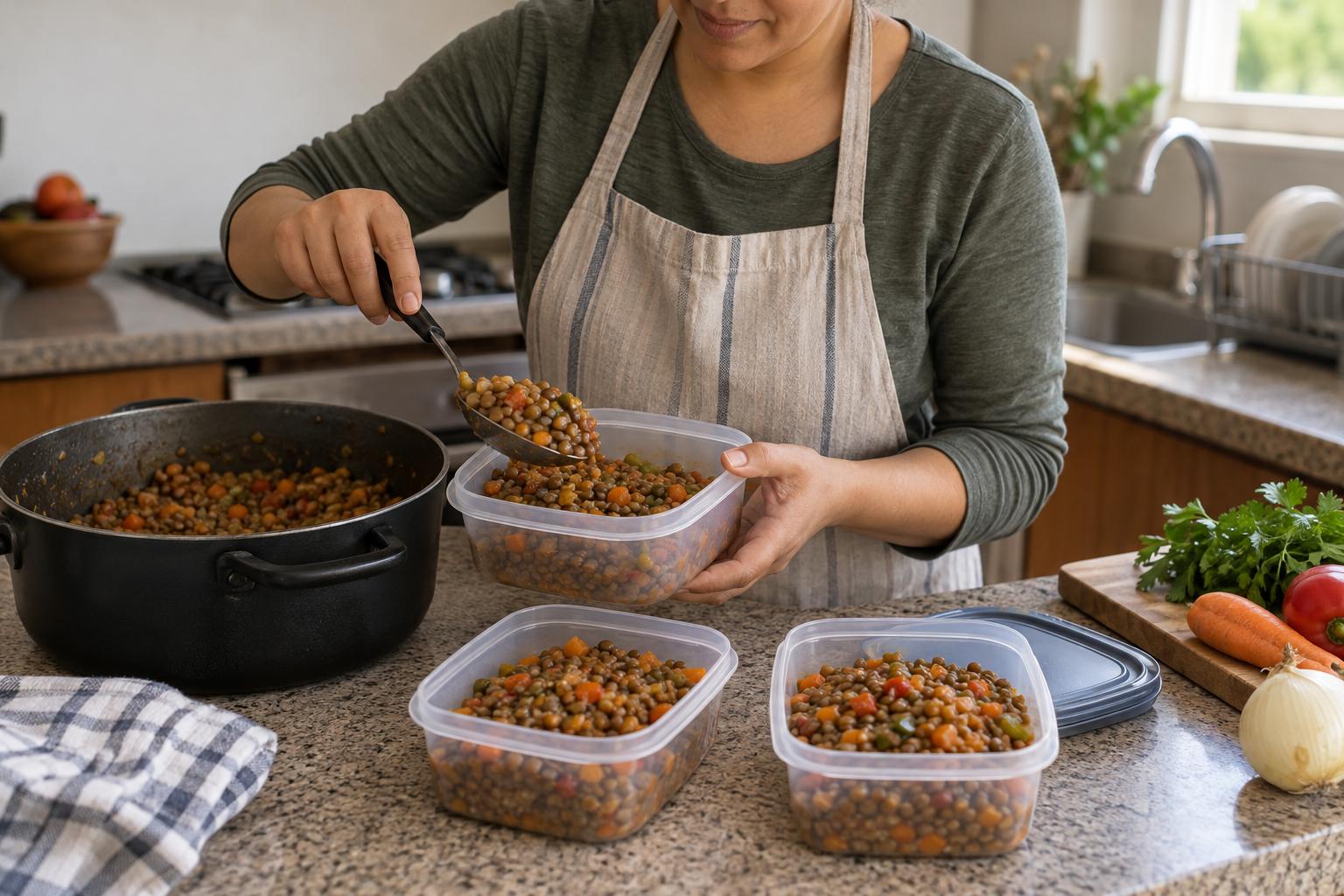
Does managing lipids require a special pantry?
No. Some practical options can make it easier to follow an eating pattern that supports cardiovascular health, but there is no need to buy special products or follow an extreme diet. Plan meals around your budget, time, cooking skills, and the preferences of the people eating at home.
Myth: You have to change everything at once
Small, sustainable changes may be easier to manage than overhauling your entire kitchen. Start by identifying the foods you already use and the ingredients that could help you put meals together with less effort. Legumes, oats, fruits, vegetables, and whole grains provide fiber and can be part of everyday meals; choices depend on what is available and on individual needs.
How can you put together a flexible pantry?
Think in categories, not in terms of a required shopping list. To include fiber, consider dried or canned legumes, oats, brown rice or other grains, as well as fresh, frozen, or canned fruits and vegetables. Beans, lentils, eggs, fish, chicken, and other familiar options can provide protein. Vegetable oils, avocado, seeds, and nuts provide unsaturated fats and can be chosen according to availability and preferences. You do not need to have everything on hand at once or buy a specific brand.
Myth: Every meal needs a different recipe
A basic preparation can be used in several ways. Cook beans or lentils for one meal and set some aside to combine later with rice, vegetables, eggs, or another familiar side. Cooked vegetables can also be added to a soup or mixed with grains. Reusing food does not mean serving exactly the same dish: you can change the side or how it is presented.
What simple preparations can help when time is short?
You can wash and store some vegetables, cook a practical amount of a grain or legume, or prepare options that require little additional work. Frozen or canned foods can also be convenient; check the label if you need to know the ingredients or nutritional information. A pot of legumes, prepared vegetables, or a quick combination of what you already have can take care of more than one meal.
Myth: A healthy shopping list is the same for every family
Grocery shopping depends on the number of people, storage space, access to food, budget, and customary eating habits. In Colombia, some families may start with familiar meals featuring beans or lentils and add ingredients available in their area. A list is a guide, not a requirement: every household may have a different starting point.
Do you have to keep track of every ingredient?
Not necessarily. Planning is meant to make sustainable choices easier, not to monitor every food or create guilt. A flexible structure can include simple meals, shared preparations, and gradual adjustments. An eating pattern that fits daily life is often easier to maintain than a rigid plan.
When to seek professional guidance
Decisions may depend on cholesterol and triglyceride levels, other health conditions, and prescribed treatment. If you have diabetes, kidney disease, allergies, specific nutritional needs, or questions about organizing meals alongside your treatment, consult your health care team or a nutrition professional. Do not start supplements or change a treatment on your own. This content is educational and does not replace an individual evaluation.
When to seek medical care
If symptoms persist, test results are abnormal, or you have questions about medication, arrange an individual assessment. Do not change treatment or doses without medical guidance.
Frequently asked questions
Do I have to buy different foods for the whole family?
Not always. You can start with familiar foods and add versatile options according to availability, preferences, and each household member’s needs.
Can canned legumes be used for a quick meal?
They can be a convenient option. Check the label if you need to know the ingredients or nutritional information, and consult your health care team if you have specific restrictions.
Does this approach replace treatment for cholesterol or triglycerides?
No. Eating habits are one part of care, but the plan may include other measures or treatment. Do not stop or change medications without speaking with the professional who prescribed them.
Does this topic resonate with you?
Every case is different. Book a consultation to review your history, test results and goals with a personalized plan.
More articles about Cardiometabolic health and lipids

5 min de lectura
Publicado: 10 de noviembre de 2026 · Actualizado: 10 de noviembre de 2026
Swollen Ankles at the End of the Day: Clues Not to Blame on Cholesterol
High cholesterol does not usually cause visible ankle swelling. Learn about possible causes of edema, what signs to watch for, and when to seek medical care.

5 min de lectura
Publicado: 31 de octubre de 2026 · Actualizado: 31 de octubre de 2026
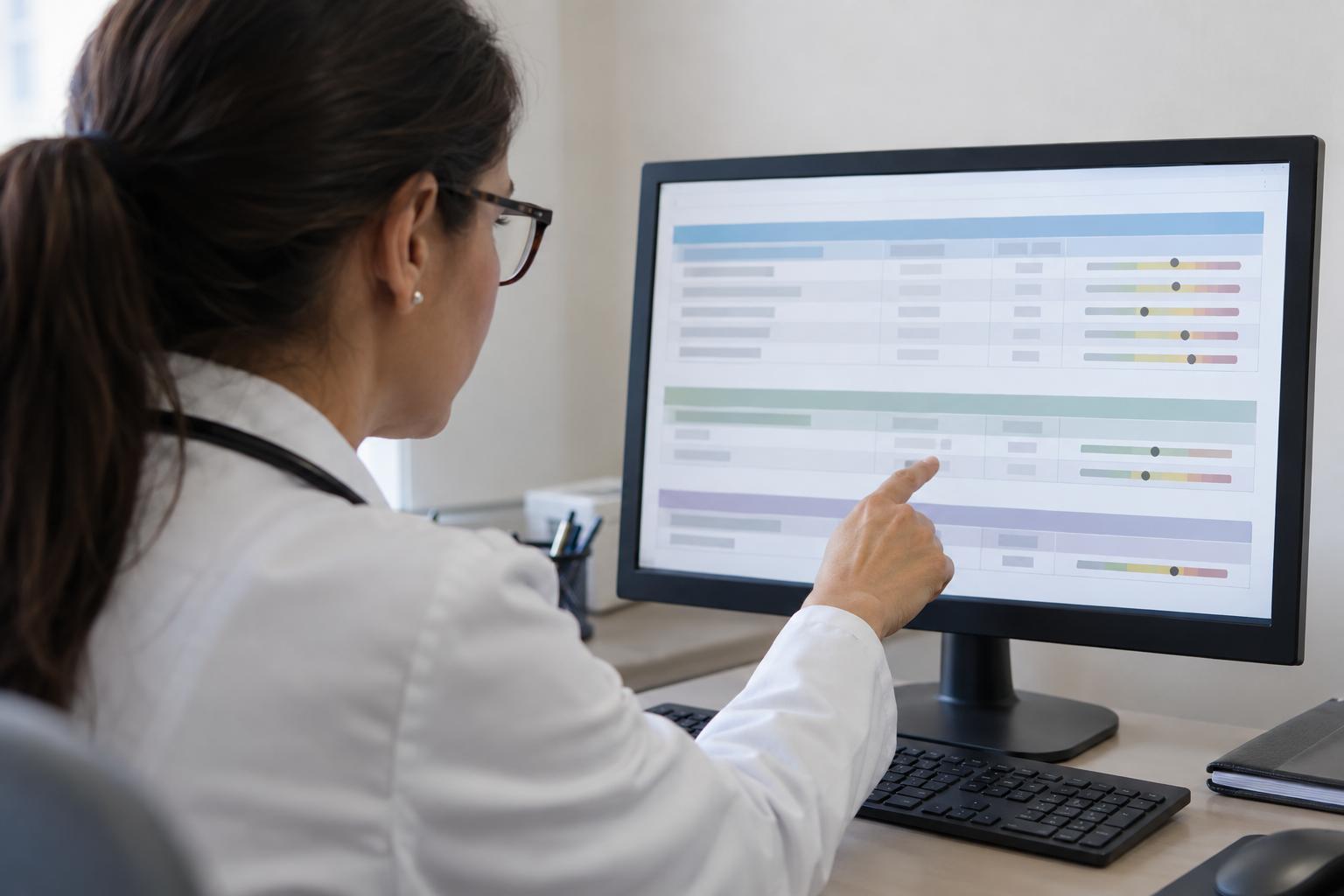
It’s Not All About Diet: Everyday and Medical Factors That Also Affect Lipids
Diet is not the only relevant factor when interpreting a lipid panel. Learn which medications, health conditions, tobacco use, and sleep-related factors are worth mentioning during a review, and why they do not by themselves identify the cause of an abnormal result.
5 min de lectura
Publicado: 28 de octubre de 2026 · Actualizado: 28 de octubre de 2026
Beyond Standard Cholesterol Tests: When to Discuss ApoB and Lipoprotein(a)
ApoB and lipoprotein(a) may provide additional information alongside a lipid panel in some situations. Learn what they measure, when testing might be considered, and how results are interpreted together with your medical history.

6 min de lectura
Publicado: 25 de octubre de 2026 · Actualizado: 25 de octubre de 2026
High Cholesterol from a Young Age or Across Generations: When to Suspect a Familial Cause
Learn which family history, ages, and lipid panel results may prompt an evaluation for a possible hereditary cause of high cholesterol, and why no single finding confirms a diagnosis.

5 min de lectura
Publicado: 19 de octubre de 2026 · Actualizado: 19 de octubre de 2026
Long Hours of Sitting: Movement Breaks to Support Heart and Lipid Health
Simple, safe ideas for breaking up long periods of sitting at work. Movement breaks complement—but do not replace—regular physical activity or your dyslipidemia care plan.
5 min de lectura
Publicado: 4 de octubre de 2026 · Actualizado: 4 de octubre de 2026
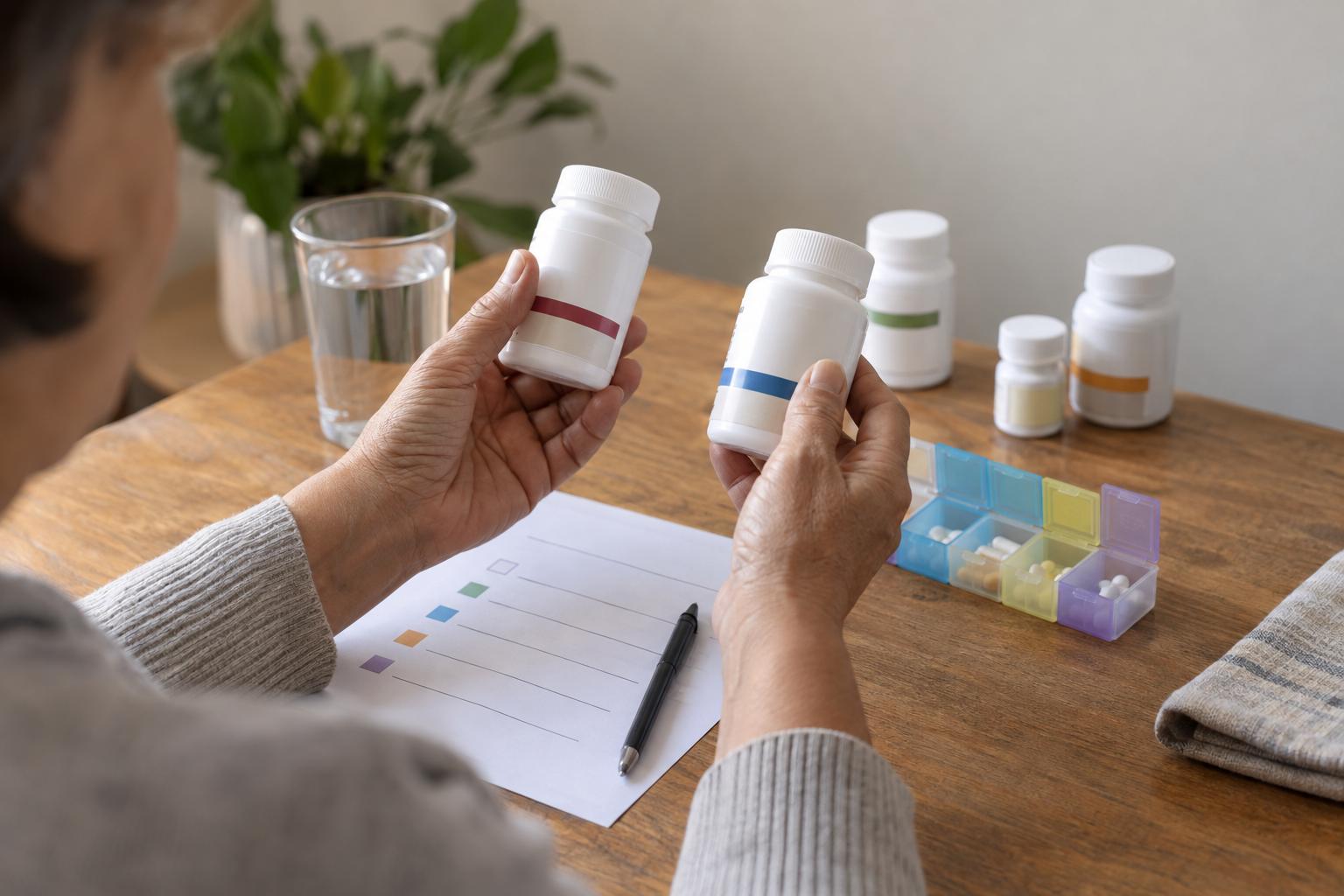
Cholesterol Medication: Timing, Dose, and Combination Mistakes You Can Prevent
What to do if you miss or may have repeated a dose, how to check the prescribed schedule, and when to ask for advice before combining or changing cholesterol medications.