 Message on WhatsApp
Where is the pcos appointment?
Appointments take place at Endomédicos in El Lago, Chapinero, Bogotá, Colombia.

PCOS affects people differently. The appointment considers menstrual cycles, symptoms, metabolic health and your goals.
Reasons to consult
Your appointment can address diagnosis, treatment decisions and follow-up for common endocrine and metabolic concerns.
The appointment reviews symptoms, medical history, current medication and available test results. When needed, targeted tests and a realistic follow-up plan are discussed.
Appointments take place at Endomédicos in El Lago, Chapinero, Bogotá, Colombia.
Bring any relevant results and a list of current medications. If you do not have tests yet, the doctor will explain which ones are useful for your situation.
Endocrinology assessment in Bogotá for hormonal symptoms and abnormal laboratory results.
Medical assessment for weight management and metabolic risk in Bogotá.
Individual diabetes care in Bogotá, with guidance on glucose monitoring, medication and long-term health.
Patient education articles about pcos from Endomédicos.

5 min de lectura
Publicado: 12 de noviembre de 2026 · Actualizado: 12 de noviembre de 2026
Polycystic ovary syndrome can affect more than one person in a family. Knowing about a family history provides context, but it does not confirm a diagnosis or predict who will have PCOS.

5 min de lectura
Publicado: 9 de noviembre de 2026 · Actualizado: 9 de noviembre de 2026
Organize treatments, results, and questions before an endocrinology follow-up, and clarify who will follow up on each aspect of your care.

5 min de lectura
Publicado: 8 de noviembre de 2026 · Actualizado: 8 de noviembre de 2026
An alert on a hormone test does not, by itself, confirm a disease. Learn what factors are considered when interpreting the result and when to review it with the person who ordered the test.

6 min de lectura
Publicado: 4 de noviembre de 2026 · Actualizado: 4 de noviembre de 2026
Learn what family information to gather and how clinicians assess whether an evaluation or genetic test may be appropriate when a family member has a confirmed hereditary endocrine syndrome.

5 min de lectura
Publicado: 1 de noviembre de 2026 · Actualizado: 1 de noviembre de 2026
How to assess whether a change calls for immediate care, prompt clinical guidance, or can be discussed at a scheduled follow-up—without attributing isolated symptoms to a hormonal complication.

6 min de lectura
Publicado: 30 de octubre de 2026 · Actualizado: 30 de octubre de 2026
Unpredictable cycles and certain persistent changes in the skin or hair may prompt an evaluation, but they do not confirm PCOS. Learn what information is considered and why other causes may be reviewed.
5 min de lectura
Publicado: 29 de octubre de 2026 · Actualizado: 29 de octubre de 2026
The different forms of a hormone therapy are not always interchangeable. Learn what practical and clinical factors to review with your health care professional before starting, changing, or continuing a regimen.

6 min de lectura
Publicado: 29 de octubre de 2026 · Actualizado: 29 de octubre de 2026
Learn how symptoms, medical history, and certain health results may guide the evaluation and follow-up of polycystic ovary syndrome (PCOS), without reducing health to weight.

5 min de lectura
Publicado: 22 de octubre de 2026 · Actualizado: 22 de octubre de 2026
What information to share so a health professional can review possible interactions between hormone therapy, other medications, and supplements before you start or change a product.
5 min de lectura
Publicado: 22 de octubre de 2026 · Actualizado: 22 de octubre de 2026
A significant infection or hospitalization can temporarily affect follow-up for polycystic ovary syndrome. Learn what to ask about appointments, tests, and medications before changing your care plan.

5 min de lectura
Publicado: 20 de octubre de 2026 · Actualizado: 20 de octubre de 2026
A guide for young adults on tracking changes in fatigue, sleep, or the menstrual cycle, considering the context of a new routine, and preparing useful information for a medical evaluation.

5 min de lectura
Publicado: 18 de octubre de 2026 · Actualizado: 18 de octubre de 2026
Ideas for adding everyday movement if you have PCOS, with gradual options suited to your preferences, abilities, and routine.

5 min de lectura
Publicado: 11 de octubre de 2026 · Actualizado: 11 de octubre de 2026
Learn the difference between predisposition, a trigger, and a direct cause—and why a family history or recent change does not, by itself, establish the origin of a hormonal disorder.

5 min de lectura
Publicado: 11 de octubre de 2026 · Actualizado: 11 de octubre de 2026
Learn how insulin resistance may be related to polycystic ovary syndrome (PCOS), why it does not explain every case, and how metabolic assessment is individualized.

5 min de lectura
Publicado: 11 de octubre de 2026 · Actualizado: 11 de octubre de 2026
Discover how to personalize your hormonal treatment in an informed manner, considering key factors and important signs.

5 min de lectura
Publicado: 10 de octubre de 2026 · Actualizado: 10 de octubre de 2026
Learn about signs of deterioration that require urgent care, what information may help your healthcare team, and why you should not change your treatments on your own. An educational guide for patients in Bogotá.

5 min de lectura
Publicado: 10 de octubre de 2026 · Actualizado: 10 de octubre de 2026
A hormone test result that seems inconsistent with your symptoms does not, by itself, confirm an error or a diagnosis. Learn what context your healthcare professional may review and what information to bring to your appointment.
5 min de lectura
Publicado: 10 de octubre de 2026 · Actualizado: 10 de octubre de 2026
Explore the complexity of hormonal diagnosis and the need for multiple tests to achieve accurate results in endocrinology.

7 min de lectura
Publicado: 9 de octubre de 2026 · Actualizado: 9 de octubre de 2026
Explore hormonal treatment options, what to expect, and how to choose the best option for you with clear and precise information.

5 min de lectura
Publicado: 8 de octubre de 2026 · Actualizado: 8 de octubre de 2026
Discover everyday practices to prevent hormonal complications and maintain a healthy balance in your life.
5 min de lectura
Publicado: 7 de octubre de 2026 · Actualizado: 7 de octubre de 2026
Discover how to effectively prepare for your hormone tests and optimize your health with these practical and specific tips.

6 min de lectura
Publicado: 6 de octubre de 2026 · Actualizado: 6 de octubre de 2026
Discover specific hormonal symptoms and learn to recognize warning signs that require specialized medical attention.

5 min de lectura
Publicado: 1 de octubre de 2026 · Actualizado: 1 de octubre de 2026
Explore how hormones affect your daily life and learn to recognize symptoms that may indicate changes in your hormonal balance.
5 min de lectura
Publicado: 30 de septiembre de 2026 · Actualizado: 30 de septiembre de 2026
Analyzes the factors affecting the effectiveness of hormonal treatment and the importance of follow-up at each stage of the process.

5 min de lectura
Publicado: 29 de septiembre de 2026 · Actualizado: 29 de septiembre de 2026
Discover how to establish daily habits that effectively and sustainably support the monitoring of your hormonal health.

6 min de lectura
Publicado: 23 de septiembre de 2026 · Actualizado: 23 de septiembre de 2026
Discover common mistakes in the treatment of polycystic ovary syndrome and learn how to implement effective management strategies.

5 min de lectura
Publicado: 22 de septiembre de 2026 · Actualizado: 22 de septiembre de 2026
Explore the less common symptoms of polycystic ovary syndrome and when it is crucial to seek medical care.

5 min de lectura
Publicado: 21 de septiembre de 2026 · Actualizado: 21 de septiembre de 2026
Keep track of when changes occur, how long they last, and how they affect your daily life. A record provides context for your appointment, but it cannot determine the cause on its own.

6 min de lectura
Publicado: 15 de septiembre de 2026 · Actualizado: 15 de septiembre de 2026
Explore the most common hormonal complications such as hypothyroidism and hyperthyroidism, and the signs indicating the need for medical attention.

5 min de lectura
Publicado: 14 de septiembre de 2026 · Actualizado: 14 de septiembre de 2026
Discover effective and practical strategies to prevent complications of polycystic ovary syndrome in your daily life, focusing on women's health.

5 min de lectura
Publicado: 13 de septiembre de 2026 · Actualizado: 13 de septiembre de 2026
Identify the critical symptoms of polycystic ovary syndrome that indicate the need for medical attention and how they can impact your health.

5 min de lectura
Publicado: 11 de septiembre de 2026 · Actualizado: 11 de septiembre de 2026
Learn about the symptoms of polycystic ovary syndrome and when it is important to seek medical care.

8 min de lectura
Publicado: 8 de septiembre de 2026 · Actualizado: 8 de septiembre de 2026
This article explores the risk factors associated with complications in polycystic ovary syndrome, focusing on prevention and management of specific symptoms.
8 min de lectura
Publicado: 7 de septiembre de 2026 · Actualizado: 7 de septiembre de 2026
Explore the benefits and limits of polycystic ovary syndrome treatment, including a comprehensive approach to its management.
6 min de lectura
Publicado: 5 de septiembre de 2026 · Actualizado: 5 de septiembre de 2026
Discover the essential factors in diagnosing hormonal imbalances, including medical history and relevant data that facilitate understanding endocrine conditions.

7 min de lectura
Publicado: 4 de septiembre de 2026 · Actualizado: 29 de septiembre de 2026
Discover sustainable and healthy eating habits for managing polycystic ovary syndrome in Bogotá, avoiding extreme diets and focusing on balanced nutrition.

5 min de lectura
Publicado: 1 de septiembre de 2026 · Actualizado: 1 de septiembre de 2026
Learn about the critical complications of polycystic ovary syndrome and when it is necessary to seek immediate medical care.

5 min de lectura
Publicado: 29 de agosto de 2026 · Actualizado: 29 de agosto de 2026
Ideas for fitting in brief activity and protecting your rest on workday mornings without changing your medication instructions.
5 min de lectura
Publicado: 26 de agosto de 2026 · Actualizado: 26 de agosto de 2026
Analyzes the determining factors in diagnosing polycystic ovary syndrome, focusing on clinical history and relevant hormonal tests.

5 min de lectura
Publicado: 17 de agosto de 2026 · Actualizado: 17 de agosto de 2026
Family history, medications, and persistent changes provide context, but do not by themselves confirm a hormonal disorder. Learn what information to gather and when to talk with a healthcare professional.
5 min de lectura
Publicado: 17 de agosto de 2026 · Actualizado: 17 de agosto de 2026
Learn how symptoms, their duration, medical history, and medications guide an evaluation, and why several tests are not always needed at once.
5 min de lectura
Publicado: 17 de agosto de 2026 · Actualizado: 11 de septiembre de 2026
Discover the warning signs of polycystic ovary syndrome, such as acne and hirsutism, that indicate the need for timely medical consultation.

5 min de lectura
Publicado: 13 de agosto de 2026 · Actualizado: 13 de agosto de 2026
A practical guide with essential questions to address polycystic ovary syndrome during your medical consultation.

5 min de lectura
Publicado: 13 de agosto de 2026 · Actualizado: 11 de septiembre de 2026
Learn how to recognize the signs and symptoms of polycystic ovary syndrome and the concrete steps you can take to improve your health and well-being.

5 min de lectura
Publicado: 9 de agosto de 2026 · Actualizado: 9 de agosto de 2026
Learn to describe changes in symptoms and energy without attributing every variation to hormones, and recognize when it may be helpful to seek clinical guidance.

5 min de lectura
Publicado: 9 de agosto de 2026 · Actualizado: 9 de agosto de 2026
Discover essential checkups and healthy habits to manage polycystic ovary syndrome and prevent serious complications. Learn about symptoms, diagnosis, and medical follow-up.

5 min de lectura
Publicado: 4 de agosto de 2026 · Actualizado: 4 de agosto de 2026
Practical ideas for choosing meals at restaurants, cafés, and gatherings if you have polycystic ovary syndrome, without rigid rules or guilt.

6 min de lectura
Publicado: 2 de agosto de 2026 · Actualizado: 2 de agosto de 2026
Learn what everyday changes to watch for, how to keep a brief record, and when to seek an evaluation to review possible causes, including hormonal ones.

5 min de lectura
Publicado: 20 de julio de 2026 · Actualizado: 20 de julio de 2026
Persistent changes in your menstrual cycle, energy, sensitivity to cold or heat, and skin can have various causes. Learn which patterns may be worth discussing during a medical evaluation in Bogotá and why tests depend on the individual case.

5 min de lectura
Publicado: 18 de julio de 2026 · Actualizado: 18 de julio de 2026
Identify polycystic ovary symptoms that require immediate medical attention. Learn to recognize critical signs and when it is necessary to consult an endocrinologist.

5 min de lectura
Publicado: 15 de julio de 2026 · Actualizado: 15 de julio de 2026
If you have polycystic ovary syndrome and a medication has changed, organize the dates of the change, the treatments you use, and any changes in bleeding or symptoms before your next appointment. A guide to what to share

5 min de lectura
Publicado: 15 de julio de 2026 · Actualizado: 15 de julio de 2026
The time it takes to notice changes with hormone therapy varies depending on the reason for treatment and the therapy used. Learn what may be reviewed and why there is no universal timeline.

5 min de lectura
Publicado: 12 de julio de 2026 · Actualizado: 12 de julio de 2026
Organize information about your current method, bleeding, symptoms, medical history, and medications to discuss a possible birth control change and follow-up steps.
5 min de lectura
Publicado: 10 de julio de 2026 · Actualizado: 10 de julio de 2026
Explore the importance of monitoring and follow-up in polycystic ovary syndrome to prevent complications and improve quality of life.
5 min de lectura
Publicado: 10 de julio de 2026 · Actualizado: 10 de julio de 2026
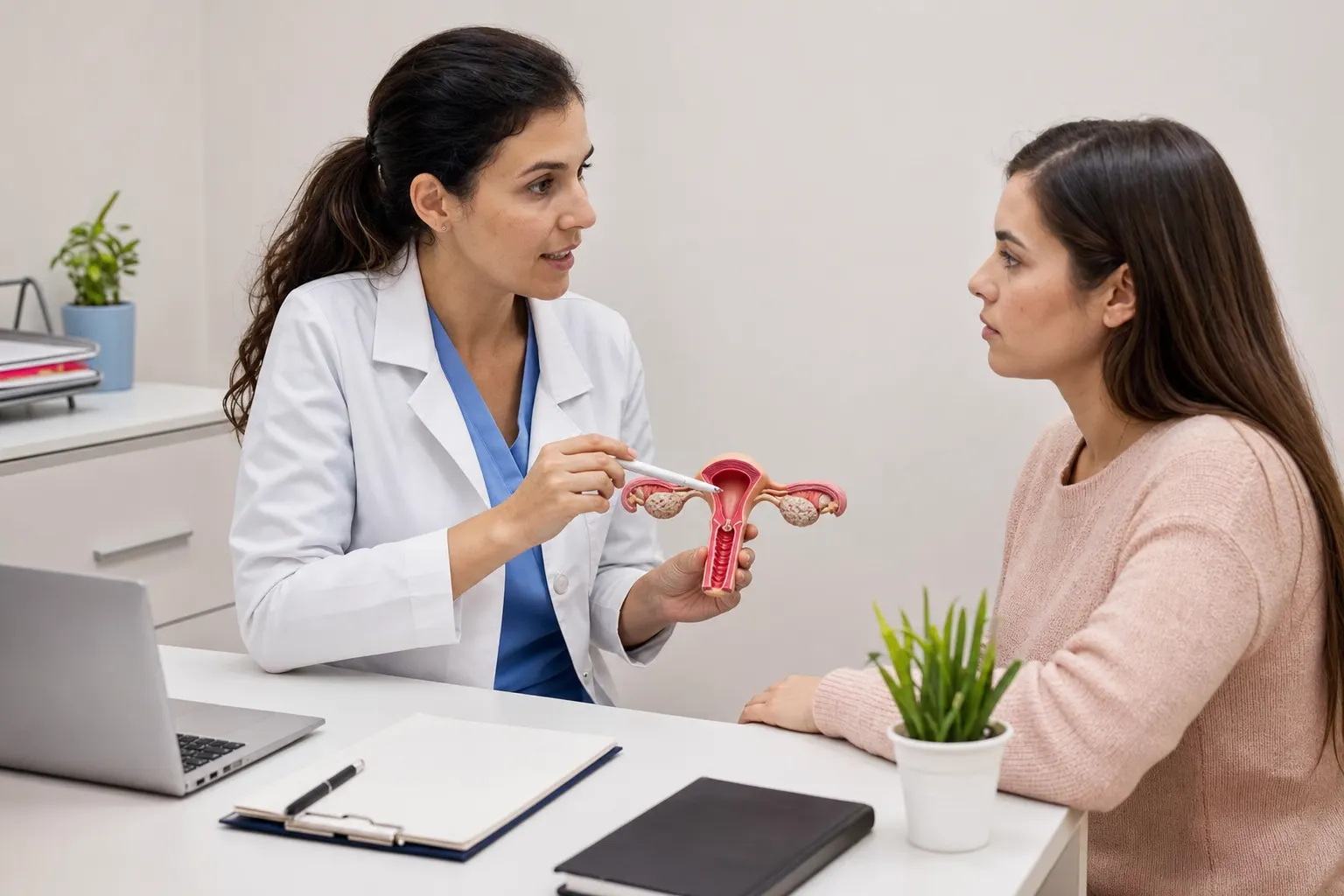
Detailed guide of questions to discuss the diagnosis and management of Polycystic Ovary Syndrome during your medical consultation.
5 min de lectura
Publicado: 10 de julio de 2026 · Actualizado: 10 de julio de 2026
Discover how healthy habits can improve the management of polycystic ovary syndrome, focusing on nutrition, exercise, and sleep.

5 min de lectura
Publicado: 10 de julio de 2026 · Actualizado: 10 de julio de 2026
Learn the essential questions to ask during your consultation about polycystic ovary syndrome for better management of your health.

5 min de lectura
Publicado: 8 de julio de 2026 · Actualizado: 8 de julio de 2026
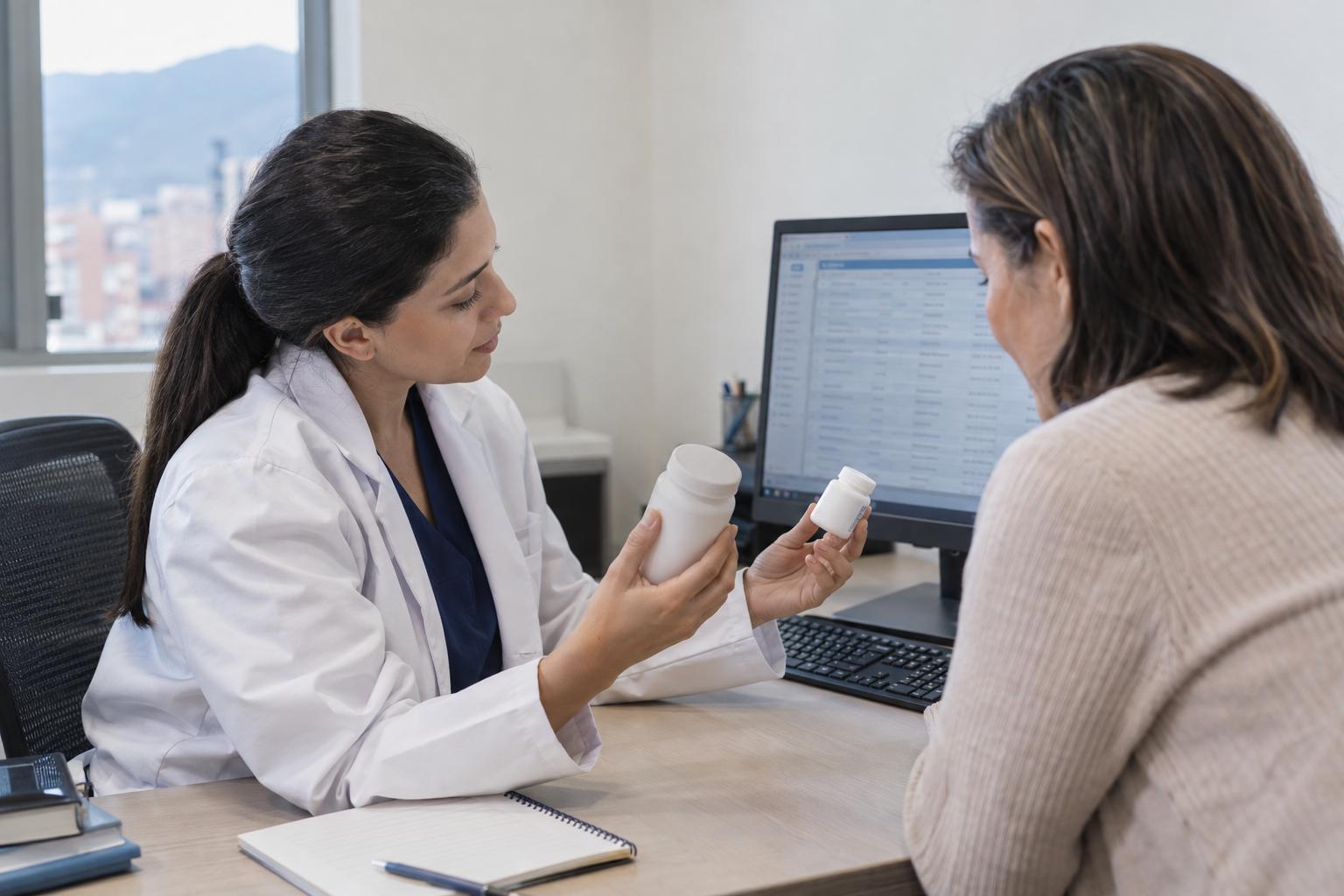
How to summarize your cycle pattern, changes in your skin or hair growth, and, if applicable, your reproductive history when discussing a possible PCOS evaluation.
5 min de lectura
Publicado: 6 de julio de 2026 · Actualizado: 6 de julio de 2026
Some medications, supplements, and exposures may influence hormone function or how it is measured. Learn what information to share with a healthcare professional and why a coincidence does not prove a cause.

5 min de lectura
Publicado: 4 de julio de 2026 · Actualizado: 4 de julio de 2026
Ideas for organizing reminders, movement, and rest when your schedule changes, without changing the instructions for a prescribed hormone treatment on your own.

5 min de lectura
Publicado: 2 de julio de 2026 · Actualizado: 2 de julio de 2026
Polycystic ovary syndrome can affect people of different body sizes. Learn what weight can and cannot tell you about PCOS, and why evaluation should consider symptoms and metabolic health.

5 min de lectura
Publicado: 30 de junio de 2026 · Actualizado: 30 de junio de 2026
What information to bring, what to ask about each test, and how to interpret hormone results without drawing conclusions from a single value.

8 min de lectura
Publicado: 21 de junio de 2026 · Actualizado: 21 de junio de 2026
Explore common mistakes in the treatment of polycystic ovary syndrome and how to prevent them to improve your health and well-being.

5 min de lectura
Publicado: 18 de junio de 2026 · Actualizado: 18 de junio de 2026
What to review before traveling if you regularly take a hormonal medication: timing, supply, and documents. Confirm the instructions for your treatment, and do not change your dose on your own.

5 min de lectura
Publicado: 16 de junio de 2026 · Actualizado: 16 de junio de 2026
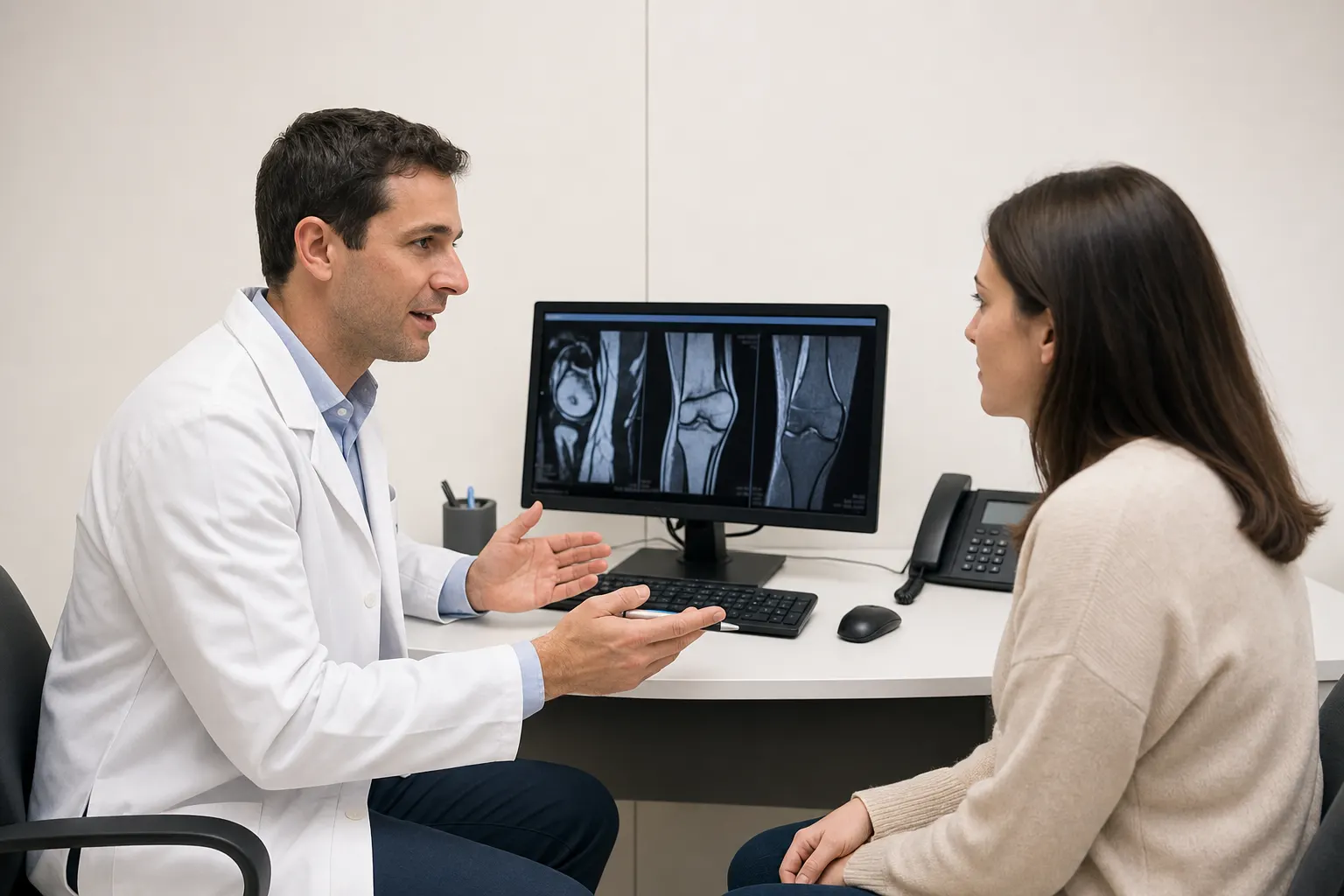
Fatigue, mood changes, sleep disturbances, and weight fluctuations can have many causes. Learn what information to track and when to seek an evaluation, without assuming the cause is hormonal.
5 min de lectura
Publicado: 15 de junio de 2026 · Actualizado: 15 de junio de 2026
Discover effective treatment options for polycystic ovary syndrome and set realistic expectations for its management.

5 min de lectura
Publicado: 10 de junio de 2026 · Actualizado: 10 de junio de 2026
A guide to sleep and polycystic ovary syndrome (PCOS): realistic bedtime habits, signs that may warrant an evaluation, and a simple sleep log. Information for people with PCOS in Bogotá and Colombia.

5 min de lectura
Publicado: 2 de junio de 2026 · Actualizado: 2 de junio de 2026
Polycystic ovary syndrome and the menopausal transition can both be associated with irregular cycles. Learn how to track changes and what information may help you talk with a health care professional.

5 min de lectura
Publicado: 29 de mayo de 2026 · Actualizado: 29 de mayo de 2026
Learn what is known about PCOS predisposition and mechanisms, and why associated factors are not the same as a cause or a reason to blame yourself.

5 min de lectura
Publicado: 25 de mayo de 2026 · Actualizado: 25 de mayo de 2026
A practical guide to coordinating follow-up for a previously diagnosed thyroid condition during pregnancy and after delivery, preparing for checkups, and communicating changes to your care team.

5 min de lectura
Publicado: 19 de mayo de 2026 · Actualizado: 19 de mayo de 2026
Hormones vary with development, biological cycles, and age. Learn to observe changes in context and recognize when it may be helpful to seek a professional evaluation.

5 min de lectura
Publicado: 19 de mayo de 2026 · Actualizado: 19 de mayo de 2026
If you have polycystic ovary syndrome and are considering fasting, review what to discuss with your health care team and how to distinguish voluntary fasting from fasting in preparation for a test.

8 min de lectura
Publicado: 16 de mayo de 2026 · Actualizado: 16 de mayo de 2026
Identify frequent mistakes in the treatment of polycystic ovary syndrome and learn how to prevent them to improve your health.
6 min de lectura
Publicado: 15 de mayo de 2026 · Actualizado: 29 de septiembre de 2026
Key concepts about hormones, common imbalances, and signs to consult an endocrinologist.

5 min de lectura
Publicado: 4 de mayo de 2026 · Actualizado: 4 de mayo de 2026
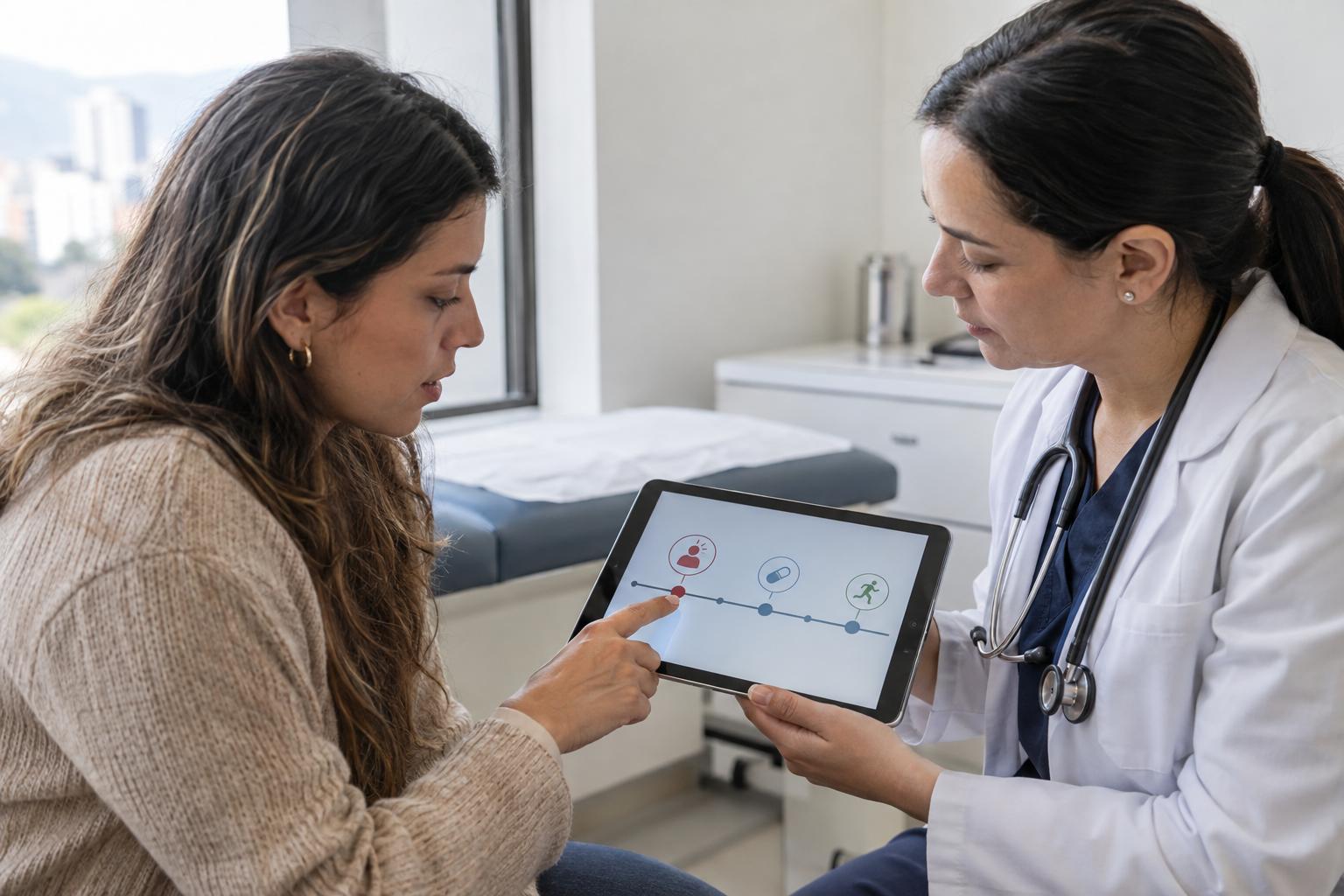
Organize your symptoms, medications, and past hormonal treatments to discuss recent changes at an endocrinology appointment, without assuming their cause.
5 min de lectura
Publicado: 30 de abril de 2026 · Actualizado: 30 de abril de 2026
Did a symptom appear after an infection, a change in routine, or a treatment? Learn how to organize the dates and what information to share at your appointment, without assuming the event caused it or stopping medications on your own.

6 min de lectura
Publicado: 28 de abril de 2026 · Actualizado: 28 de abril de 2026
Irregular periods and acne are common during puberty and do not, by themselves, confirm polycystic ovary syndrome. Learn what factors are evaluated, when follow-up may be useful, and why an ultrasound is not recommended as a diagnostic criterion in adolescents.

5 min de lectura
Publicado: 24 de abril de 2026 · Actualizado: 24 de abril de 2026
Learn what family history may contribute to understanding polycystic ovary syndrome, what information to share during an evaluation, and why family history does not confirm a diagnosis.