Educational article
Observation Is Also a Decision: When to Wait and Monitor Growth and Puberty

Educational content. It does not replace an individual medical assessment and should not be used for self-medication.
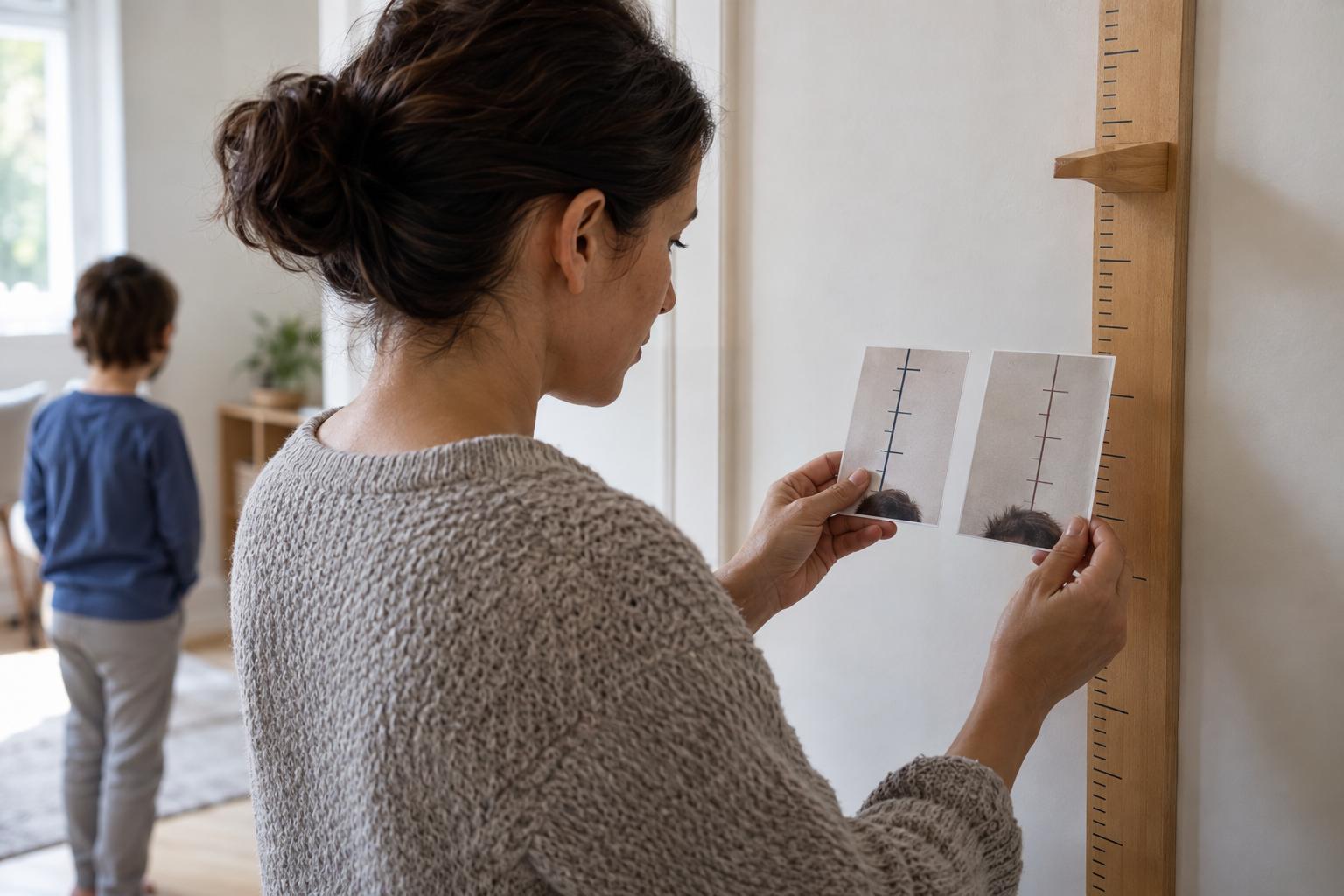
What does planned observation mean?
It means agreeing with the health care team on follow-up to understand how growth or puberty is progressing before deciding whether treatment is needed. It does not mean ignoring the reason for the visit: it starts with an evaluation and sets out when progress will be reviewed and what will be assessed.
Myth: If medication is not started, nothing is being done
Observation can also be a clinical approach. Sometimes a single evaluation is not enough to understand a pattern; comparing measurements and changes over time provides information. Observation does not mean treatment has been ruled out: the approach may be reconsidered based on progress and findings.
Why might waiting before treatment be recommended?
The decision depends on information such as the growth pattern, the timing and progression of puberty, the likely cause, medical history, and evaluation results. There is no one-size-fits-all answer: in some situations, observation is recommended, while in others, further evaluation or treatment without waiting may be appropriate.
What is reviewed at follow-up visits?
Depending on the situation, the team may compare height with previous measurements, assess growth velocity, review pubertal development, and discuss recent changes and medical history. If tests or additional evaluation are needed, the clinician will explain which ones are appropriate and how they are interpreted in the context of the child.
Why is the time between follow-up visits individualized?
The time until the next review depends on the clinical situation and the information needed to assess progress. There is no universal schedule. Confirm with the team when to schedule the next visit and what to do if you notice changes before then.
Myth: Waiting by itself determines final height
Observation does not guarantee that height will increase or decrease, nor can it by itself predict the final outcome. Its purpose is to monitor progress and review decisions when there is enough information. You can ask what will be monitored and when the plan will be reviewed again.
How to organize follow-up at home
Keep any available records with their dates, and bring previous medical history or test results to the visit. In Bogotá and other cities, it may be helpful to gather measurements taken at growth checkups or previous visits to share with the treating team. Avoid comparing measurements taken using different methods as though they were equivalent.
When should you contact the team again?
Contact the treating team if new symptoms appear, you notice rapid changes, or your concern persists—even if the next visit is not soon. There is no single threshold for deciding at home what change is important for every child; ask the clinician whether an earlier evaluation is needed.
A shared decision, not waiting blindly
Before the visit ends, you can ask what will be monitored, when it will be reviewed, and how to contact the team if questions arise. A recommendation to observe should be linked to an evaluation and an individualized plan. This educational information does not replace medical evaluation.
When to seek medical care
If symptoms persist, test results are abnormal, or you have questions about medication, arrange an individual assessment. Do not change treatment or doses without medical guidance.
Frequently asked questions
Does observation mean my child will not receive treatment?
Not necessarily. Based on the evaluation and the available information, the team may recommend monitoring progress before deciding whether to change the approach. The plan can be reconsidered at follow-up visits.
Should I wait until the next appointment if I notice a change?
If you notice new symptoms or rapid changes, or have a significant ongoing concern, contact the treating team to ask whether the evaluation should be moved up.
Can I measure my child's height at home?
You can keep any available records, but clinical comparisons depend on measurements being taken and interpreted appropriately. Ask the team how to record the information and what will be useful for follow-up.
Does this topic resonate with you?
Every case is different. Book a consultation to review your history, test results and goals with a personalized plan.
More articles about Growth and puberty

6 min de lectura
Publicado: 10 de noviembre de 2026 · Actualizado: 10 de noviembre de 2026
Puberty Earlier or Later Than Expected: How Clinicians Decide What to Evaluate
The sequence and pace of pubertal changes, together with growth patterns and medical history, help determine whether observation or further evaluation is needed.

5 min de lectura
Publicado: 5 de octubre de 2026 · Actualizado: 5 de octubre de 2026
Weight Changes and Puberty: How to Avoid Confusing One for the Other
Weight and appearance alone cannot confirm the onset of puberty. Learn which changes to look for, how to describe their progression, and when to seek professional guidance.

6 min de lectura
Publicado: 2 de octubre de 2026 · Actualizado: 2 de octubre de 2026
Height Doesn’t Tell the Whole Story: What Bone Maturity Assessment Can Add
Bone age, usually estimated from an X-ray of the hand and wrist, complements the evaluation of a child’s growth. Learn how it is interpreted alongside previous measurements, family history, and the child’s development.

6 min de lectura
Publicado: 24 de septiembre de 2026 · Actualizado: 24 de septiembre de 2026
Height, Bone Age, and Pubertal Timing: How an Individualized Plan Takes Shape
Current height alone is not enough to decide whether intervention may be appropriate. Learn how growth patterns, bone age, puberty, and medical history are assessed to discuss options and realistic goals.

5 min de lectura
Publicado: 12 de septiembre de 2026 · Actualizado: 12 de septiembre de 2026
From Birth to Previous Treatments: Personal Details That Can Help Assess Growth
What information about birth, health, and previous treatments can provide context when assessing the growth and puberty of children and adolescents.

6 min de lectura
Publicado: 25 de agosto de 2026 · Actualizado: 25 de agosto de 2026
How to Talk at an Appointment About Growth and Puberty When Something Concerns You
How to prepare for a conversation about growth, pubertal changes, and privacy during an appointment, without assuming a diagnosis or treatment.