Educational article
Your Cycle Between Appointments: Information That Can Help You Talk With Endocrinology

Educational content. It does not replace an individual medical assessment and should not be used for self-medication.
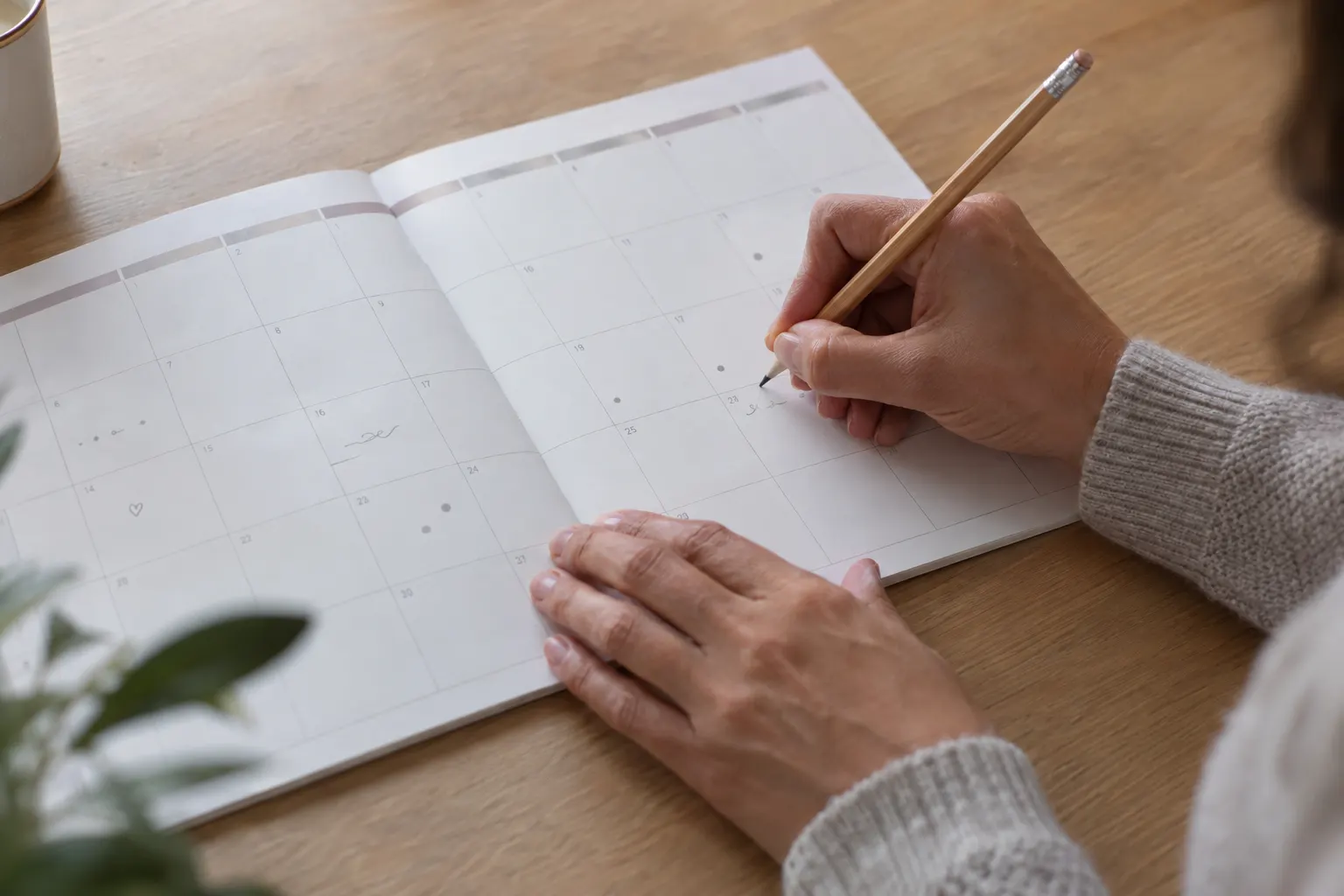
What Is a Menstrual Cycle Log?
It is a simple way to note when bleeding starts, how long it lasts, how it varies, and what symptoms occur. Observing the pattern over time can help you describe it clearly at a follow-up visit. A log is not a way to label each cycle as normal or abnormal: patterns vary from person to person and can also change in the same person.
What Dates and Bleeding Changes to Track
Note the dates when bleeding starts and ends. If the amount or appearance changes, describe it in simple terms—for example, whether it was lighter or heavier than in other cycles, or whether you had spotting outside the days that are usual for you. If you do not remember an exact date, write an estimate and indicate that it is approximate.
Symptoms and Their Approximate Timing in Your Cycle
You can record symptoms that matter to you and when they occur, without assuming they are caused by your cycle. Note whether they happen before, during, or after bleeding, how much they interfere with your activities, and whether they recur. These might include pain, mood changes, breast tenderness, headache, or other symptoms you notice. Mentioning whether you had to change or stop an activity provides context for the clinical conversation.
How to Get Started and Summarize the Information
Choose a calendar, an app, or a note-taking method that is easy for you to keep up with. For your appointment, you can summarize the start dates, the approximate duration of bleeding, changes that stood out to you, and symptoms that most affected your daily life. If you know when a change from your usual pattern began, note that. You do not need a perfect log to talk about your health.
Apps and Calendars: Tools, Not Diagnoses
Apps can help organize dates and observations, but their predictions or categories do not establish a medical cause. If you use one, distinguish the information you entered from estimates generated by the app. You do not need to choose a specific tool or interpret every change on its own.
What to Avoid When Keeping a Log
Avoid drawing conclusions from a single data point or comparing your cycle with one rule meant to apply to everyone. A log by itself cannot diagnose polycystic ovary syndrome, endometriosis, or other conditions. Do not stop taking contraceptives or other treatments to observe your cycle; talk with the professional who cares for you if you have questions.
When to Seek Care and How to Use Your Log
You can bring your observations to a follow-up visit with an endocrinologist or another professional who monitors your health. If you notice a significant change, have symptoms that concern you, or have a question about bleeding, you can seek care without waiting to complete several cycles. The clinical team will consider the information along with your history and decide whether any evaluation is needed. This content is educational and does not replace a consultation.
When to seek medical care
If symptoms persist, test results are abnormal, or you have questions about medication, arrange an individual assessment. Do not change treatment or doses without medical guidance.
Frequently asked questions
How many cycles should I track before making an appointment?
You do not have to wait to complete several cycles if you notice a significant change or have a concern. Share the observations you have, even if they are recent or approximate.
Can an app tell me whether I have a hormonal condition?
No. An app can organize dates and symptoms, but it cannot diagnose. Interpretation requires a professional to consider the clinical context.
Should I stop taking contraception to track my natural cycle?
Do not stop taking contraceptives or other treatments on your own. If you want to know how they may affect bleeding or have concerns, talk with the professional who is caring for you.
Does this topic resonate with you?
Every case is different. Book a consultation to review your history, test results and goals with a personalized plan.
More articles about Female reproductive endocrinology

5 min de lectura
Publicado: 15 de octubre de 2026 · Actualizado: 15 de octubre de 2026
Fever, Infection, or Vomiting: How to Manage Female Hormone Therapy During an Illness
Vomiting or diarrhea can make it difficult to take or absorb some hormone medications. Learn what information to review and when to seek individualized guidance.