Educational article
Essential Tips for Preparing for Your Hormone Tests

Dr. Teresita Cortés Segura, medical reviewer
Author and medical review: Dra. Teresita del Niño Jesús Cortés Segura, endocrinologist.
Location: Bogotá, Colombia.
Published: October 7, 2026 · Updated: October 7, 2026 · 5 min read.
Educational content. It does not replace an individual medical assessment and should not be used for self-medication.
What are hormone medical tests?
Hormone medical tests are periodic evaluations that allow monitoring of the balance of sexual and thyroid hormones in the body. These tests are essential for detecting imbalances that can affect overall health.
Signs that indicate the need for a hormone test
Symptoms such as mood changes, unexplained fatigue, weight fluctuations, sleep problems, and alterations in the menstrual cycle may indicate a hormonal imbalance. If you experience any of these symptoms, it is advisable to consult an endocrinologist.
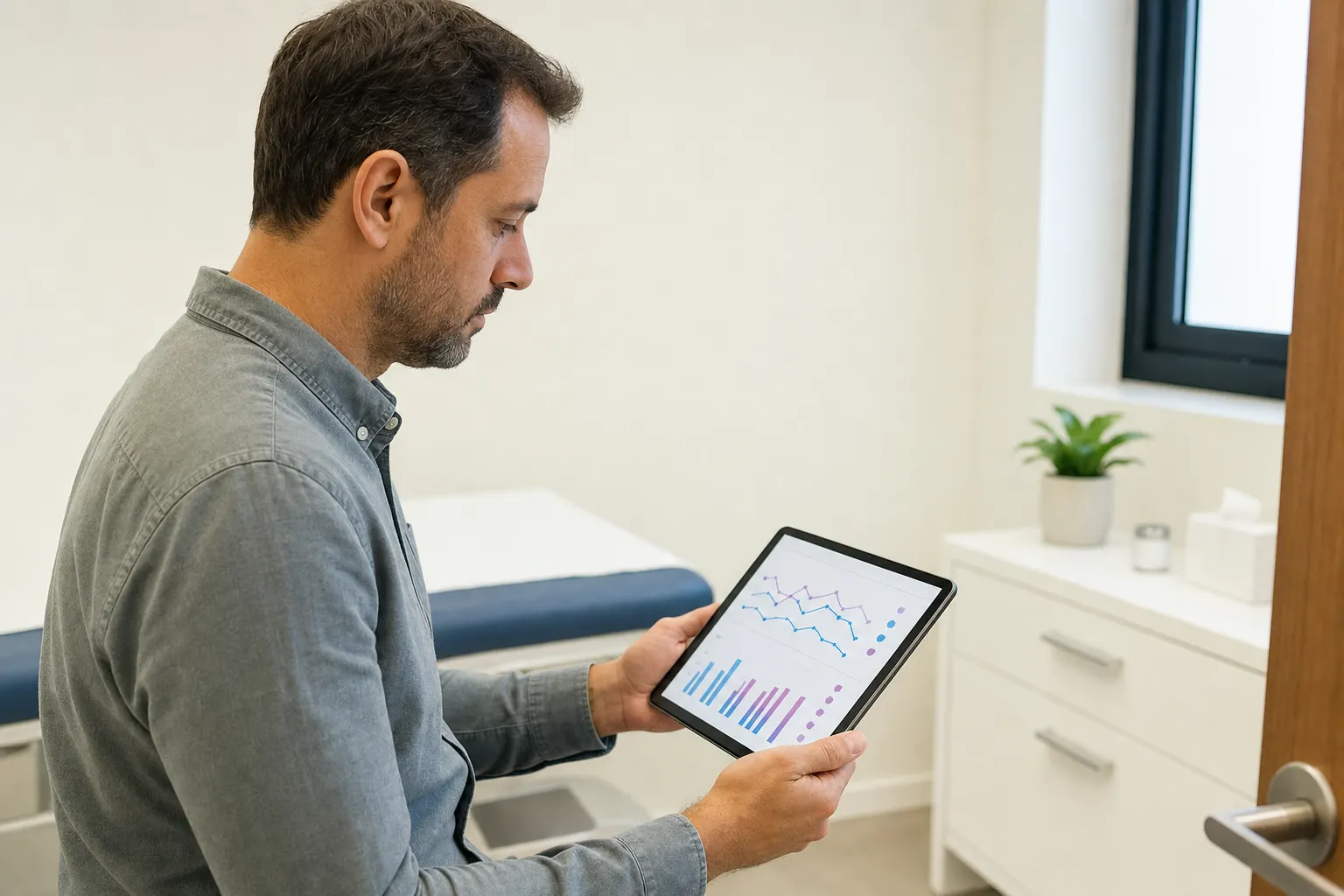
Steps to prepare for your medical tests
1. **Consult your doctor**: Discuss your symptoms and medical history with your doctor before undergoing any tests. 2. **Inform about medications**: Mention all medications and supplements you are taking, as some may influence test results. 3. **Follow pre-test instructions**: Some tests require fasting or the temporary suspension of certain medications. Follow your doctor's instructions.
Common mistakes when preparing for hormone tests
Failing to adequately inform the doctor about the use of medications or supplements is a common mistake. Additionally, many people do not follow fasting instructions, which can alter test results.
When to consult an endocrinologist?
It is advisable to consult an endocrinologist if you have persistent symptoms related to hormonal imbalances, abnormal results from previous tests, or a family history of hormonal issues.
The importance of continuous monitoring
Regular follow-up is essential to maintaining proper hormonal balance. This helps detect issues early and adjust treatments if necessary.
When to seek medical care
If symptoms persist, test results are abnormal, or you have questions about medication, arrange an individual assessment. Do not change treatment or doses without medical guidance.
Frequently asked questions
How often should I have hormone tests?
The frequency of hormone tests may vary based on your symptoms and medical history. Generally, at least once a year is recommended, but consult your doctor for a personalized plan.
What types of tests are performed in hormone tests?
Tests may include blood analyses to measure levels of hormones such as estrogen, progesterone, testosterone, thyroid, and cortisol.
Can I continue my medications before the test?
It is essential to inform your doctor about all medications you are taking. Some may require temporary suspension before tests.
More articles about Hormonas y trastornos hormonales

6 min de lectura
Publicado: 6 de octubre de 2026 · Actualizado: 6 de octubre de 2026
Hormones: Identifying Key Symptoms and Warning Signs You Should Not Ignore
Discover specific hormonal symptoms and learn to recognize warning signs that require specialized medical attention.

5 min de lectura
Publicado: 30 de septiembre de 2026 · Actualizado: 30 de septiembre de 2026
Hormones: Factors to Consider When Treatment Does Not Provide Expected Results
Analyzes the factors affecting the effectiveness of hormonal treatment and the importance of follow-up at each stage of the process.

5 min de lectura
Publicado: 29 de septiembre de 2026 · Actualizado: 29 de septiembre de 2026
Establishing Daily Habits for Monitoring Hormonal Health
Discover how to establish daily habits that effectively and sustainably support the monitoring of your hormonal health.

6 min de lectura
Publicado: 15 de septiembre de 2026 · Actualizado: 15 de septiembre de 2026
Hormones and Complications: Signs You Should Not Ignore
Explore the most common hormonal complications such as hypothyroidism and hyperthyroidism, and the signs indicating the need for medical attention.
6 min de lectura
Publicado: 5 de septiembre de 2026 · Actualizado: 5 de septiembre de 2026
Key Factors in Diagnosing Hormonal Imbalances
Discover the essential factors in diagnosing hormonal imbalances, including medical history and relevant data that facilitate understanding endocrine conditions.

5 min de lectura
Publicado: 1 de octubre de 2026 · Actualizado: 1 de octubre de 2026
Hormones and Their Influence on Daily Life: Recognizing Changes in Symptoms
Explore how hormones affect your daily life and learn to recognize symptoms that may indicate changes in your hormonal balance.