Educational article
When Hormonal Symptoms Interfere with Work, Sleep, or Concentration

Educational content. It does not replace an individual medical assessment and should not be used for self-medication.

Do fatigue, poor sleep, or difficulty concentrating mean there is a hormonal problem?
Not necessarily. Hormonal changes may coincide with variations in energy, rest, or attention, but these symptoms also have many other possible causes. Observing them can help you describe what is happening, but it cannot confirm a diagnosis on your own.
What everyday changes should I watch for?
Note what has changed: whether it is hard to fall asleep or you wake during the night, whether you feel tired at times when you used to manage your activities easily, or whether it is harder to stay focused, organize tasks, or remember routine matters. Record when it started, how often it happens, and whether it interferes with work, school, rest, or your responsibilities.
Can I draw conclusions from one difficult day?
An isolated episode usually says little about the cause. It is more useful to notice whether the change recurs, persists, or gets worse. You do not need to measure it precisely: a brief, consistent description can help you discuss it during an appointment.
What can I record before my appointment?
For a short period, note when each symptom occurs, how long it lasts, and how it affects your activities. If applicable, record your menstrual cycle and any changes you notice in relation to it, without assuming there is a connection. Include medications and supplements, as well as relevant changes in schedules, work shifts, stress, or sleep routines. Do not stop or change medications on your own.
Are these symptoms caused by hormones?
Not always. Stress, anemia, sleep disorders, and other conditions can cause similar symptoms. Changes in schedule, responsibilities, and personal circumstances may also play a role. For this reason, it is best to consider the full context rather than automatically attributing fatigue, insomnia, or difficulty concentrating to hormones.
When should I consider seeking a medical evaluation?
Consider seeking an evaluation if the changes persist, worsen, or affect your usual activities, such as working, resting, or staying focused. Your notes may make the conversation easier, but you do not need to complete a symptom log before asking for help. An evaluation can review the context and determine whether a possible cause should be investigated; hormone panels are not recommended without professional guidance.
How can I make the most of my appointment?
Describe what has changed compared with your usual functioning, when it started, and how often it occurs. Explain which activities have been affected, and mention medications, supplements, schedules, and other relevant changes. Your clinician can consider this information along with your medical history and determine whether additional evaluations are needed.
Keeping a record helps describe changes
A simple note about sleep, energy, concentration, and context can help you explain what is happening. It does not, by itself, confirm a hormonal imbalance or allow you to decide on treatment. If symptoms persist or interfere with your daily life, a medical evaluation can review possible explanations on an individual basis.
When to seek medical care
If symptoms persist, test results are abnormal, or you have questions about medication, arrange an individual assessment. Do not change treatment or doses without medical guidance.
Frequently asked questions
Do I need to track all my symptoms for a long time before seeking an evaluation?
No. A brief record can help, but it is not required. If the changes persist, worsen, or affect your activities, you can request an evaluation without waiting.
Should I ask for hormone tests because of fatigue or difficulty concentrating?
Not necessarily. These symptoms can have different causes. A healthcare professional can assess the context and decide whether any test is appropriate.
Does this topic resonate with you?
Every case is different. Book a consultation to review your history, test results and goals with a personalized plan.
More articles about Hormones and hormonal disorders

5 min de lectura
Publicado: 9 de noviembre de 2026 · Actualizado: 9 de noviembre de 2026
Hormone Follow-Ups with Multiple Specialists: How to Organize Information for a Clearer Visit
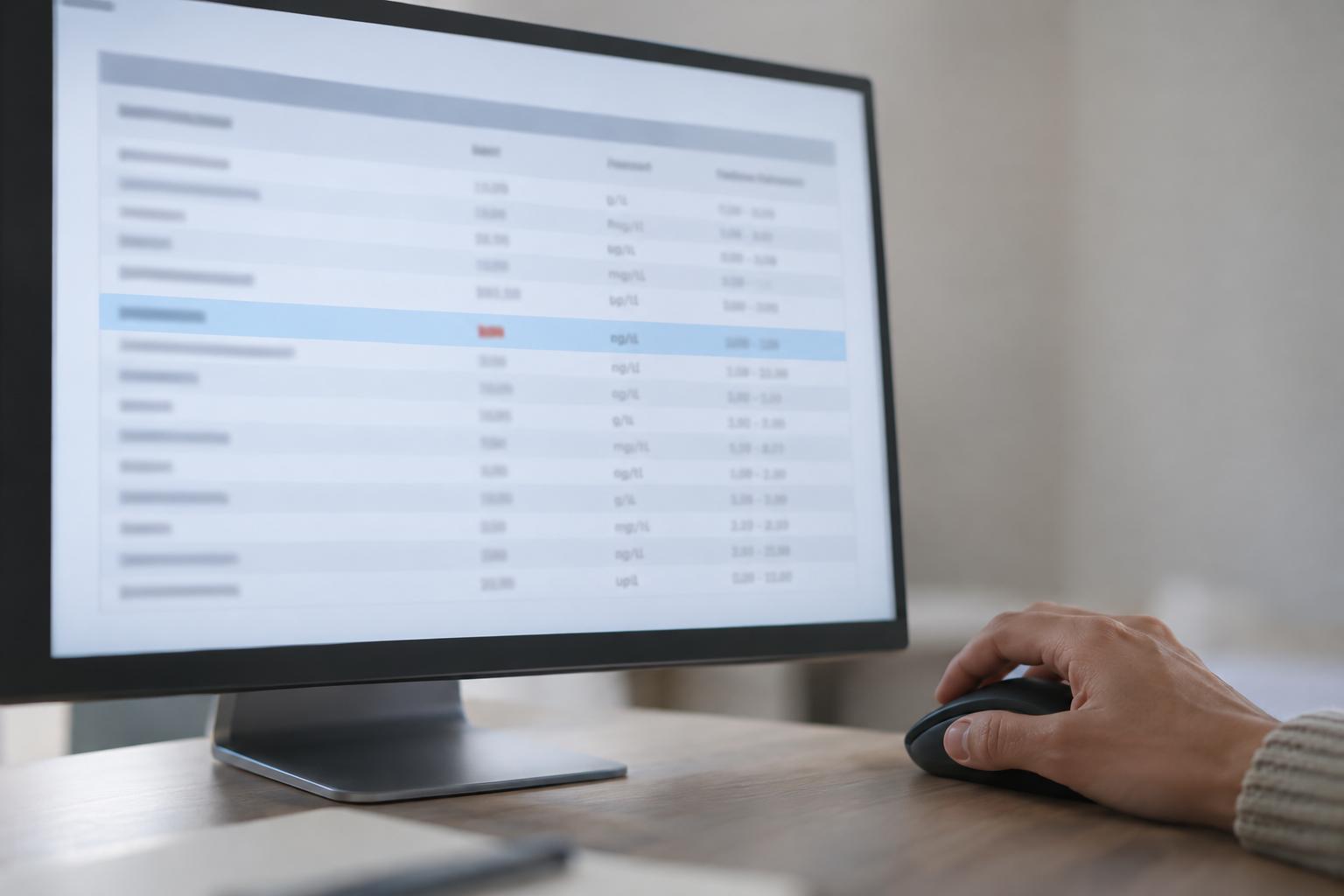
Organize treatments, results, and questions before an endocrinology follow-up, and clarify who will follow up on each aspect of your care.
5 min de lectura
Publicado: 8 de noviembre de 2026 · Actualizado: 8 de noviembre de 2026
When a Hormone Result Is Slightly Abnormal: Putting It in Perspective
An alert on a hormone test does not, by itself, confirm a disease. Learn what factors are considered when interpreting the result and when to review it with the person who ordered the test.

6 min de lectura
Publicado: 4 de noviembre de 2026 · Actualizado: 4 de noviembre de 2026
If a Family Member Has a Confirmed Hereditary Endocrine Syndrome: How to Plan Your Next Step
Learn what family information to gather and how clinicians assess whether an evaluation or genetic test may be appropriate when a family member has a confirmed hereditary endocrine syndrome.

5 min de lectura
Publicado: 1 de noviembre de 2026 · Actualizado: 1 de noviembre de 2026
Hormonal Complications: How to Tell an Emergency from a Prompt Appointment
How to assess whether a change calls for immediate care, prompt clinical guidance, or can be discussed at a scheduled follow-up—without attributing isolated symptoms to a hormonal complication.

5 min de lectura
Publicado: 29 de octubre de 2026 · Actualizado: 29 de octubre de 2026
More Than the Hormone: How to Choose the Treatment Form That Best Fits You
The different forms of a hormone therapy are not always interchangeable. Learn what practical and clinical factors to review with your health care professional before starting, changing, or continuing a regimen.

5 min de lectura
Publicado: 20 de octubre de 2026 · Actualizado: 20 de octubre de 2026
Early Adulthood: How to Tell a New Routine from a Hormonal Change
A guide for young adults on tracking changes in fatigue, sleep, or the menstrual cycle, considering the context of a new routine, and preparing useful information for a medical evaluation.