Educational article
Changes in Mobility and Energy in Older Adults: When to Discuss Calcium and the Parathyroid Glands

Educational content. It does not replace an individual medical assessment and should not be used for self-medication.

What a change in mobility or energy may mean
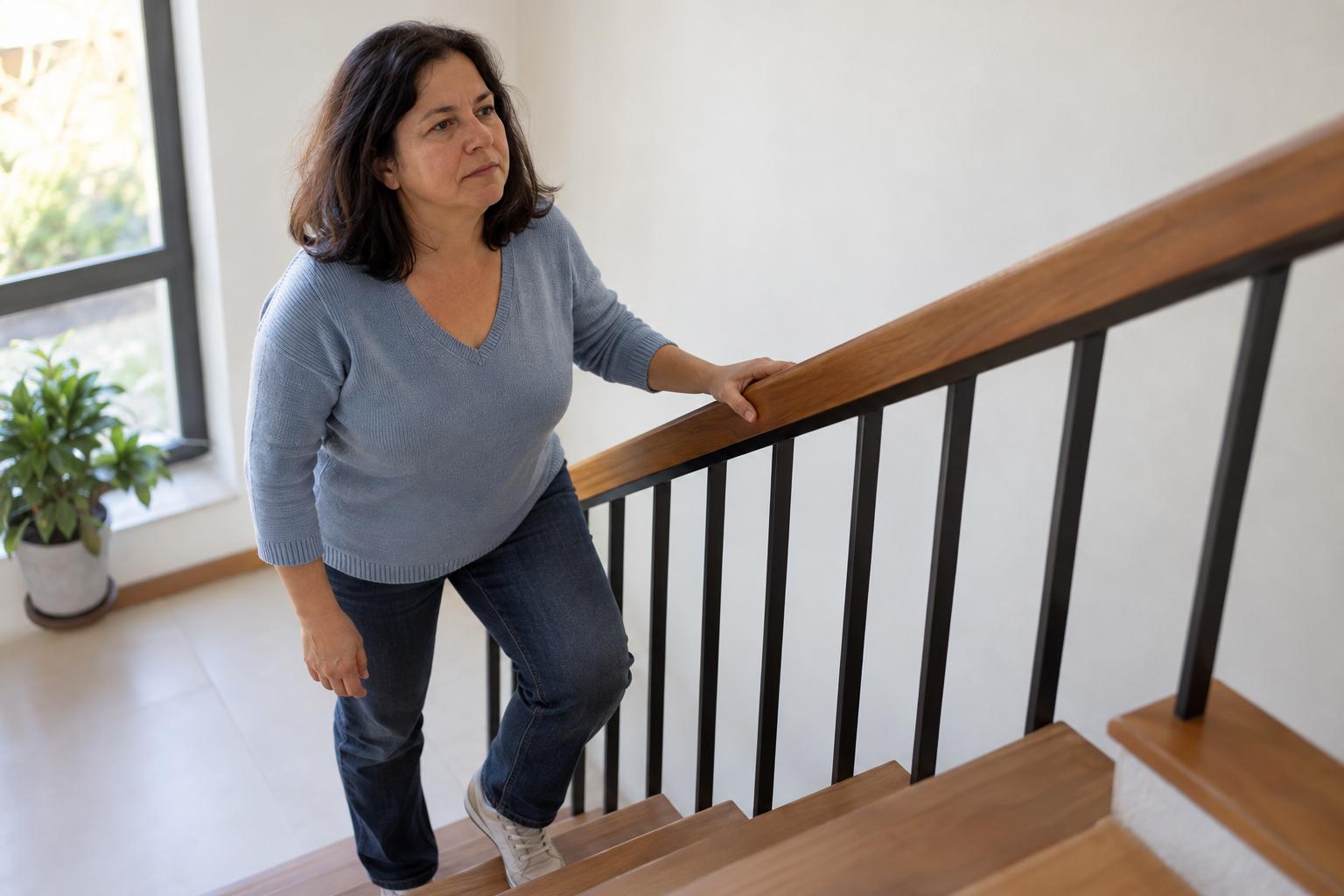
In an older adult, taking longer to stand up from a chair, walking less easily, or having less energy are changes worth noticing if they are new, persist, or affect usual activities. By themselves, they do not identify the cause or confirm a problem with the parathyroid glands, calcium, or vitamin D. A clinical evaluation can take each person’s circumstances into account.
What the parathyroid glands, calcium, and vitamin D do
The parathyroid glands help regulate calcium levels in the blood. Vitamin D helps the body absorb calcium and also plays a role in bone and muscle health. If an abnormality is suspected, the healthcare team may evaluate its possible relationship to the symptoms; appearance or difficulty moving is not enough to establish that relationship.
Everyday changes worth describing
Note which activity has changed and how—for example, whether it has become harder to stand up, walk a familiar distance, climb steps, or complete household tasks. You can also mention whether the change appeared gradually or suddenly, whether it varies over time, and whether there have been falls or new limitations. This information describes the situation but does not determine its cause.
Changes can have different causes
Mobility and energy can be affected by health conditions, pain, sleep, mood, nutrition, medications, or other factors. Several causes may occur at the same time in an older adult. Avoid automatically attributing a fall, perceived loss of strength, or fatigue to age or a calcium problem.
What information to bring to the evaluation
If possible, note when the change began and how it has progressed. Describe which activities have become more difficult, whether there have been falls, and what limitations have appeared. Bring an up-to-date list of medications and supplements. A family member’s observations may add context, while always respecting the person’s preferences.
How a clinical evaluation is guided
The healthcare professional will ask about symptoms, medical history, medications, and changes in activities. Depending on the situation, they will decide whether a physical examination or tests are needed. If calcium, vitamin D, or hormones related to the parathyroid glands are measured, the results are interpreted together with the medical history; the same tests are not appropriate for everyone.
When to seek an evaluation
Request an evaluation if the change persists, progresses, or begins to interfere with usual activities. If a fall causes an injury, or intense confusion or marked weakness occurs, the need for care will depend on the severity and the person’s safety; in an emergency or if there is an immediate risk, seek urgent help through available services.
What to avoid
Do not assume that difficulty walking or standing is inevitable with age or is caused by calcium. Do not stop medications, change doses, or start supplements on your own. A discussion with a healthcare professional can help determine whether tests are needed and which measures are appropriate.
When to seek medical care
If symptoms persist, test results are abnormal, or you have questions about medication, arrange an individual assessment. Do not change treatment or doses without medical guidance.
Frequently asked questions
Does having more difficulty standing up mean there is a parathyroid problem?
Not necessarily. There may be different causes, and this change does not confirm an abnormality of the parathyroid glands or calcium. If it persists or affects everyday activities, discuss it during a clinical evaluation.
What should I note before the evaluation?
When the change began and how it has progressed, which tasks have become more difficult, whether there have been falls or new limitations, and which medications or supplements the person uses.
When should you not wait for a scheduled appointment?
The urgency depends on the situation. A fall with an injury, intense confusion, or marked weakness warrants prompt guidance; in an emergency or if there is an immediate risk, seek urgent help.
Does this topic resonate with you?
Every case is different. Book a consultation to review your history, test results and goals with a personalized plan.
More articles about Parathyroid, calcium and vitamin D

5 min de lectura
Publicado: 12 de noviembre de 2026 · Actualizado: 12 de noviembre de 2026
Vitamin D and Calcium: Medical History to Share with Your Endocrinologist
Learn how kidney or digestive diseases, certain surgeries, and treatments can provide context when reviewing vitamin D, calcium, and PTH, without attributing changes to a single cause.

6 min de lectura
Publicado: 8 de noviembre de 2026 · Actualizado: 8 de noviembre de 2026
Calcium and Vitamin D Outside Your Routine: Planning for Travel, Fasting, and Different Schedules
What to discuss with your care team about calcium, vitamin D, fasting, and timing before traveling or changing your routine—without changing your treatment on your own.

5 min de lectura
Publicado: 5 de noviembre de 2026 · Actualizado: 5 de noviembre de 2026
A Simple Plan for Keeping Up With Your Parathyroid Care During Busy Weeks
Practical strategies to help you remember your parathyroid, calcium, and vitamin D instructions during busy weeks, without changing your treatment on your own.

5 min de lectura
Publicado: 3 de noviembre de 2026 · Actualizado: 3 de noviembre de 2026
Medications for Hyperparathyroidism: When to Control Calcium and When to Protect Bone Health
Cinacalcet, bisphosphonates, and denosumab may serve different purposes. Learn which aspects of blood calcium and bone health they may address and why the choice and monitoring depend on each individual case.
5 min de lectura
Publicado: 3 de noviembre de 2026 · Actualizado: 3 de noviembre de 2026
Low Vitamin D and the Parathyroid Glands: Preventing Ongoing Changes from Affecting Bones and Muscles
Insufficient vitamin D may raise PTH as a compensatory response and affect bone metabolism. Learn how these results are interpreted and why correction should be individualized.

5 min de lectura
Publicado: 10 de septiembre de 2026 · Actualizado: 10 de septiembre de 2026
Suspected Parathyroid Disorder: Which Tests Are Usually Ordered First
Learn how calcium and PTH are interpreted when a parathyroid disorder is possible, which other tests may provide context, and when imaging studies may be considered.