Educational article
Urine or Salivary Cortisol: Collection Errors That May Require Repeating the Test

Educational content. It does not replace an individual medical assessment and should not be used for self-medication.
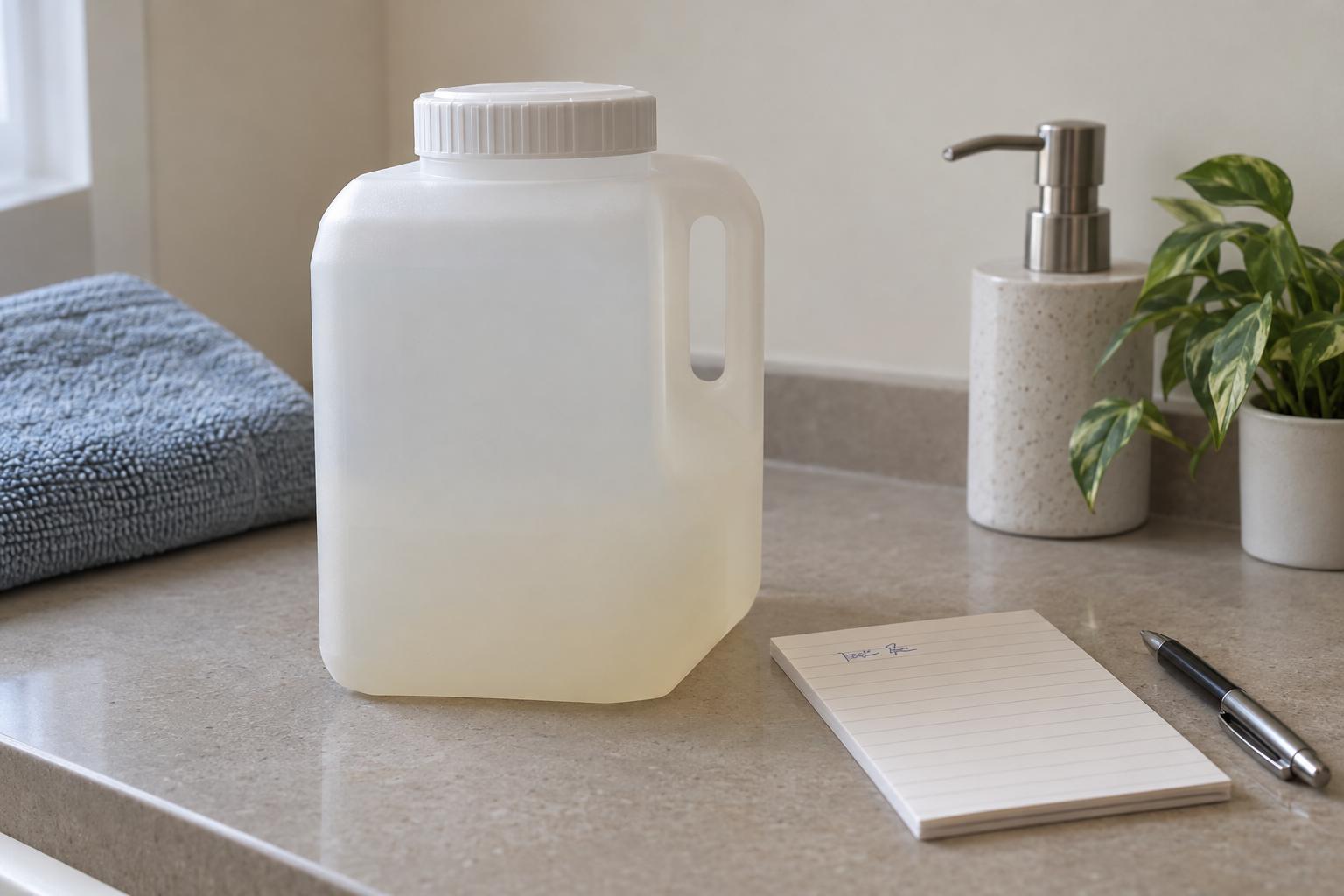
Before you begin: confirm which sample was requested
Cortisol can be measured in different types of samples, and the instructions are not interchangeable. Confirm whether you were asked to provide a 24-hour urine or saliva sample, and review the container or kit, timing, storage, and delivery instructions for your test. If anything is unclear, contact the laboratory before you begin.
24-hour urine: record the start and end times
Follow the instructions provided with the container. In many protocols, you discard the first urination at the start, record the time, and then collect each urination during the specified period, including the last one at the end of 24 hours. The procedure may vary; if your laboratory’s instructions differ, confirm with them how to proceed.
24-hour urine: do not miss or make up a collection
Collect each urination during the period using the specified procedure. Do not omit a collection or add a sample from another time to make up for it. If you forget to collect a urination or spill part of the sample, notify the laboratory; an incomplete collection may affect the usefulness of the result and may need to be repeated.
Urine: avoid contamination and changes to the container
Use the approved container and follow instructions for keeping it closed, storing it, and transporting it. Do not transfer the sample to another container or add anything on your own. If the sample is contaminated or lost, or you are unsure about its storage, contact the laboratory before submitting it or repeating the collection.
Saliva: follow the specified timing
A saliva sample may need to be collected at a specific time. Check the timing on the kit or order and, if helpful, set a reminder. Do not change the time for convenience. If you are unsure when to collect the sample, confirm the instructions before doing so.
Saliva: follow the kit’s preparation instructions
Review the instructions about food, drinks, oral hygiene, and tobacco before collecting the sample. Restrictions and how long they apply may vary by method and laboratory, so there is no single rule that applies to every test. Do not use instructions for another test as a guide.
Storage and delivery: confirm the specific requirements
Storage and transport requirements depend on the sample type and method. Check where to store the container, whether it needs refrigeration, and when it must be delivered. If you cannot meet the specified deadline or conditions, ask the laboratory what to do.
If an error occurs, report what happened
Let the laboratory know if you missed a collection, spilled some of the sample, contaminated the container, changed the timing, or have questions about storage. Clearly describe what happened and ask whether the sample can be processed. Do not make up times or mark an incomplete collection as complete. Do not discard the sample or repeat the collection without confirming the next steps with the laboratory or the professional who ordered the test.
Results and next steps
The laboratory determines whether a sample can be processed or whether it should be repeated; not every error automatically means a new collection is needed. A collection error may limit interpretation, but on its own it does not confirm a disease. Take the result and any notes about the collection to the professional who ordered the test. This content is educational and does not replace a medical consultation.
When to seek medical care
If symptoms persist, test results are abnormal, or you have questions about medication, arrange an individual assessment. Do not change treatment or doses without medical guidance.
Frequently asked questions
What should I do if I forgot to collect a urination during the 24-hour period?
Tell the laboratory what happened. Do not make up for it with a sample from another time or record information that is not accurate. The laboratory will tell you whether it can accept the sample or whether you need to arrange another collection.
Can I repeat the saliva sample if I did not follow a restriction?
Ask the laboratory or the professional who ordered the test before repeating it. The decision depends on the preparation, timing, and method used.
Does a collection error mean I have an adrenal problem?
No. An error may affect the quality or interpretation of the sample, but it does not by itself show that you have a disease. The result should be reviewed with the professional who ordered the test.
Does this topic resonate with you?
Every case is different. Book a consultation to review your history, test results and goals with a personalized plan.
More articles about Adrenal glands
6 min de lectura
Publicado: 1 de noviembre de 2026 · Actualizado: 1 de noviembre de 2026
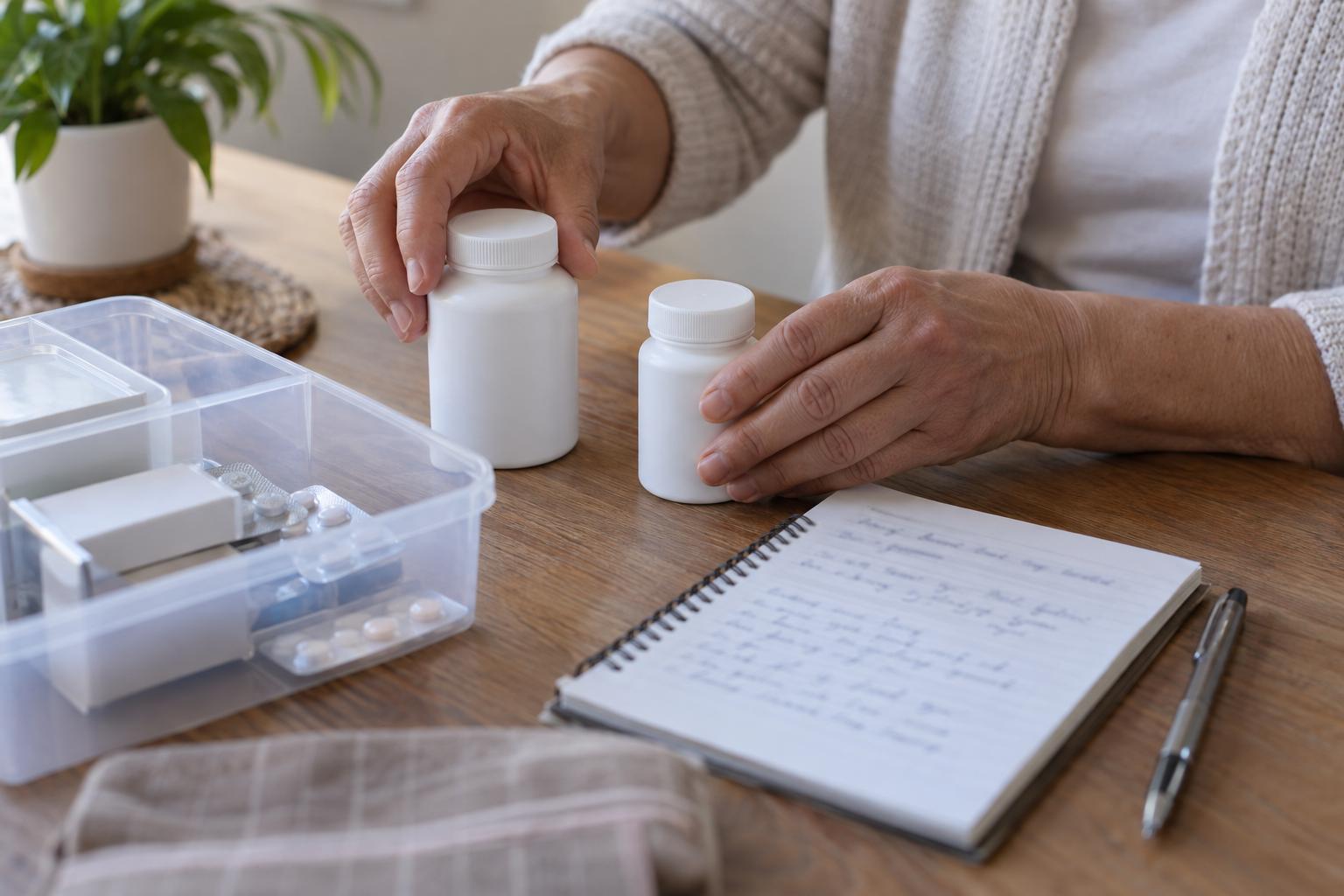
After Long-Term Corticosteroid Use: When to Consider Adrenal Suppression
Prolonged or repeated glucocorticoid use can temporarily reduce the body’s own cortisol production. Learn what history to gather and why you should not change treatment without professional guidance.
5 min de lectura
Publicado: 31 de octubre de 2026 · Actualizado: 31 de octubre de 2026
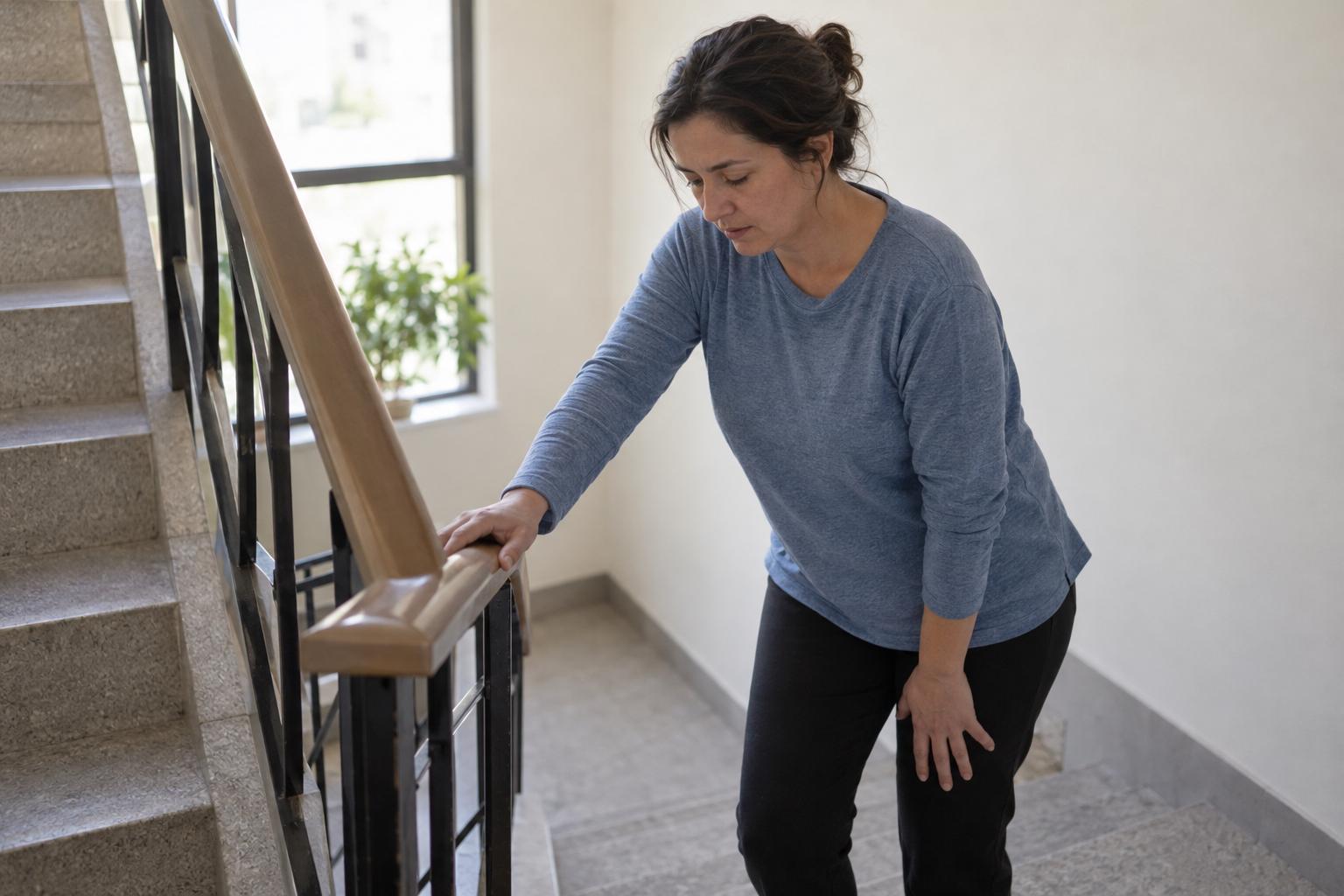
It Takes You Longer to Recover After Everyday Activities: When to Consider the Adrenal Glands
If everyday activities such as climbing stairs leave you feeling tired for a long time, learn what information can help make sense of the change and why it is not enough to attribute it to the adrenal glands.
6 min de lectura
Publicado: 31 de octubre de 2026 · Actualizado: 31 de octubre de 2026
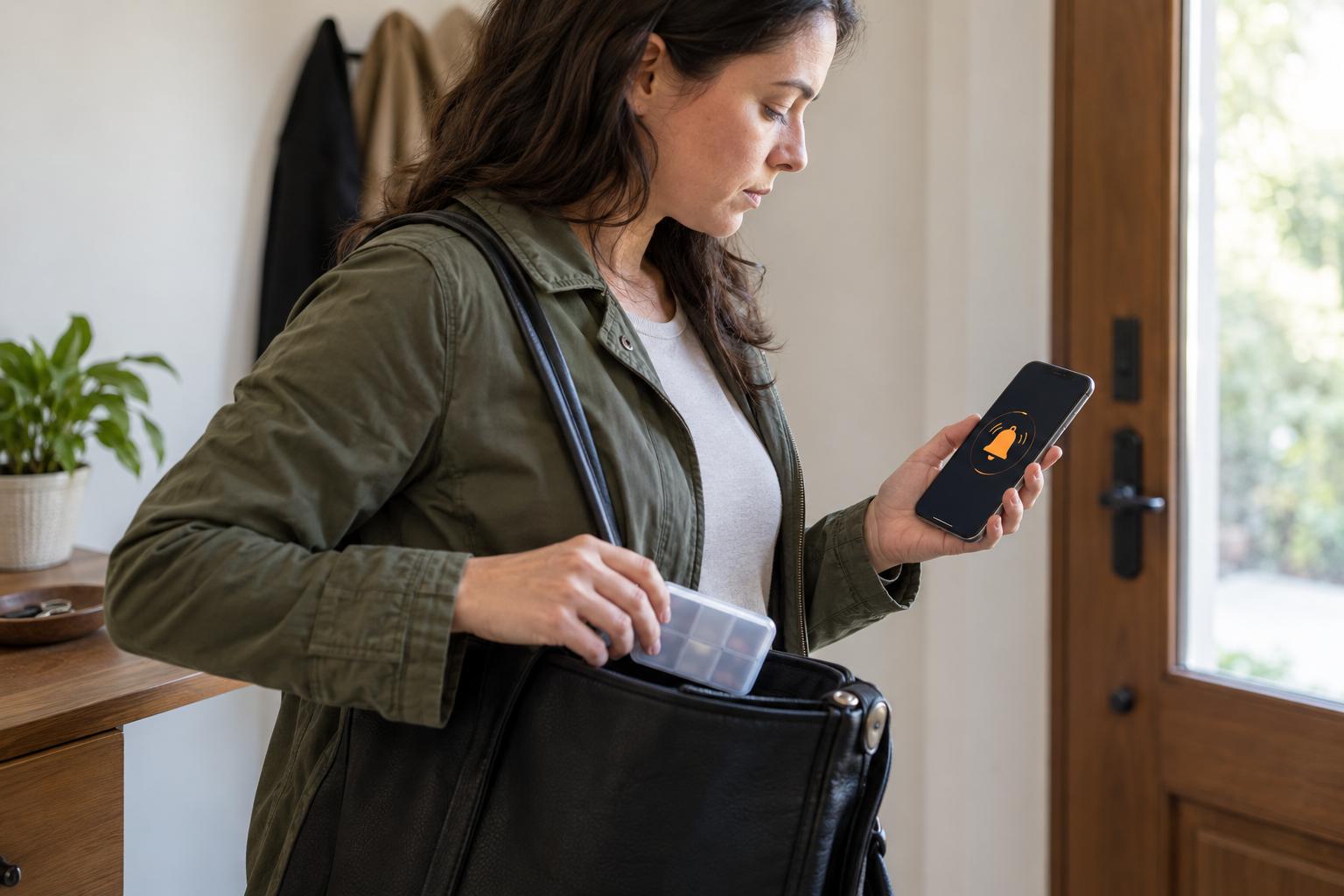
Living With Adrenal Replacement Therapy: Habits That Support a Safe Routine
How to organize hormone replacement for adrenal insufficiency around changes in schedules, exercise, and travel, without replacing the individual plan recommended by your healthcare team.

6 min de lectura
Publicado: 15 de octubre de 2026 · Actualizado: 15 de octubre de 2026
Fatigue in Older Adults: When to Consider the Adrenal Glands—and When Not To
Fatigue and dizziness in older adults can have many causes. Age does not mean the adrenal glands are failing: learn when a healthcare professional may consider evaluating cortisol.

5 min de lectura
Publicado: 24 de septiembre de 2026 · Actualizado: 24 de septiembre de 2026
Daily Eating and Adrenal Health: How to Choose Without Seeking a Perfect Diet
Learn what to consider in your daily eating if you have an adrenal condition, and why guidance about salt, fluids, or restrictions should be tailored to your situation.

6 min de lectura
Publicado: 6 de septiembre de 2026 · Actualizado: 6 de septiembre de 2026
Pheochromocytoma: Why Managing Blood Pressure and Planning Procedures Reduces Risks
Learn why pheochromocytoma can affect blood pressure and the heart, what the healthcare team coordinates before surgery or anesthesia, and when to seek care.