Educational article
After Giving Birth, Why Can the Thyroid Change? A Guide to Postpartum Thyroiditis

Educational content. It does not replace an individual medical assessment and should not be used for self-medication.

What is postpartum thyroiditis?
It is inflammation of the thyroid that may occur during the year after giving birth and temporarily change the amount of thyroid hormones in the body. It does not occur after every pregnancy. In some people, the changes resolve; in others, a thyroid-function change may persist. The course varies from person to person.
Fatigue alone does not identify the cause
Fatigue is common in the postpartum period and may be related to physical recovery, interrupted sleep, or other factors. It can also occur with changes in thyroid function, but it is not enough to determine the cause. Palpitations, weight changes, and mood changes can also have different causes and should be interpreted in context.
Does postpartum thyroiditis always go through the same phases?
No. Some people first have changes associated with a temporary excess of thyroid hormones, followed by changes related to low thyroid function; others have only one phase, few noticeable symptoms, or a different course. Not everyone notices an initial phase, and this description cannot predict an individual’s course.
Why can the thyroid change after giving birth?
Changes in the immune system during pregnancy and after giving birth may be related to thyroid inflammation. Postpartum thyroiditis often has an autoimmune component, but this mechanism cannot determine with certainty who will develop it or how it will progress.
What medical history should you mention?
A personal history of thyroid disease or an autoimmune condition is relevant information to discuss with a health professional. Its significance depends on your medical history and symptoms; by themselves, these factors do not mean that you have postpartum thyroiditis.
How is it evaluated whether symptoms are related to the thyroid?
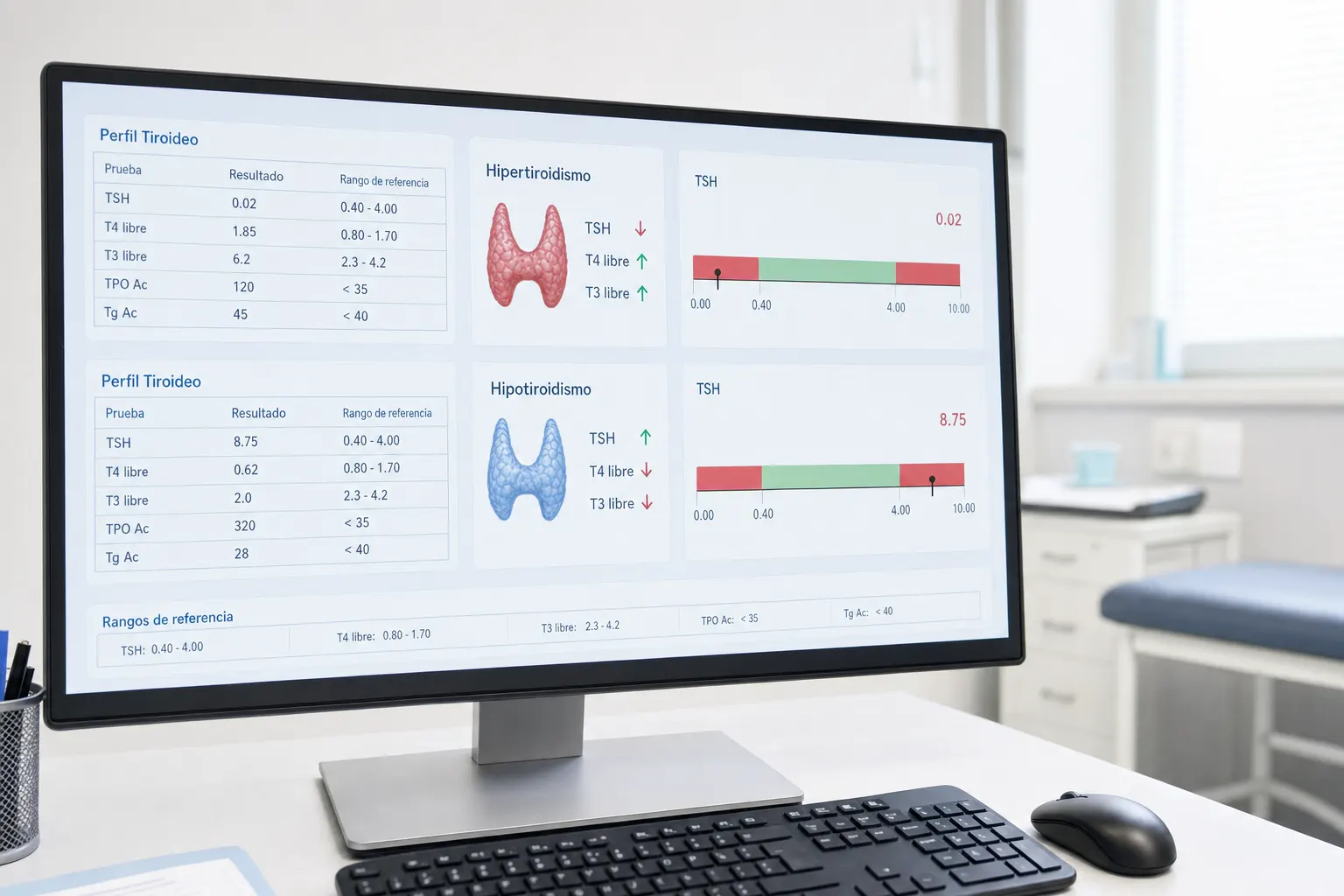
A health professional may review when the symptoms began, how they have changed, and which aspects of your medical history are relevant. Depending on the situation, they may consider thyroid-function tests, such as TSH and thyroid hormone tests. Results are interpreted together with your medical history, not in isolation.
When should you discuss this with a health professional?
You can raise your concern if symptoms persist, worry you, or affect your daily life, especially if you have a history of thyroid or autoimmune conditions. You do not need to wait until all the symptoms appear. In Colombia, you can ask how to address this concern during postpartum checkups you already have scheduled, depending on how your care is organized.
What information may be useful to share?
Mention when you gave birth, what changes you have noticed and when they began, any relevant medical history, and the medications you take. This information helps assess whether tests or another evaluation are needed. Not all postpartum discomfort is caused by the thyroid; guidance depends on each individual situation.
When to seek medical care
If symptoms persist, test results are abnormal, or you have questions about medication, arrange an individual assessment. Do not change treatment or doses without medical guidance.
Frequently asked questions
Can postpartum thyroiditis be temporary?
Yes. In some people, changes in thyroid function resolve; in others, they may persist. The course varies and cannot be determined from symptoms alone.
Do palpitations or weight changes confirm postpartum thyroiditis?
No. They can have different causes and do not by themselves confirm a thyroid disorder. A health professional can assess the context and decide whether testing is appropriate.
Should I have thyroid tests just because I am in the first year after giving birth?
Not necessarily. The decision depends on symptoms, medical history, and an individual evaluation. You can discuss this possibility during a health checkup.
Does this topic resonate with you?
Every case is different. Book a consultation to review your history, test results and goals with a personalized plan.
More articles about Thyroid health
5 min de lectura
Publicado: 3 de octubre de 2026 · Actualizado: 3 de octubre de 2026
Key Elements for an Effective Diagnosis of Thyroid Disorders: History and Evaluation
Learn the essential aspects for an accurate diagnosis of thyroid disorders, including history and clinical evaluation.

5 min de lectura
Publicado: 27 de septiembre de 2026 · Actualizado: 27 de septiembre de 2026
Factors to Consider When Thyroid Treatment Does Not Work as Expected
Analyzes factors that can influence the effectiveness of treatments for hypothyroidism and hyperthyroidism and how to address them effectively.

5 min de lectura
Publicado: 23 de septiembre de 2026 · Actualizado: 23 de septiembre de 2026
How to Manage Your Thyroid Health During Travel and Time Zone Changes in Bogotá
Learn how to care for your thyroid health during travel and time zone changes with practical advice and healthy habits.

8 min de lectura
Publicado: 21 de septiembre de 2026 · Actualizado: 21 de septiembre de 2026
Key Indicators That May Signal Complications in Thyroid Diseases
Discover the warning signs that may indicate cardiovascular and metabolic complications in thyroid diseases and when to seek medical attention.

5 min de lectura
Publicado: 18 de septiembre de 2026 · Actualizado: 18 de septiembre de 2026
Thyroid Tests During a Serious Illness: Why They Are Sometimes Repeated Later
A serious illness or hospitalization can temporarily affect some thyroid test results. Learn how they are interpreted and why the health care team decides whether and when they need to be repeated.

5 min de lectura
Publicado: 6 de septiembre de 2026 · Actualizado: 6 de septiembre de 2026
Signs Indicating the Need to Consult About Thyroid Problems
Discover the signs and symptoms that may indicate thyroid problems and when it is necessary to consult a specialist.