Educational article
Coffee and health: what we know about benefits and risks

Educational content. It does not replace an individual medical assessment and should not be used for self-medication.

Distinguish immediate and long-term effects
Caffeine can increase alertness. Some studies link coffee intake with certain long-term health outcomes, but an association does not show that taking up coffee prevents illness. Your preference and how you feel matter.
What has been measured in the short term
A randomized trial comparing coffee and no-coffee days found that participants slept less and took more steps on coffee days. The trial was short. At an individual level, palpitations, jitteriness and poor sleep are also worth noticing.
Consider what is in the cup
Plain filter coffee differs from a large drink with syrup or cream in caffeine and nutrients. If you notice symptoms, try a smaller cup, an earlier time or decaf. During pregnancy or when taking medicines that can interact, ask what limit makes sense for you.
When to seek medical care
If symptoms persist, test results are abnormal, or you have questions about medication, arrange an individual assessment. Do not change treatment or doses without medical guidance.
Frequently asked questions
Do I need to drink coffee for my health?
You do not need to add it for that purpose. If you enjoy it, consider the amount, what you add and its effect on sleep.
References
- Acute Effects of Coffee Consumption on Health among Ambulatory Adults · New England Journal of Medicine
- Spilling the Beans: How Much Caffeine Is Too Much? · FDA
Does this topic resonate with you?
Every case is different. Book a consultation to review your history, test results and goals with a personalized plan.
More articles about Cardiometabolic health and lipids
3 min de lectura
Publicado: 16 de noviembre de 2026 · Actualizado: 16 de noviembre de 2026
Caffeine effects: sleep, palpitations and how to track intake
Learn where caffeine comes from, why timing can affect sleep and what to record if you get palpitations.

3 min de lectura
Publicado: 16 de noviembre de 2026 · Actualizado: 16 de noviembre de 2026
Sweet cravings: when to review habits and when to seek advice
What helps explain cravings and why a craving alone cannot identify a deficiency.

5 min de lectura
Publicado: 31 de octubre de 2026 · Actualizado: 31 de octubre de 2026
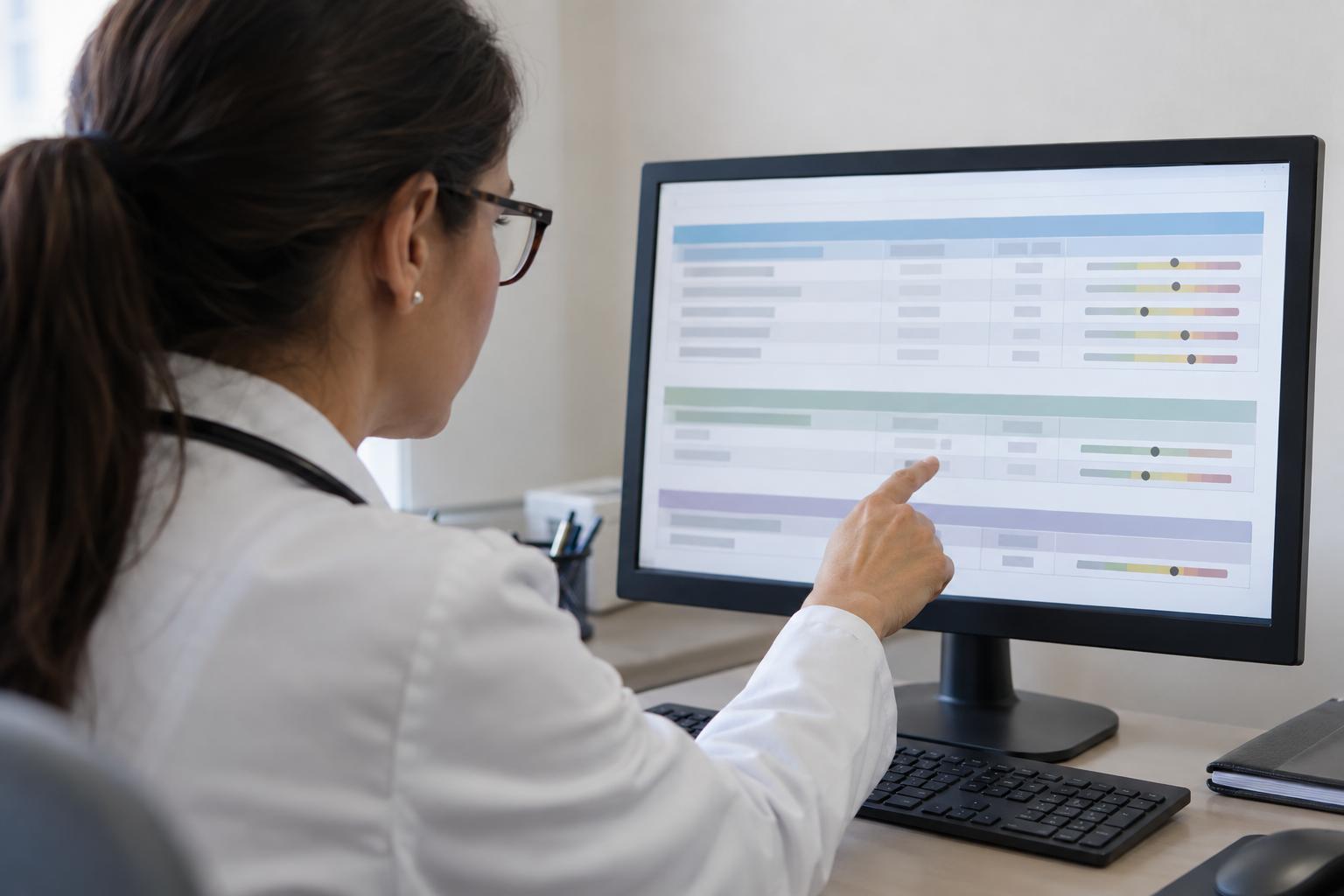
It’s Not All About Diet: Everyday and Medical Factors That Also Affect Lipids
Diet is not the only relevant factor when interpreting a lipid panel. Learn which medications, health conditions, tobacco use, and sleep-related factors are worth mentioning during a review, and why they do not by themselves identify the cause of an abnormal result.
5 min de lectura
Publicado: 28 de octubre de 2026 · Actualizado: 28 de octubre de 2026
Beyond Standard Cholesterol Tests: When to Discuss ApoB and Lipoprotein(a)
ApoB and lipoprotein(a) may provide additional information alongside a lipid panel in some situations. Learn what they measure, when testing might be considered, and how results are interpreted together with your medical history.

6 min de lectura
Publicado: 25 de octubre de 2026 · Actualizado: 25 de octubre de 2026
High Cholesterol from a Young Age or Across Generations: When to Suspect a Familial Cause
Learn which family history, ages, and lipid panel results may prompt an evaluation for a possible hereditary cause of high cholesterol, and why no single finding confirms a diagnosis.
5 min de lectura
Publicado: 4 de octubre de 2026 · Actualizado: 4 de octubre de 2026
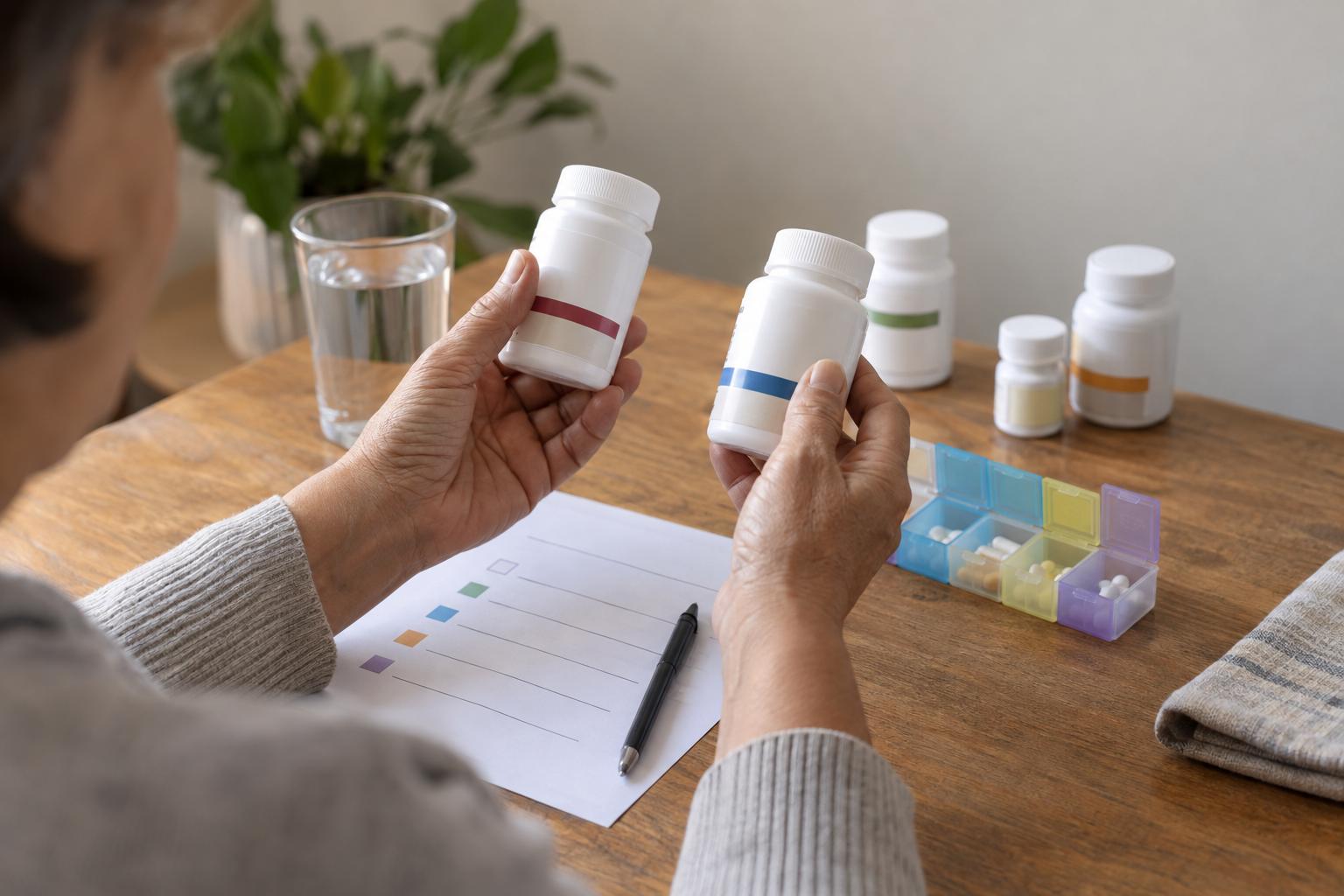
Cholesterol Medication: Timing, Dose, and Combination Mistakes You Can Prevent
What to do if you miss or may have repeated a dose, how to check the prescribed schedule, and when to ask for advice before combining or changing cholesterol medications.