Educational article
High triglycerides on a test: What information to bring when looking for possible causes

Educational content. It does not replace an individual medical assessment and should not be used for self-medication.

Can one high result tell you what caused it?
Not by itself. A health care professional interprets the measurement alongside your health history, habits, medications, and other relevant results. It is not advisable to automatically attribute it to a meal, alcohol, or a medication: the significance of each factor depends on the individual context.
Which reports should I bring?
Bring the complete report and, if available, previous results so they can compare dates and values. If the tests were done at different institutions, gathering the available reports may make them easier to review. Ask whether the result needs to be confirmed or the test repeated.
What health history should I mention?
Discuss any health conditions you already know about, current treatments, and any recent changes that seem relevant to you. You do not need to arrive with a definite cause in mind: the health care professional will decide which details help interpret the result and whether additional information is needed.
Should I talk about my diet and alcohol use?
Yes. Describe your usual eating patterns and, if you drink alcohol, how often and under what circumstances. Also mention any recent changes. This information provides context; one food or isolated instance of consumption cannot, by itself, identify the cause of the result.
Which medications and supplements should I report?
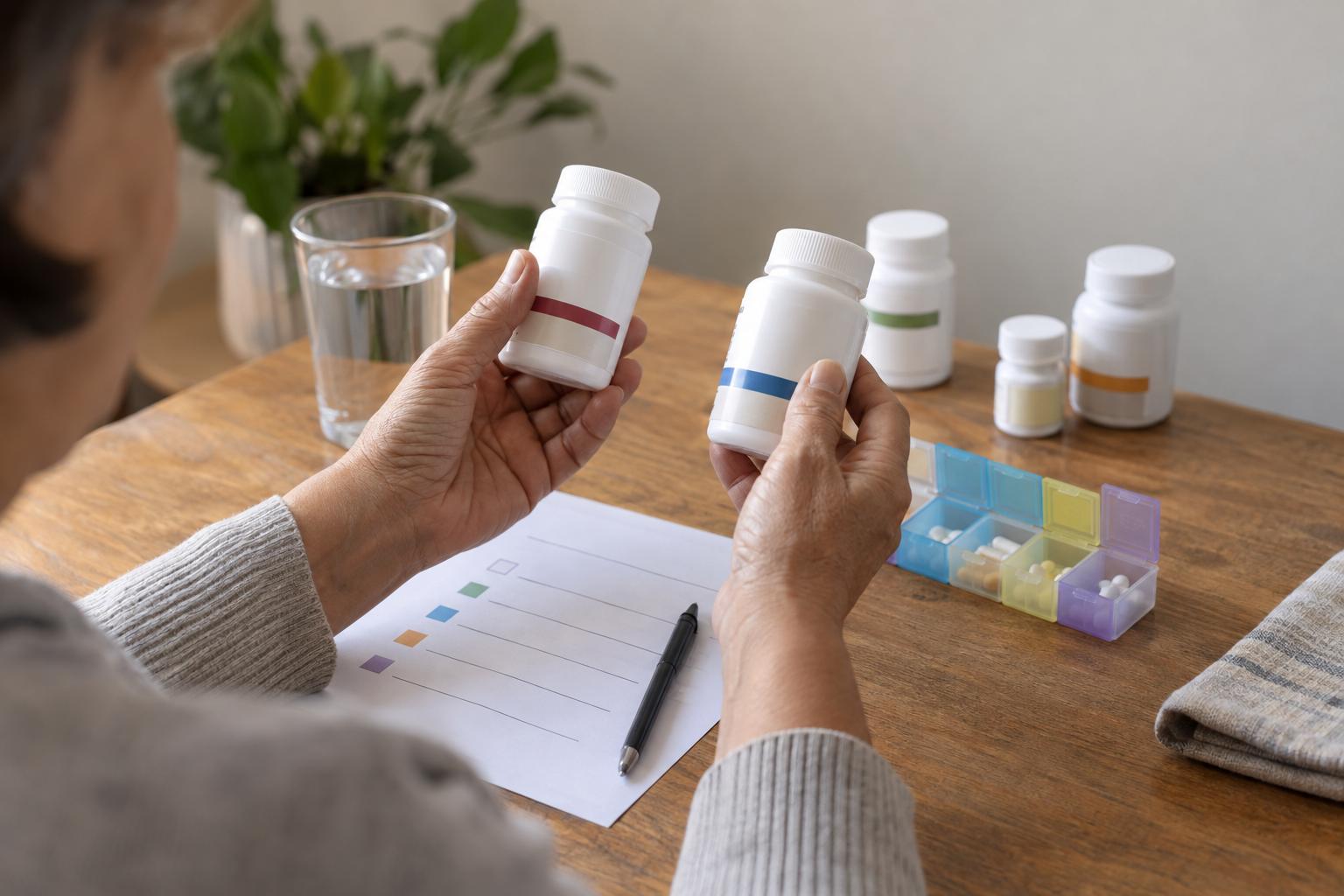
Report all medications and supplements you use, including those you take occasionally, and mention any recent changes. If you do not remember the name or dose, you can bring the containers or a list. Do not start, stop, or change treatments without consulting the health care professional who knows your case.
What can I ask about the test?
You can ask: “How should this result be interpreted alongside my health history and other tests?”, “Should it be confirmed?” and “What additional information would help us understand it?” Also ask whether circumstances at the time the sample was collected should be taken into account. The interpretation should consider the full context, not an isolated value.
When should I seek care sooner?
Ask what to do based on the result and your health circumstances. If you have severe, sudden, or worsening symptoms, seek medical care without waiting for a routine appointment. Do not try to address the situation on your own with supplements or medication changes.
Helpful points to clarify before your appointment
One isolated result does not identify which food or factor caused it, and you do not need to stop medications before consulting a professional. Previous results may provide context. Bringing available reports, a medication list, and specific questions can make for a more complete conversation.
When to seek medical care
If symptoms persist, test results are abnormal, or you have questions about medication, arrange an individual assessment. Do not change treatment or doses without medical guidance.
Frequently asked questions
Should I repeat the test before consulting a professional?
Not necessarily. Bring the report and ask whether it should be repeated or interpreted alongside other information. The decision depends on the result and your situation.
Should I change my diet or stop drinking alcohol before my appointment?
Discuss your current habits and any recent changes. Ask what recommendations are appropriate for you rather than making restrictive changes on your own.
Should I stop taking a medication that I think may be related to my triglycerides?
Do not stop or adjust it on your own. Report what you use and any recent changes so the health care professional can assess whether they are relevant.
Does this topic resonate with you?
Every case is different. Book a consultation to review your history, test results and goals with a personalized plan.
More articles about Cardiometabolic health and lipids

5 min de lectura
Publicado: 10 de noviembre de 2026 · Actualizado: 10 de noviembre de 2026
Swollen Ankles at the End of the Day: Clues Not to Blame on Cholesterol
High cholesterol does not usually cause visible ankle swelling. Learn about possible causes of edema, what signs to watch for, and when to seek medical care.

6 min de lectura
Publicado: 6 de noviembre de 2026 · Actualizado: 6 de noviembre de 2026
Everyday Pantry and Cooking: A Flexible Foundation for Managing Cholesterol and Triglycerides
Ideas for organizing grocery shopping, making the most of ingredients, and preparing everyday meals that support lipid management—without rigid diets.

5 min de lectura
Publicado: 31 de octubre de 2026 · Actualizado: 31 de octubre de 2026
It’s Not All About Diet: Everyday and Medical Factors That Also Affect Lipids
Diet is not the only relevant factor when interpreting a lipid panel. Learn which medications, health conditions, tobacco use, and sleep-related factors are worth mentioning during a review, and why they do not by themselves identify the cause of an abnormal result.

5 min de lectura
Publicado: 28 de octubre de 2026 · Actualizado: 28 de octubre de 2026
Beyond Standard Cholesterol Tests: When to Discuss ApoB and Lipoprotein(a)
ApoB and lipoprotein(a) may provide additional information alongside a lipid panel in some situations. Learn what they measure, when testing might be considered, and how results are interpreted together with your medical history.

6 min de lectura
Publicado: 25 de octubre de 2026 · Actualizado: 25 de octubre de 2026
High Cholesterol from a Young Age or Across Generations: When to Suspect a Familial Cause
Learn which family history, ages, and lipid panel results may prompt an evaluation for a possible hereditary cause of high cholesterol, and why no single finding confirms a diagnosis.
5 min de lectura
Publicado: 4 de octubre de 2026 · Actualizado: 4 de octubre de 2026
Cholesterol Medication: Timing, Dose, and Combination Mistakes You Can Prevent
What to do if you miss or may have repeated a dose, how to check the prescribed schedule, and when to ask for advice before combining or changing cholesterol medications.