Educational article
Returning Home After a Hospitalization: How to Organize Cholesterol and Triglyceride Follow-Up

Educational content. It does not replace an individual medical assessment and should not be used for self-medication.
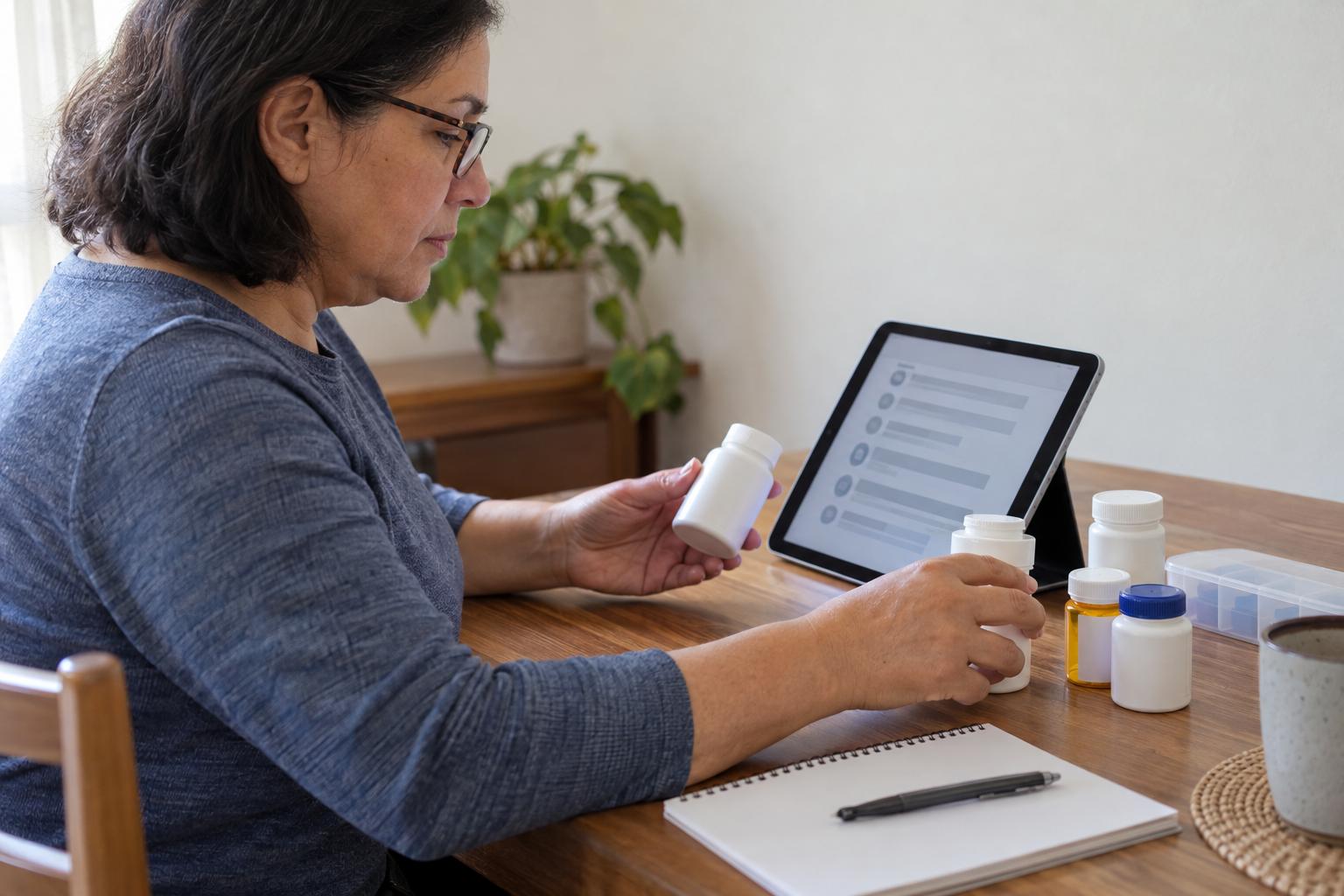
Should I go back to the treatment I used before my hospitalization?
Not necessarily. During a hospitalization, medications may be started, changed, or stopped for various reasons, and the discharge plan may differ from the plan you followed before. Follow the instructions you received. If the list does not match what you have at home or you do not understand a change, ask the team that discharged you or the professional coordinating your follow-up for clarification. Do not restart or stop medications on your own.
A change in your prescription does not necessarily mean there was an error
Some changes are intentional, but it is important to understand them. Compare your discharge medication list with the list you used before admission, and identify what was started, changed, or stopped. Note who recommended the change and what questions remain. If you need help reviewing the lists, consult a health care professional; do not resolve discrepancies by guessing.
What information should you gather?
Keep your discharge summary, current medication list, and, if available, the list from before your hospitalization on hand. Write down the names as they appear in the documents, the changes that were recommended, and any questions you still have. Also gather any lipid test results or other test results you were given.
When should I have my next lipid panel?
There is no single date that applies to everyone after a hospitalization. The timing depends on the reason for admission, the plan established, and any changes made. Confirm with your care team when the test is due, who will order it, and who will coordinate the outpatient appointment.
How to coordinate follow-up
Before your hospitalization ends or when you contact the team, confirm which medication changes are in effect, when your lipid levels will be reviewed, and who will continue your follow-up. If multiple care teams are involved in Colombia, ask which one is coordinating your care and how to share the discharge plan with that professional.
What should I do if I have a new or urgent symptom?
Follow the discharge instructions about warning signs. If you have a severe or sudden-onset symptom, or cannot clarify whether it needs immediate attention, seek urgent care through the available channels. Do not automatically attribute a new symptom to cholesterol or triglycerides; its cause requires clinical evaluation.
A guide for discussion, not for changing your treatment
This guide can help you organize documents and prepare questions, but it does not replace the individualized instructions from the team that discharged you. If there are discrepancies between those instructions, your prescription, and the medications available at home, ask for clarification before changing your treatment.
When to seek medical care
If symptoms persist, test results are abnormal, or you have questions about medication, arrange an individual assessment. Do not change treatment or doses without medical guidance.
Frequently asked questions
Can I resume the cholesterol medication I used before I was admitted?
Do not restart it automatically. Follow the discharge plan and ask your care team for clarification if there are differences or unclear instructions.
When should I have my next lipid panel?
Confirm the date with the team that discharged you or the person coordinating your follow-up. There is no universal timeframe for everyone after a hospitalization.
Does the follow-up appointment replace the discharge instructions?
No. The appointment allows you to continue and clarify the plan, but you should follow the individualized instructions you received at discharge and ask for guidance if there are discrepancies.
Does this topic resonate with you?
Every case is different. Book a consultation to review your history, test results and goals with a personalized plan.
More articles about Cardiometabolic health and lipids

5 min de lectura
Publicado: 10 de noviembre de 2026 · Actualizado: 10 de noviembre de 2026
Swollen Ankles at the End of the Day: Clues Not to Blame on Cholesterol
High cholesterol does not usually cause visible ankle swelling. Learn about possible causes of edema, what signs to watch for, and when to seek medical care.

6 min de lectura
Publicado: 6 de noviembre de 2026 · Actualizado: 6 de noviembre de 2026
Everyday Pantry and Cooking: A Flexible Foundation for Managing Cholesterol and Triglycerides
Ideas for organizing grocery shopping, making the most of ingredients, and preparing everyday meals that support lipid management—without rigid diets.

5 min de lectura
Publicado: 31 de octubre de 2026 · Actualizado: 31 de octubre de 2026
It’s Not All About Diet: Everyday and Medical Factors That Also Affect Lipids
Diet is not the only relevant factor when interpreting a lipid panel. Learn which medications, health conditions, tobacco use, and sleep-related factors are worth mentioning during a review, and why they do not by themselves identify the cause of an abnormal result.

5 min de lectura
Publicado: 28 de octubre de 2026 · Actualizado: 28 de octubre de 2026
Beyond Standard Cholesterol Tests: When to Discuss ApoB and Lipoprotein(a)
ApoB and lipoprotein(a) may provide additional information alongside a lipid panel in some situations. Learn what they measure, when testing might be considered, and how results are interpreted together with your medical history.

6 min de lectura
Publicado: 25 de octubre de 2026 · Actualizado: 25 de octubre de 2026
High Cholesterol from a Young Age or Across Generations: When to Suspect a Familial Cause
Learn which family history, ages, and lipid panel results may prompt an evaluation for a possible hereditary cause of high cholesterol, and why no single finding confirms a diagnosis.

5 min de lectura
Publicado: 4 de octubre de 2026 · Actualizado: 4 de octubre de 2026
Cholesterol Medication: Timing, Dose, and Combination Mistakes You Can Prevent
What to do if you miss or may have repeated a dose, how to check the prescribed schedule, and when to ask for advice before combining or changing cholesterol medications.