Educational article
Fatigue, Dizziness, or Headache: Why They Usually Don’t Reveal Your Cholesterol Levels

Educational content. It does not replace an individual medical assessment and should not be used for self-medication.
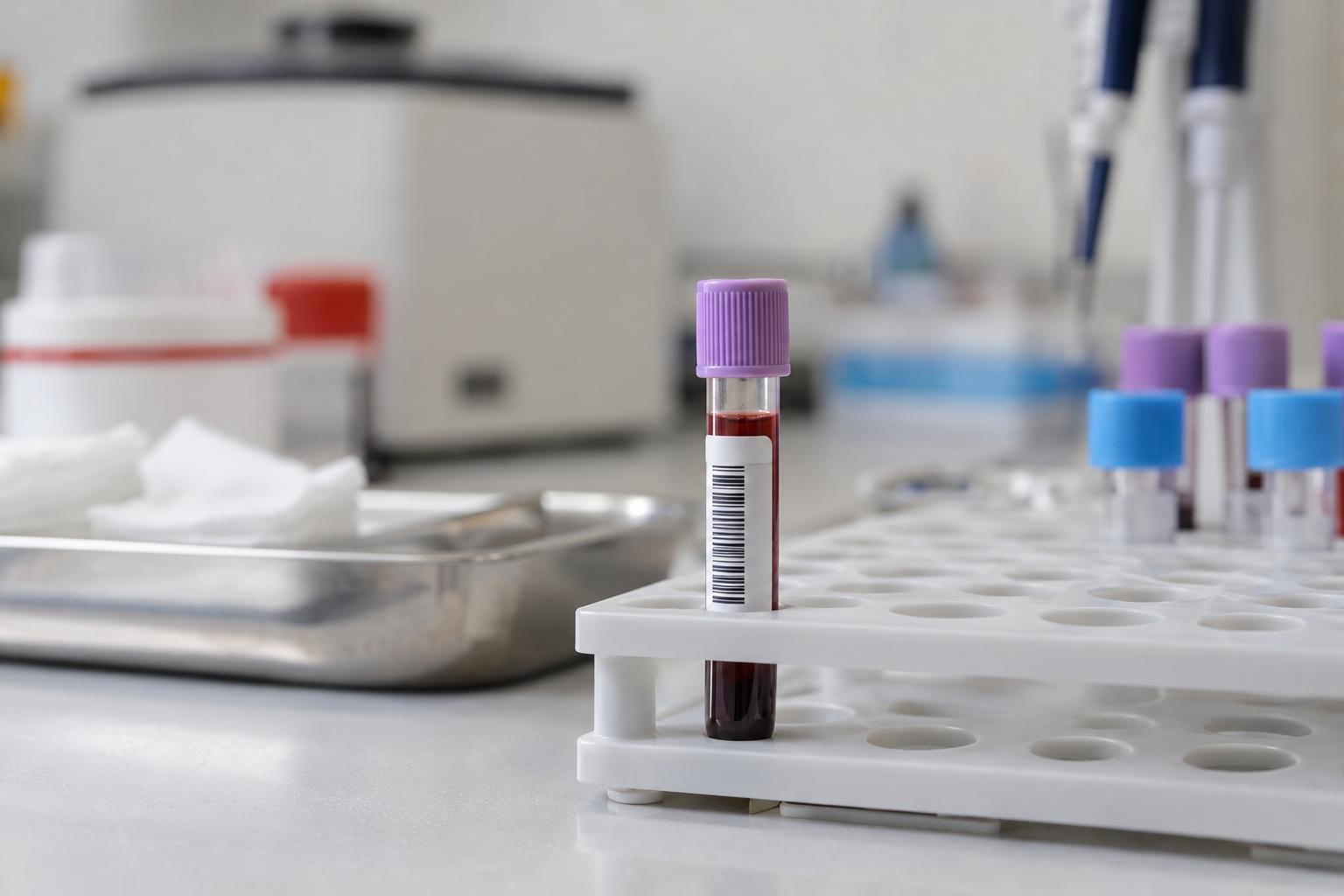
Do fatigue, dizziness, or headache indicate high cholesterol?
Generally, no. High cholesterol and elevated triglycerides usually do not cause signs that a person can recognize by how they feel. Fatigue, dizziness, or headache does not confirm that lipid levels are abnormal; feeling well also does not show whether they are at appropriate levels.
Common symptoms, many possible causes
Fatigue may be related to various health conditions, changes in sleep, stress, or other factors. Dizziness and headache also have many possible causes. Medical history and context help guide the evaluation; a symptom by itself does not identify its cause.
What tracking how symptoms change can tell you
Note whether the symptom persists, worsens, recurs, or interferes with your usual activities. This information may be useful when speaking with a health professional, although it does not measure cholesterol or triglycerides. Avoid automatically attributing every change to lipid levels.
How lipids are evaluated
A health professional may consider your personal and family medical history, clinical context, and other relevant factors. If appropriate, they may order a lipid panel, a blood test that measures cholesterol and triglycerides. The decision depends on each individual case; nonspecific symptoms alone are not enough to determine on your own whether you need the test.
Symptoms and lipid levels are separate questions
To investigate what is causing a symptom, the overall picture is evaluated. To find out cholesterol and triglyceride levels, tests are used when indicated. The presence or absence of fatigue, dizziness, or headache does not replace that evaluation.
When to seek a clinical evaluation
Consult a health professional if fatigue, dizziness, or headache persists, worsens, recurs, or affects your daily life. An evaluation may explore when the symptoms began, how they have changed, whether there are other symptoms, and your medical history. Do not self-medicate or start or change cholesterol treatments without professional guidance.
When to seek urgent care
Seek urgent care for severe chest pain, difficulty breathing, fainting, or sudden weakness or numbness on one side of the body, especially if these occur suddenly. Do not wait to attribute these signs to cholesterol or to see whether they go away on their own.
When to seek medical care
If symptoms persist, test results are abnormal, or you have questions about medication, arrange an individual assessment. Do not change treatment or doses without medical guidance.
Frequently asked questions
Can a headache confirm that I have high cholesterol?
No. Headaches can have many causes and do not reveal cholesterol or triglyceride levels. If a headache persists or affects your activities, consult a health professional for an evaluation.
If I feel well, does that mean my lipid levels are normal?
Not necessarily. Elevated levels usually do not cause recognizable symptoms. When it is appropriate to check them, they are evaluated with tests recommended by a health professional.
Should I request a lipid panel because I feel tired or dizzy?
There is no single answer. A health professional can consider your medical history and the overall picture to decide whether a lipid panel is appropriate.
Does this topic resonate with you?
Every case is different. Book a consultation to review your history, test results and goals with a personalized plan.
More articles about Cardiometabolic health and lipids

5 min de lectura
Publicado: 10 de noviembre de 2026 · Actualizado: 10 de noviembre de 2026
Swollen Ankles at the End of the Day: Clues Not to Blame on Cholesterol
High cholesterol does not usually cause visible ankle swelling. Learn about possible causes of edema, what signs to watch for, and when to seek medical care.

6 min de lectura
Publicado: 6 de noviembre de 2026 · Actualizado: 6 de noviembre de 2026
Everyday Pantry and Cooking: A Flexible Foundation for Managing Cholesterol and Triglycerides
Ideas for organizing grocery shopping, making the most of ingredients, and preparing everyday meals that support lipid management—without rigid diets.

5 min de lectura
Publicado: 31 de octubre de 2026 · Actualizado: 31 de octubre de 2026
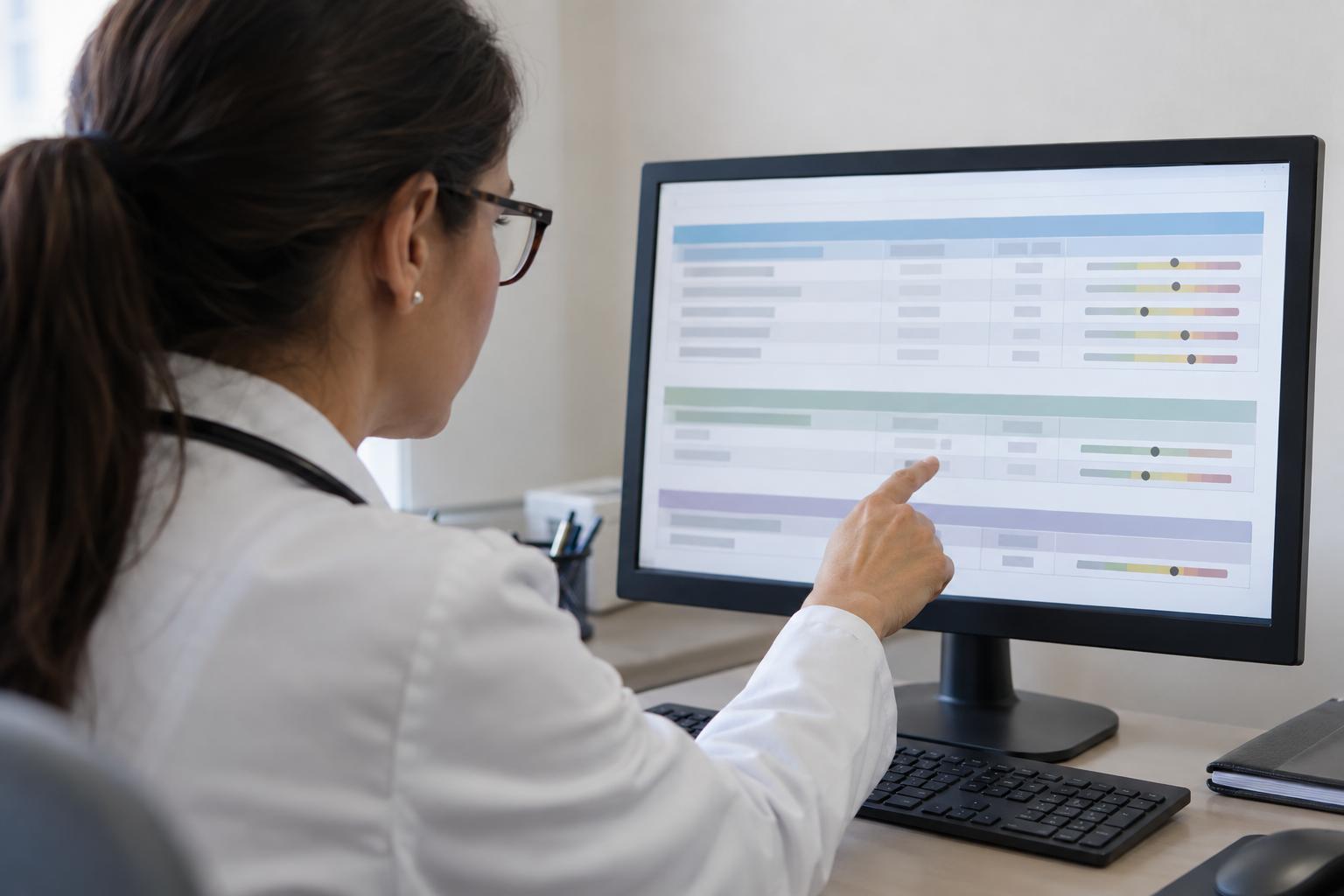
It’s Not All About Diet: Everyday and Medical Factors That Also Affect Lipids
Diet is not the only relevant factor when interpreting a lipid panel. Learn which medications, health conditions, tobacco use, and sleep-related factors are worth mentioning during a review, and why they do not by themselves identify the cause of an abnormal result.
5 min de lectura
Publicado: 28 de octubre de 2026 · Actualizado: 28 de octubre de 2026
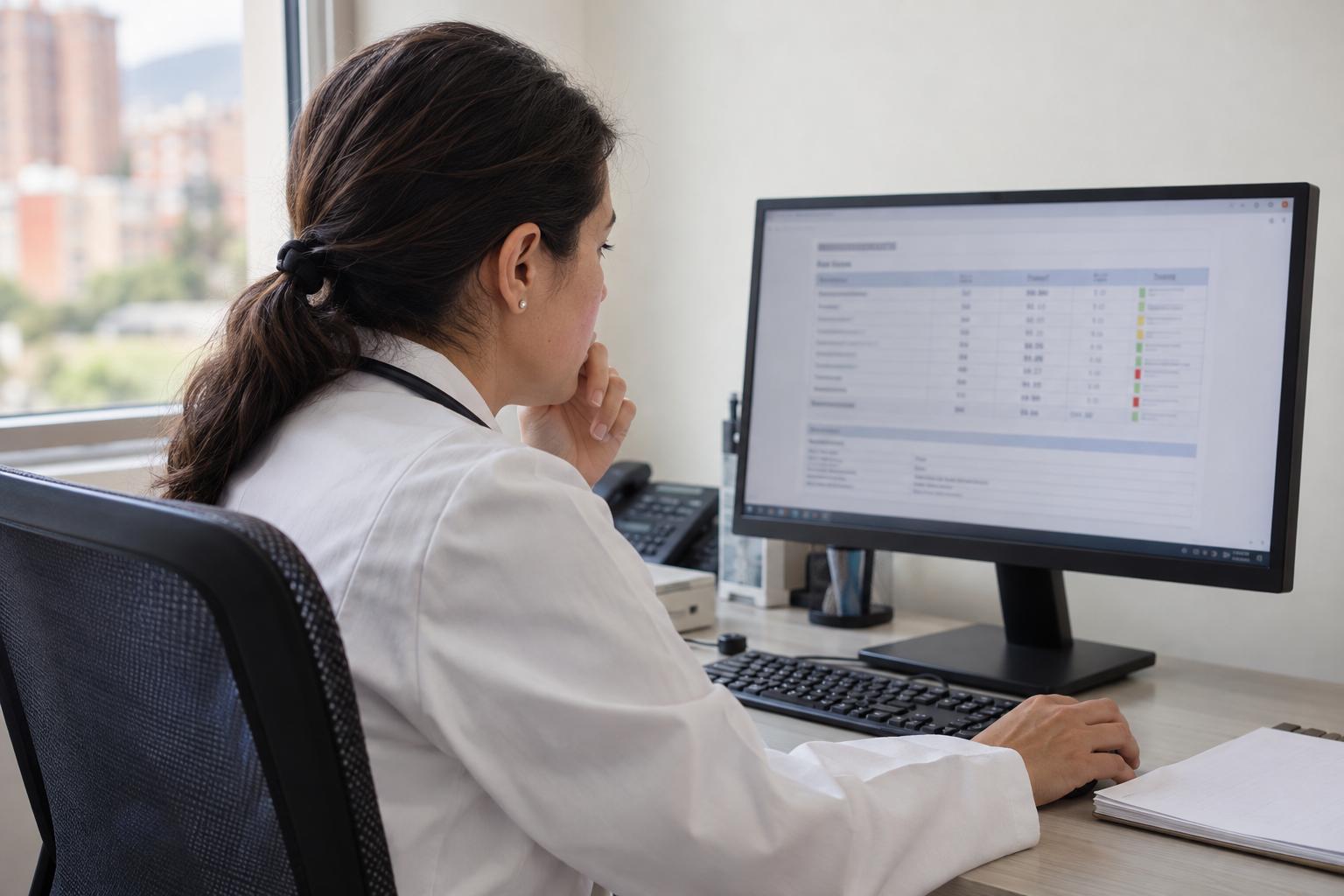
Beyond Standard Cholesterol Tests: When to Discuss ApoB and Lipoprotein(a)
ApoB and lipoprotein(a) may provide additional information alongside a lipid panel in some situations. Learn what they measure, when testing might be considered, and how results are interpreted together with your medical history.
6 min de lectura
Publicado: 25 de octubre de 2026 · Actualizado: 25 de octubre de 2026
High Cholesterol from a Young Age or Across Generations: When to Suspect a Familial Cause
Learn which family history, ages, and lipid panel results may prompt an evaluation for a possible hereditary cause of high cholesterol, and why no single finding confirms a diagnosis.

5 min de lectura
Publicado: 4 de octubre de 2026 · Actualizado: 4 de octubre de 2026
Cholesterol Medication: Timing, Dose, and Combination Mistakes You Can Prevent
What to do if you miss or may have repeated a dose, how to check the prescribed schedule, and when to ask for advice before combining or changing cholesterol medications.