Educational article
Essential Check-Ups to Prevent Complications in Diabetic Patients

Dr. Teresita Cortés Segura, medical reviewer
Author and medical review: Dra. Teresita del Niño Jesús Cortés Segura, endocrinologist.
Location: Bogotá, Colombia.
Published: July 10, 2026 · Updated: July 10, 2026 · 5 min read.
Educational content. It does not replace an individual medical assessment and should not be used for self-medication.

What is diabetes and why is monitoring important?
Diabetes is a chronic disease that affects how the body uses glucose. Regular monitoring is crucial to control glucose levels and prevent complications such as cardiovascular problems.
Complications associated with diabetes
Diabetes complications can be acute or chronic. The most common include cardiovascular problems, kidney damage, neuropathy, and eye complications, which can significantly affect quality of life.
Signs and symptoms of complications
It is essential to be alert to symptoms such as blurred vision, numbness in the extremities, excessive fatigue, and wounds that do not heal. These symptoms may indicate complications that require immediate medical attention.
Importance of diagnosis and monitoring
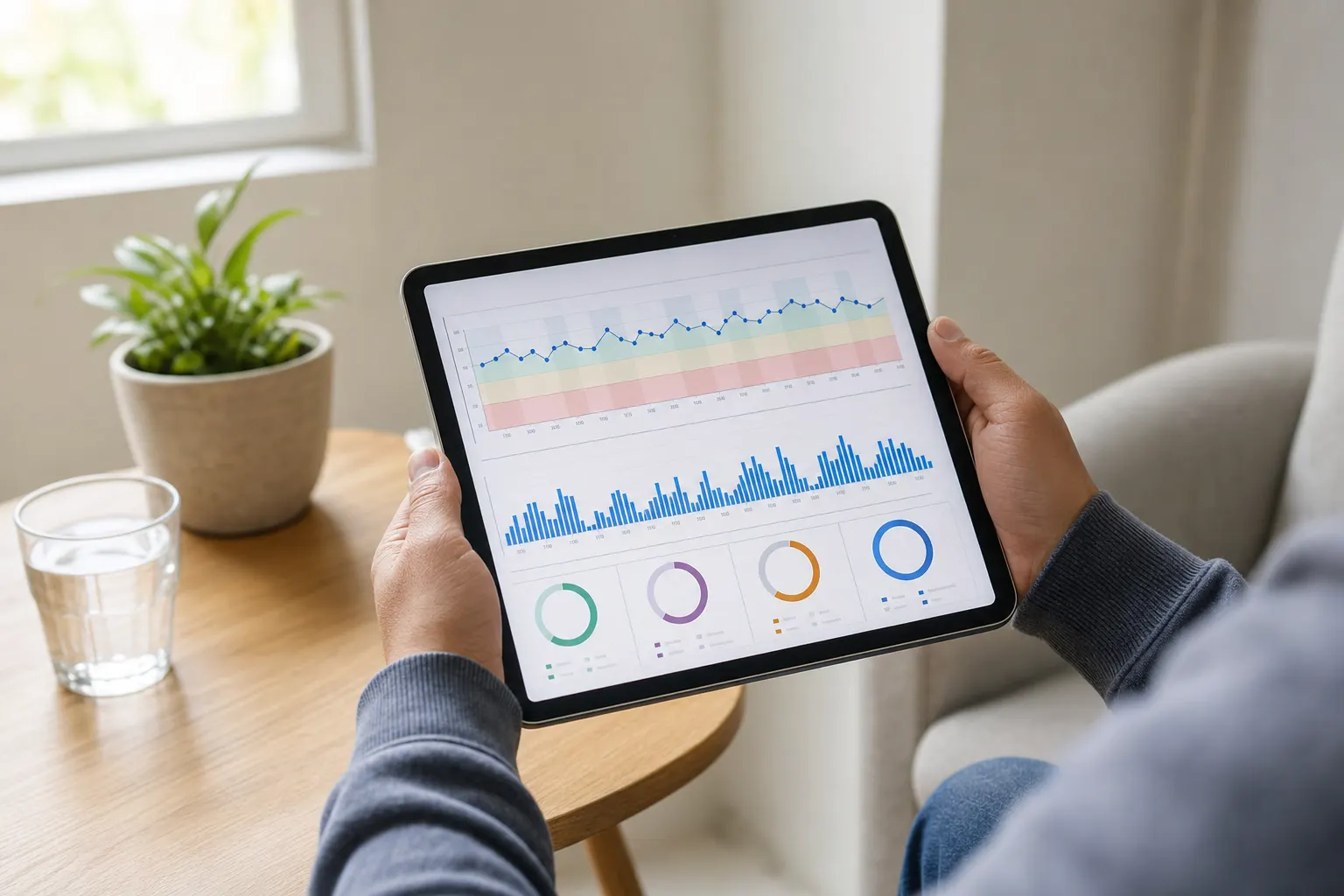
Early diagnosis and regular monitoring are vital. This includes glucose checks, blood pressure control, and cholesterol tests, which are essential to prevent complications.
Common mistakes in diabetes management
Some common mistakes include self-medicating, not following the dietary plan, and neglecting exercise. These errors can lead to poor diabetes control and increase the risk of complications.
When to consult a doctor?
It is advisable to consult an endocrinologist if unusual symptoms appear, there are changes in glucose levels, or if there is difficulty following the treatment.
When to seek medical care
If symptoms persist, test results are abnormal, or you have questions about medication, arrange an individual assessment. Do not change treatment or doses without medical guidance.
Frequently asked questions
How often should I have check-ups if I have diabetes?
It is recommended to have check-ups every 3 to 6 months, depending on the stability of glucose levels and your doctor's recommendations.
What types of tests are necessary for diabetes monitoring?
Tests include blood glucose measurements, hemoglobin A1c, cholesterol evaluation, and blood pressure checks.
How can I prevent complications if I have diabetes?
Maintaining a healthy lifestyle, following medical treatment, engaging in physical activity, and attending regular check-ups are key to preventing complications.
More articles about Diabetes

8 min de lectura
Publicado: 26 de septiembre de 2026 · Actualizado: 26 de septiembre de 2026
How to Maintain a Healthy Lifestyle to Prevent Diabetes Complications
Learn how a healthy lifestyle can help prevent complications such as neuropathy and retinopathy in people with diabetes, with practical advice and answers to common myths.

8 min de lectura
Publicado: 25 de septiembre de 2026 · Actualizado: 25 de septiembre de 2026
Managing Diabetes: Treatment Options and Realistic Expectations
This article explores treatment options for diabetes and sets realistic expectations for effective day-to-day management, especially in the context of Bogotá.
5 min de lectura
Publicado: 17 de septiembre de 2026 · Actualizado: 17 de septiembre de 2026
Preparing for Your Diabetes Medical Checkups: Practical and Effective Tips
Learn how to prepare for your diabetes medical checkups with practical and effective tips that will help you improve your health.

5 min de lectura
Publicado: 7 de agosto de 2026 · Actualizado: 7 de agosto de 2026
Diabetes: Differentiating Common and Less Common Symptoms You Should Know
Discover the most common and less common symptoms of diabetes to stay alert and seek appropriate help.

5 min de lectura
Publicado: 6 de agosto de 2026 · Actualizado: 6 de agosto de 2026
Altered Results in Diabetes: Understanding Their Impact and Next Steps
This article explores altered results in diabetes, their impact on health, and the steps to take for proper management.

5 min de lectura
Publicado: 19 de septiembre de 2026 · Actualizado: 19 de septiembre de 2026
Preventing Complications in Diabetes: Effective Strategies to Maintain Your Health
Learn effective strategies to prevent complications in diabetes and keep your health in optimal condition.