Educational article
Borderline Glucose or HbA1c: When Is Diabetes Confirmation Needed?

Educational content. It does not replace an individual medical assessment and should not be used for self-medication.
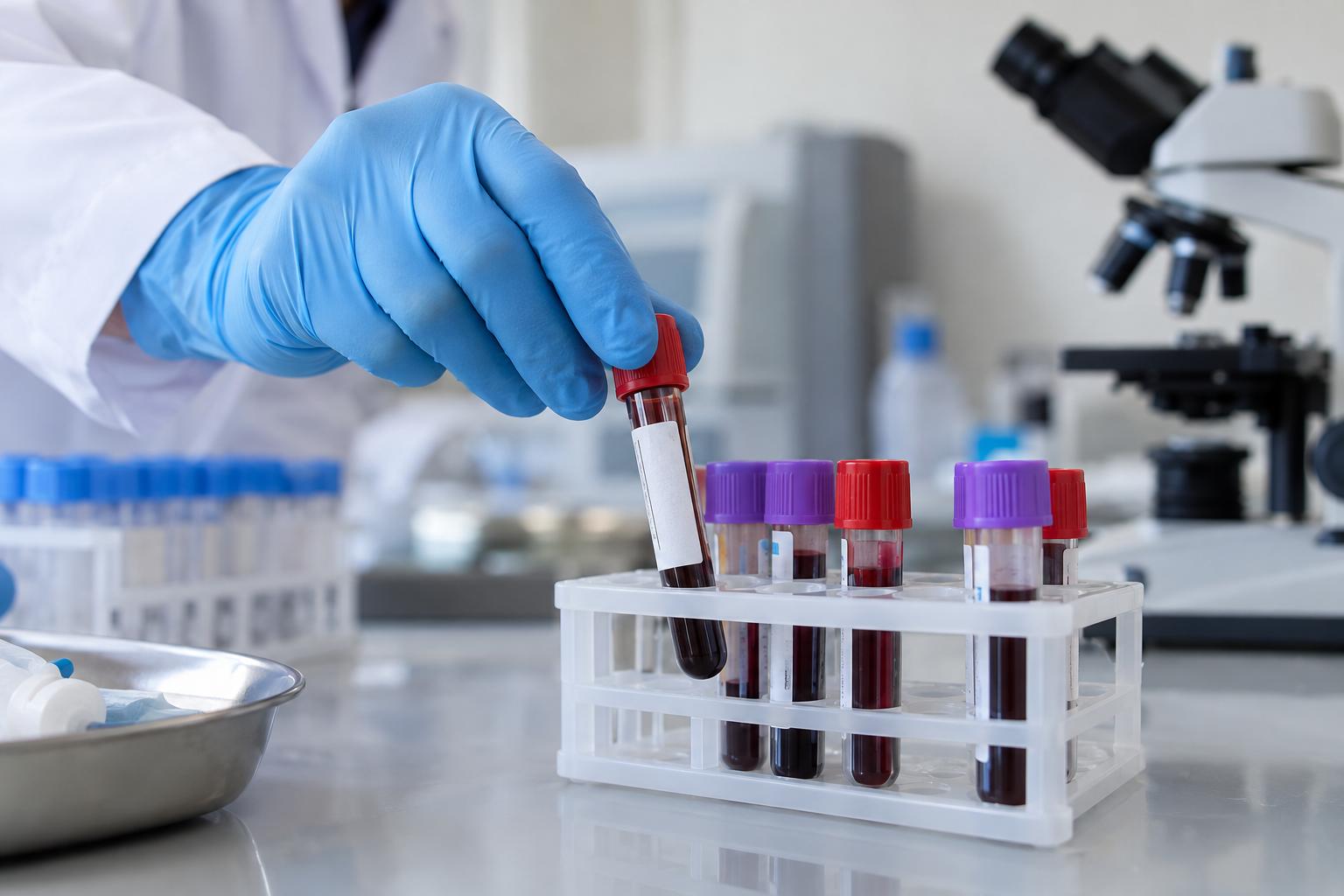
A result near the threshold needs context
A value near or above a diagnostic threshold does not always confirm diabetes on its own. Interpretation depends on which test was performed, the sample conditions, and your health history. In people without classic symptoms, an abnormal result is usually confirmed with another measurement. This guide can help you prepare for a conversation with a health professional; it does not replace a clinical evaluation. If you are very thirsty, urinating frequently, experiencing unexplained weight loss, or having other significant symptoms, seek guidance rather than waiting to repeat a test on your own.
Identify the test listed on your report
☐ Fasting plasma glucose: measures blood glucose after at least 8 hours without consuming calories. The usual diagnostic threshold for nonpregnant people is 126 mg/dL or higher. ☐ Hemoglobin A1c (HbA1c): estimates the proportion of hemoglobin bound to glucose and reflects approximately the average glucose level over the past two to three months. The usual threshold is 6.5% or higher. ☐ Oral glucose tolerance test: measures glucose two hours after drinking a standardized amount of glucose, following the specified protocol. The usual two-hour threshold is 200 mg/dL or higher. These cutoffs apply to specific tests and contexts. Do not directly compare figures from different tests or apply one test’s threshold to another. Pregnancy, for example, requires its own criteria.
Check the conditions under which the sample was collected
☐ Check the exact test name, result, units, and laboratory reference range. ☐ If it was a fasting glucose test, confirm whether you fasted for at least 8 hours and whether you consumed anything containing calories before the sample was collected. ☐ Note whether you had an infection, an acute illness, or a period of significant physical stress. These factors can affect glucose and are worth discussing. Do not try to alter the result by changing your diet or medications, and do not repeat the test without guidance. Your health professional will decide whether another measurement is needed and under what conditions.
Why a second measurement may be requested
In a person without classic symptoms, a result at or above the diagnostic threshold is usually confirmed with another abnormal measurement. Depending on the situation, the same test may be repeated or another appropriate diagnostic test may be used. If two tests give discordant results, your health professional may repeat the test that was above the threshold and assess the context. Confirmation is especially helpful when the value is near the threshold or there are questions about preparation or the sample. A borderline result cannot predict whether the next measurement will be normal or confirm a diagnosis on its own.
Factors that may affect HbA1c or glucose
HbA1c may be less reliable in some situations that affect red blood cells or hemoglobin, such as certain types of anemia, hemoglobin variants, recent bleeding or transfusion, and some medical conditions. Pregnancy requires its own criteria and interpretation. Glucose can vary because of fasting, acute illness, certain medications, and sample collection conditions. These factors do not mean the result should be ignored; they help determine whether the test adequately reflects your situation.
What information to bring to your appointment
☐ The complete report, including the date, test name, result, units, and reference range. ☐ Information about fasting and any difficulties during sample collection. ☐ A list of medications and supplements, including any recent changes. Do not stop or adjust treatments on your own. ☐ Relevant medical history, previous glucose or HbA1c results, and current or recent pregnancy, if applicable. ☐ Any symptoms you have and when they began. Having no symptoms does not, by itself, confirm or rule out the diagnosis.
Agree on the next steps
Ask whether the result needs to be confirmed, which test would be used, and when it would be appropriate to have it. The plan depends on the value, laboratory method, health history, and sample conditions. You can also confirm how and when you will receive an explanation of the result. Do not start, stop, or change medications based solely on a number or information from the internet. Continue prescribed treatments until you speak with the health professional caring for you. If you need an evaluation, an endocrinology professional in Bogotá can review the result alongside your medical history and determine appropriate next steps.
When to seek medical care
If symptoms persist, test results are abnormal, or you have questions about medication, arrange an individual assessment. Do not change treatment or doses without medical guidance.
Frequently asked questions
Does an HbA1c of 6.5% or a fasting glucose of 126 mg/dL immediately confirm diabetes?
These are usual diagnostic thresholds for those tests. In people without classic symptoms, an abnormal result generally needs to be confirmed with another measurement. Interpretation depends on the test and the clinical context.
Why might they repeat the glucose test instead of the HbA1c?
The choice depends on which result was abnormal, the sample conditions, and factors that may affect each test. Your health professional decides whether to repeat the same measurement or use another test.
What should I do while waiting for confirmation?
Keep the report and arrange to review it with a health professional. Bring information about fasting, symptoms, medical history, and treatments; do not change medications or repeat tests on your own.
Does this topic resonate with you?
Every case is different. Book a consultation to review your history, test results and goals with a personalized plan.
More articles about Diabetes
6 min de lectura
Publicado: 11 de noviembre de 2026 · Actualizado: 11 de noviembre de 2026
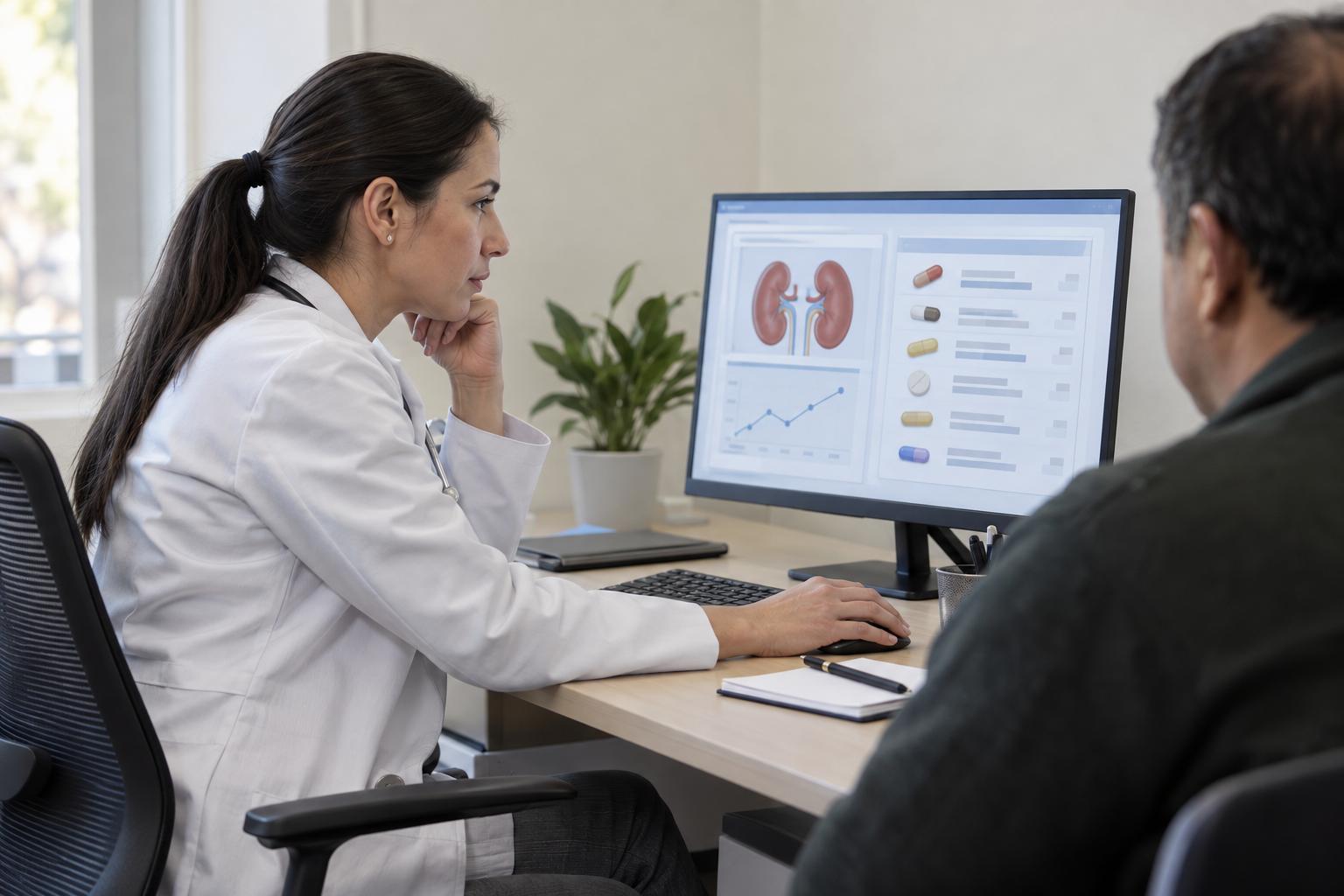
Diabetes and Heart and Kidney Health: What May Influence Medication Choices
When choosing diabetes medications, clinicians may consider blood glucose control, cardiovascular history, kidney function, possible side effects, and each person’s preferences.

5 min de lectura
Publicado: 27 de octubre de 2026 · Actualizado: 27 de octubre de 2026
Going Home After Giving Birth with Diabetes: Connecting Your Hospital Plan with Follow-Up Care
What to confirm before discharge if you have type 1 or type 2 diabetes: who will continue your care, which documents to keep, and how to prepare for your first follow-up visit.
6 min de lectura
Publicado: 23 de octubre de 2026 · Actualizado: 23 de octubre de 2026
Episodes After Eating or While Fasting: What to Record Before Evaluating Possible Hypoglycemia
A record of symptoms, meal times, activity, and available measurements can help describe intermittent episodes without assuming they are caused by low blood glucose.
6 min de lectura
Publicado: 4 de octubre de 2026 · Actualizado: 4 de octubre de 2026
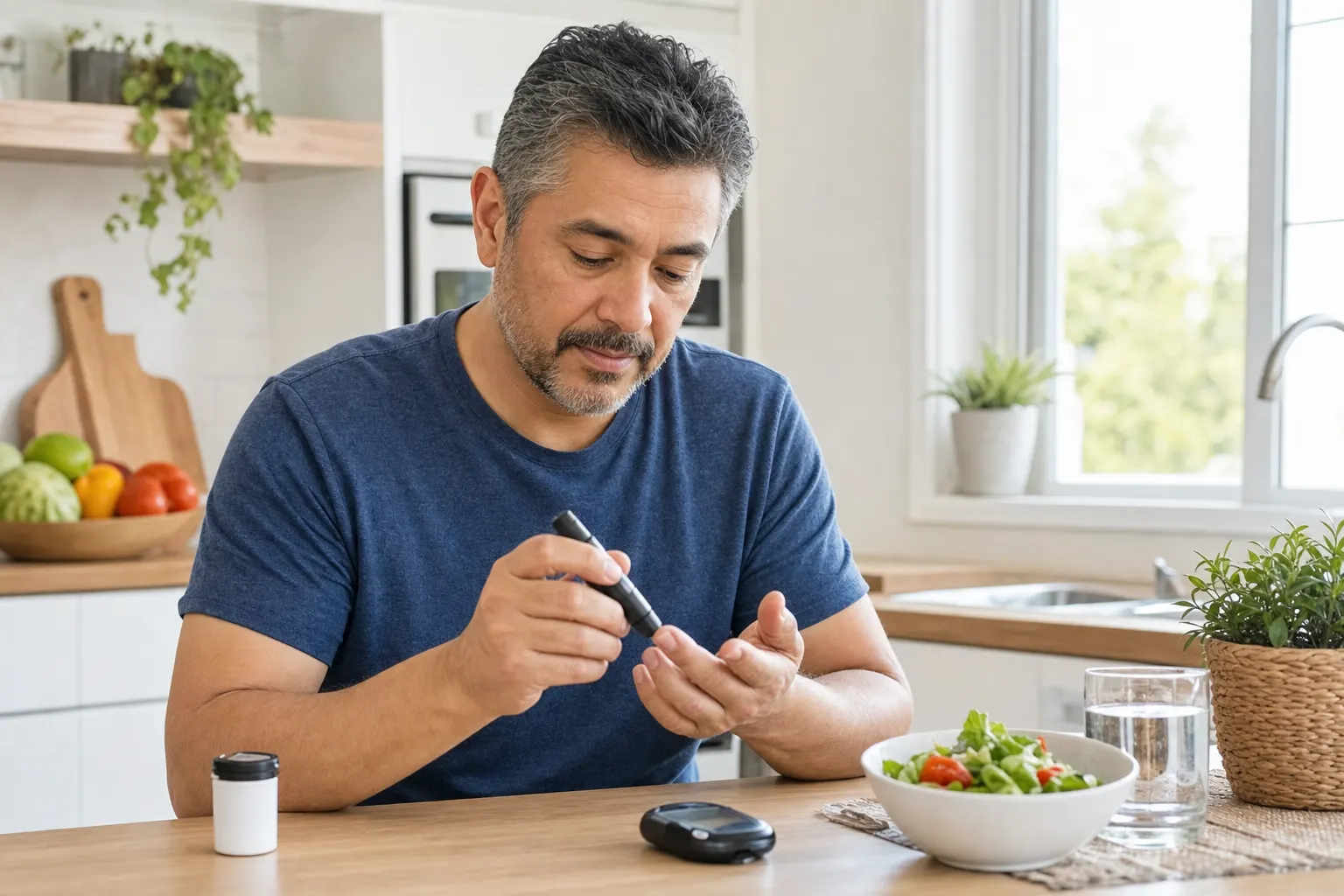
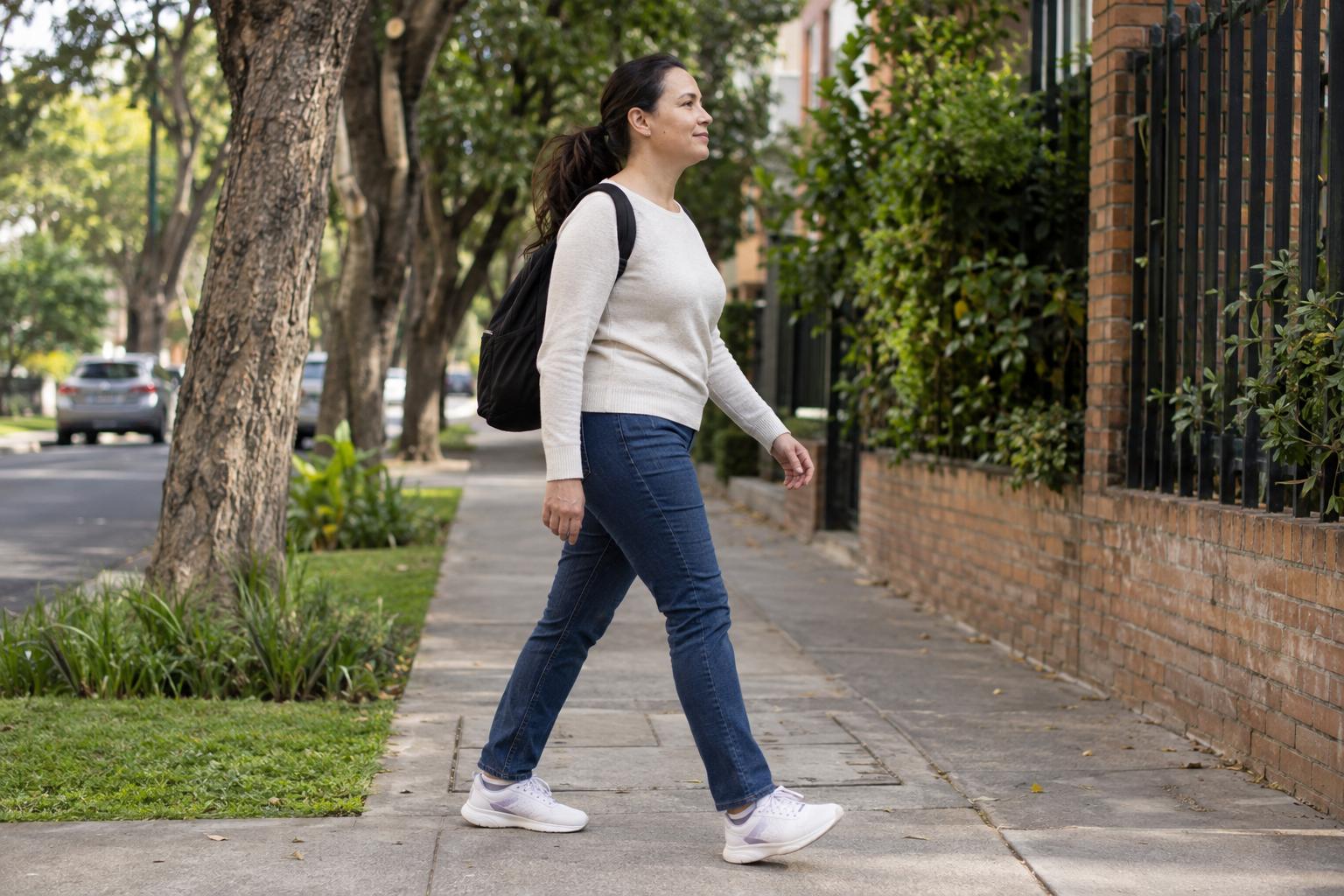
Everyday Strategies to Minimize Complications in Diabetes
Discover practical and effective strategies to prevent complications in diabetes and improve your quality of life in Bogotá.
5 min de lectura
Publicado: 29 de septiembre de 2026 · Actualizado: 29 de septiembre de 2026
Type 2 Diabetes Prevention: Which Risk Factors Can and Can’t Change
Learn which type 2 diabetes risk factors can be addressed and which cannot be changed. It may be possible to reduce risk, but this does not guarantee that the disease can be prevented.
5 min de lectura
Publicado: 17 de septiembre de 2026 · Actualizado: 17 de septiembre de 2026
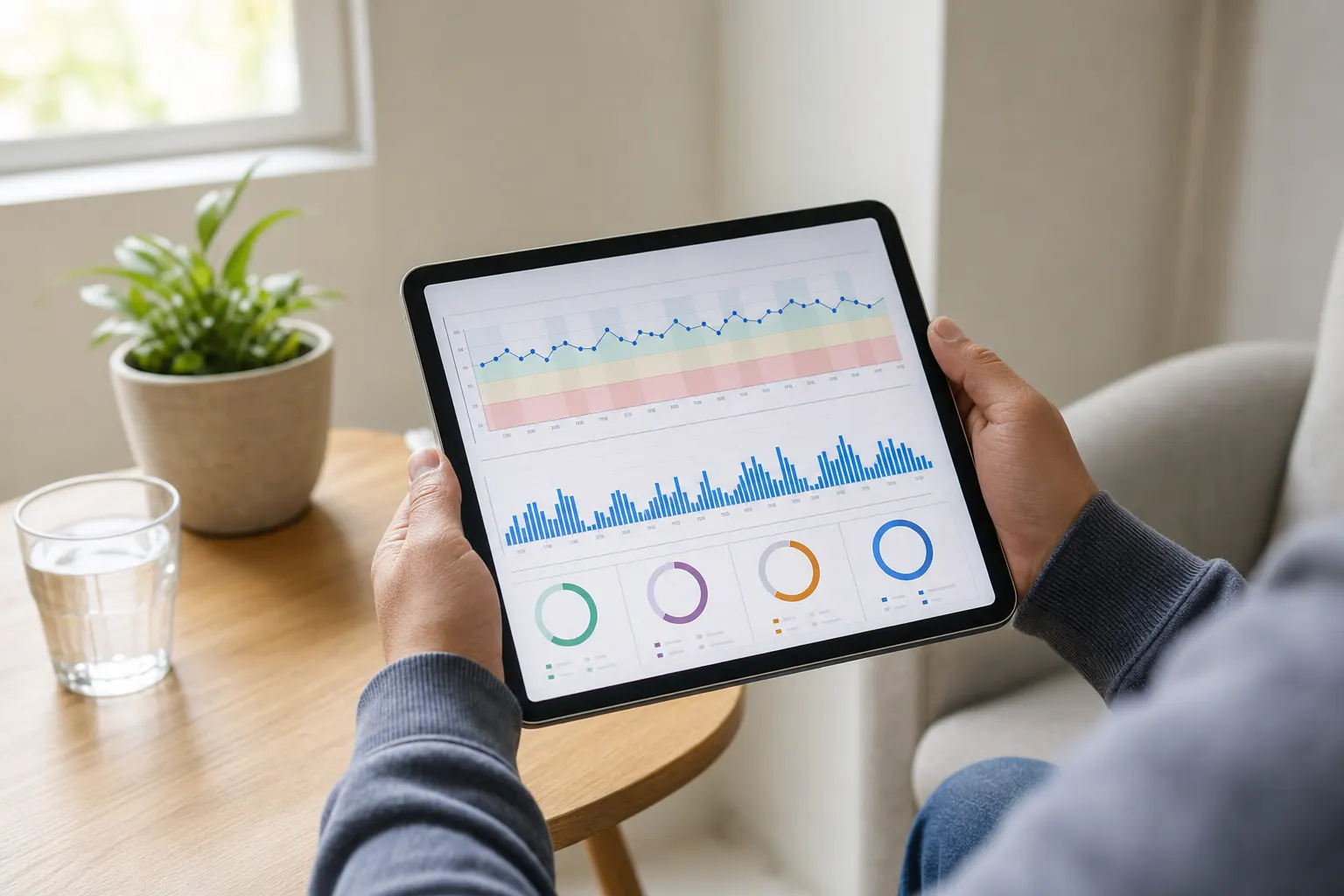
Preparing for Your Diabetes Medical Checkups: Practical and Effective Tips
Learn how to prepare for your diabetes medical checkups with practical and effective tips that will help you improve your health.