Educational article
Hypoglycemia: Recognition and Prevention

Dr. Teresita Cortés Segura, medical reviewer
Author and medical review: Dra. Teresita del Niño Jesús Cortés Segura, endocrinologist.
Location: Bogotá, Colombia.
Published: January 1, 2025 · Updated: April 21, 2026 · 6 min read.
Educational content. It does not replace an individual medical assessment and should not be used for self-medication.
Introduction
Low blood glucose can be frightening and sometimes unexpected. Understanding when it occurs, how it manifests in your case, and what triggers it is essential to regain confidence. Rather than applying general rules, the goal is to build a plan aligned with your real life and daily activities.
Recognizing Hypoglycemia
Hypoglycemia is a drop in glucose below what is expected for your clinical situation. It can present with sweating, trembling, palpitations, intense hunger, irritability, or confusion. Confirming the episode with measurement, when possible, helps differentiate it from other causes of discomfort.
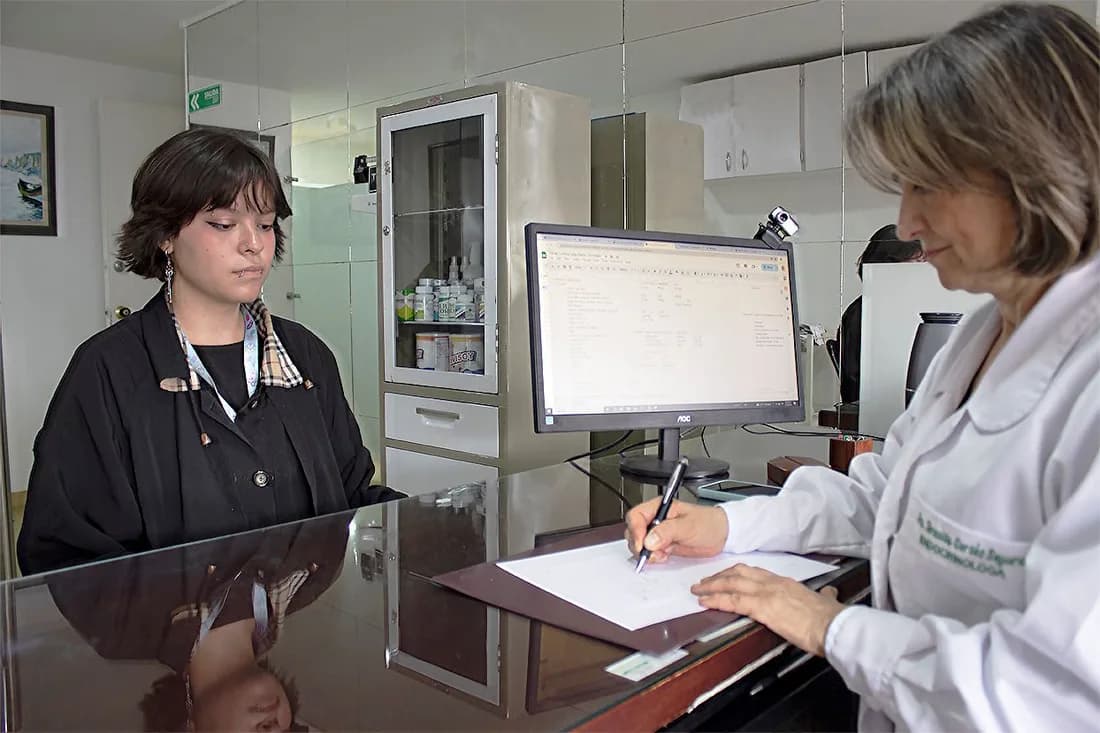
Common Causes
They are usually related to imbalances between medication, meals, exercise, or alcohol. Thresholds and symptoms vary between individuals and over time. Therefore, it is important to review the context of each episode during consultation.
Risks and Warning Signs
Repeated episodes can reduce symptom awareness and increase the risk of severe events. Identifying patterns, times, and triggers makes it easier to prevent new occurrences and regain safety.
Prevention
Planning meals and physical activity, and periodically reviewing your management plan with your healthcare team, reduces the risk of hypoglycemia. Avoid generic recommendations that do not consider your medical history, as they may be counterproductive.
Support and Follow-up
Patient and family education helps respond calmly and promptly. Regular follow-up allows adjustment of goals and reduces glucose variability. We will also establish clear channels to resolve doubts as they arise, without waiting for the problem to recur.
When to Consult
If episodes are repeated, unexpected, or severe, schedule an evaluation. Together we will define the appropriate steps so you can resume your activities with peace of mind.
When to seek medical care
If symptoms persist, test results are abnormal, or you have questions about medication, arrange an individual assessment. Do not change treatment or doses without medical guidance.
Frequently asked questions
How should I act?
Follow the plan agreed upon with your healthcare team for hypoglycemia episodes. Avoid unsupervised self-management.
More articles about Diabetes

8 min de lectura
Publicado: 26 de septiembre de 2026 · Actualizado: 26 de septiembre de 2026
How to Maintain a Healthy Lifestyle to Prevent Diabetes Complications
Learn how a healthy lifestyle can help prevent complications such as neuropathy and retinopathy in people with diabetes, with practical advice and answers to common myths.

8 min de lectura
Publicado: 25 de septiembre de 2026 · Actualizado: 25 de septiembre de 2026
Managing Diabetes: Treatment Options and Realistic Expectations
This article explores treatment options for diabetes and sets realistic expectations for effective day-to-day management, especially in the context of Bogotá.

5 min de lectura
Publicado: 17 de septiembre de 2026 · Actualizado: 17 de septiembre de 2026
Preparing for Your Diabetes Medical Checkups: Practical and Effective Tips
Learn how to prepare for your diabetes medical checkups with practical and effective tips that will help you improve your health.

5 min de lectura
Publicado: 7 de agosto de 2026 · Actualizado: 7 de agosto de 2026
Diabetes: Differentiating Common and Less Common Symptoms You Should Know
Discover the most common and less common symptoms of diabetes to stay alert and seek appropriate help.

5 min de lectura
Publicado: 6 de agosto de 2026 · Actualizado: 6 de agosto de 2026
Altered Results in Diabetes: Understanding Their Impact and Next Steps
This article explores altered results in diabetes, their impact on health, and the steps to take for proper management.

5 min de lectura
Publicado: 19 de septiembre de 2026 · Actualizado: 19 de septiembre de 2026
Preventing Complications in Diabetes: Effective Strategies to Maintain Your Health
Learn effective strategies to prevent complications in diabetes and keep your health in optimal condition.