Educational article
Episodes After Eating or While Fasting: What to Record Before Evaluating Possible Hypoglycemia

Educational content. It does not replace an individual medical assessment and should not be used for self-medication.
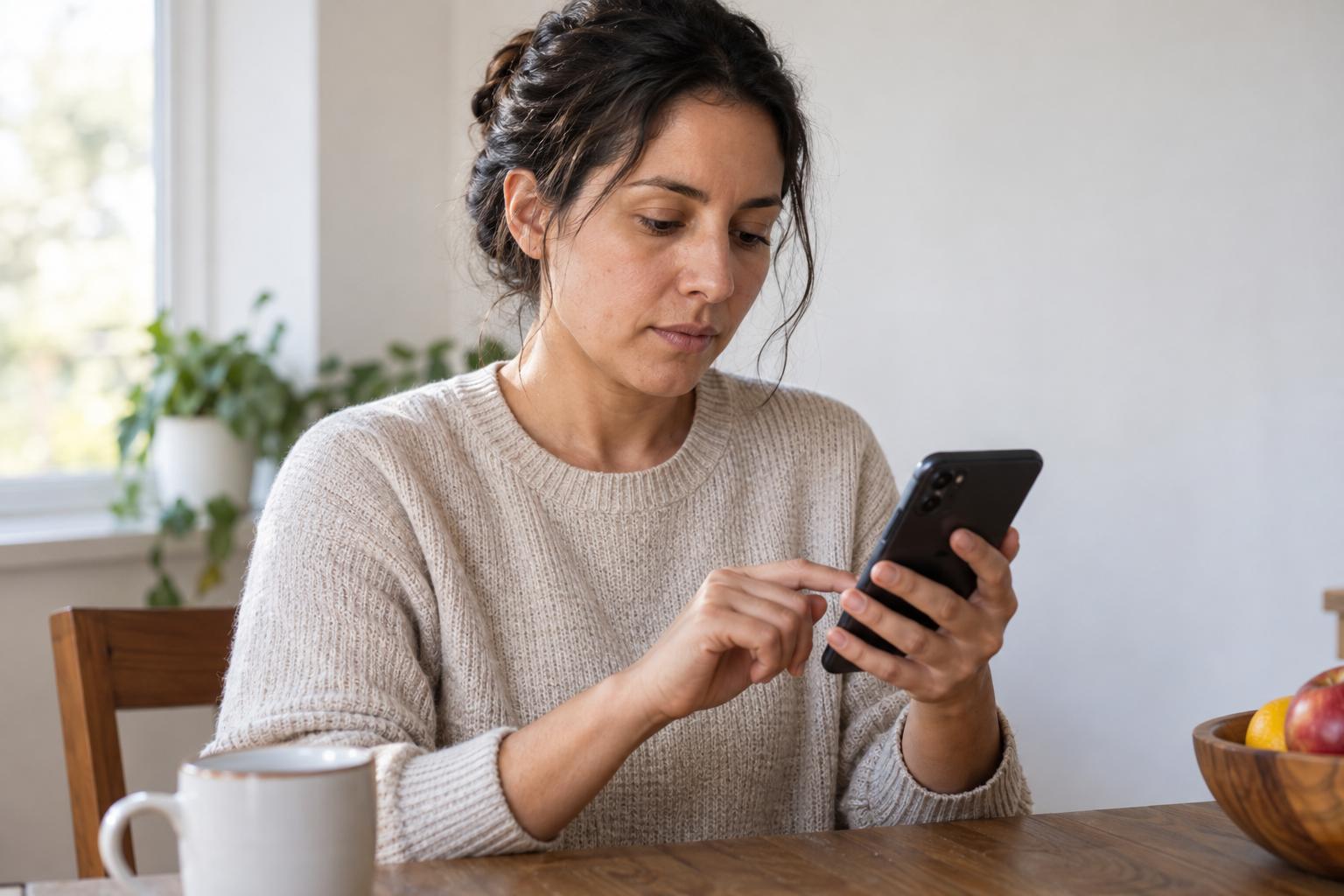
What episodes mean and why it helps to describe them
Trembling, sweating, hunger, weakness, palpitations, dizziness, or difficulty concentrating can occur at different times. By themselves, these symptoms do not prove that blood glucose is low and may also have other causes. For someone without diabetes, describing the episode and its context can help a health professional decide what may be appropriate to evaluate. The purpose of a log is to organize information, not to establish a diagnosis.
What to observe during an episode
Write down what you felt, when it began, and how long it lasted. Describe the symptoms in your own words and note whether they appeared suddenly or increased gradually. Record what you were doing and how the symptoms changed: whether they went away on their own, after resting, after eating or drinking something, or persisted. Feeling better after eating is useful information, but it does not identify the cause by itself.
A simple log, episode by episode
You can use a note on your phone or a sheet of paper. Include the start and end times; foods and drinks consumed and when; nearby physical activity or exertion; symptoms and their duration; how you recovered; and any available measurement, including the time, method, and circumstances. Specify whether the episode occurred several hours after eating or after going some time without eating, rather than summarizing it as “it happens after I eat.”
Medications, supplements, and recent changes
Bring a list of medications and supplements, how you usually take them, and any recent changes. Do not stop or change treatments on your own; discuss questions with the health professional who prescribed them. Also note recent changes in sleep, schedules, eating, or activity, as well as alcohol use or a recent illness. These details provide context, but none establishes a diagnosis on its own.
Measurements: how to record the ones you already have
If you have measurements available, note the time, the value exactly as displayed, the device used, and whether you had symptoms at that moment. A measurement taken during an episode can provide context, but you do not need to delay care or put yourself in an unsafe situation to obtain one. A single reading does not by itself confirm or rule out hypoglycemia; discuss with a health professional which measurements, if any, are relevant in your case.
What may help guide a clinical evaluation
During a visit, the health professional may review how often the episodes occur and their pattern, their timing in relation to meals, fasting, or activity, the symptoms, recovery, and any available measurements. Health history, medications and supplements, recent illnesses, and other examination findings are also important. Depending on the individual evaluation, the professional may recommend observation, measurements under specific circumstances, or supervised testing; not everyone needs the same tests.
How to avoid jumping to conclusions
An episode occurring after eating does not prove that the food caused it or confirm reactive hypoglycemia. Having symptoms after going some time without eating is also not enough to conclude that blood glucose is low. Avoid drawing conclusions from a single reading, changing medications, or restricting foods as a way to diagnose yourself. A log helps describe facts and patterns; a health professional interprets them in context.
When to seek care
Seek urgent care for fainting, seizures, marked confusion, or difficulty waking. Chest pain or difficulty breathing also requires urgent care. Do not wait to measure your blood glucose or complete the log. If episodes recur, worsen, interfere with your activities, or concern you, request a professional evaluation and bring any notes you have. This information does not replace a medical consultation.
When to seek medical care
If symptoms persist, test results are abnormal, or you have questions about medication, arrange an individual assessment. Do not change treatment or doses without medical guidance.
Frequently asked questions
Does feeling better after eating mean I had hypoglycemia?
Not necessarily. The timing and subsequent improvement are useful details to share, but they do not confirm that your blood glucose was low or explain the cause by themselves.
Should I buy a continuous glucose monitor to record the episodes?
It is not a diagnostic requirement for everyone without diabetes. Ask a health professional whether any measurement would be relevant in your case, and avoid interpreting isolated readings as a diagnosis.
What should I bring to my appointment if I did not measure my blood glucose?
Bring whatever timeline you can reconstruct: meal and drink times, activity, symptoms, duration, recovery, and medications or supplements. Not having a measurement does not prevent you from discussing the episodes or deciding on next steps.
Does this topic resonate with you?
Every case is different. Book a consultation to review your history, test results and goals with a personalized plan.
More articles about Diabetes
6 min de lectura
Publicado: 11 de noviembre de 2026 · Actualizado: 11 de noviembre de 2026
Diabetes and Heart and Kidney Health: What May Influence Medication Choices
When choosing diabetes medications, clinicians may consider blood glucose control, cardiovascular history, kidney function, possible side effects, and each person’s preferences.
6 min de lectura
Publicado: 4 de noviembre de 2026 · Actualizado: 4 de noviembre de 2026
Borderline Glucose or HbA1c: When Is Diabetes Confirmation Needed?
What fasting glucose, HbA1c, and oral glucose tolerance thresholds mean, when an abnormal result is usually confirmed, and which factors may affect interpretation.
5 min de lectura
Publicado: 27 de octubre de 2026 · Actualizado: 27 de octubre de 2026
Going Home After Giving Birth with Diabetes: Connecting Your Hospital Plan with Follow-Up Care
What to confirm before discharge if you have type 1 or type 2 diabetes: who will continue your care, which documents to keep, and how to prepare for your first follow-up visit.
6 min de lectura
Publicado: 4 de octubre de 2026 · Actualizado: 4 de octubre de 2026
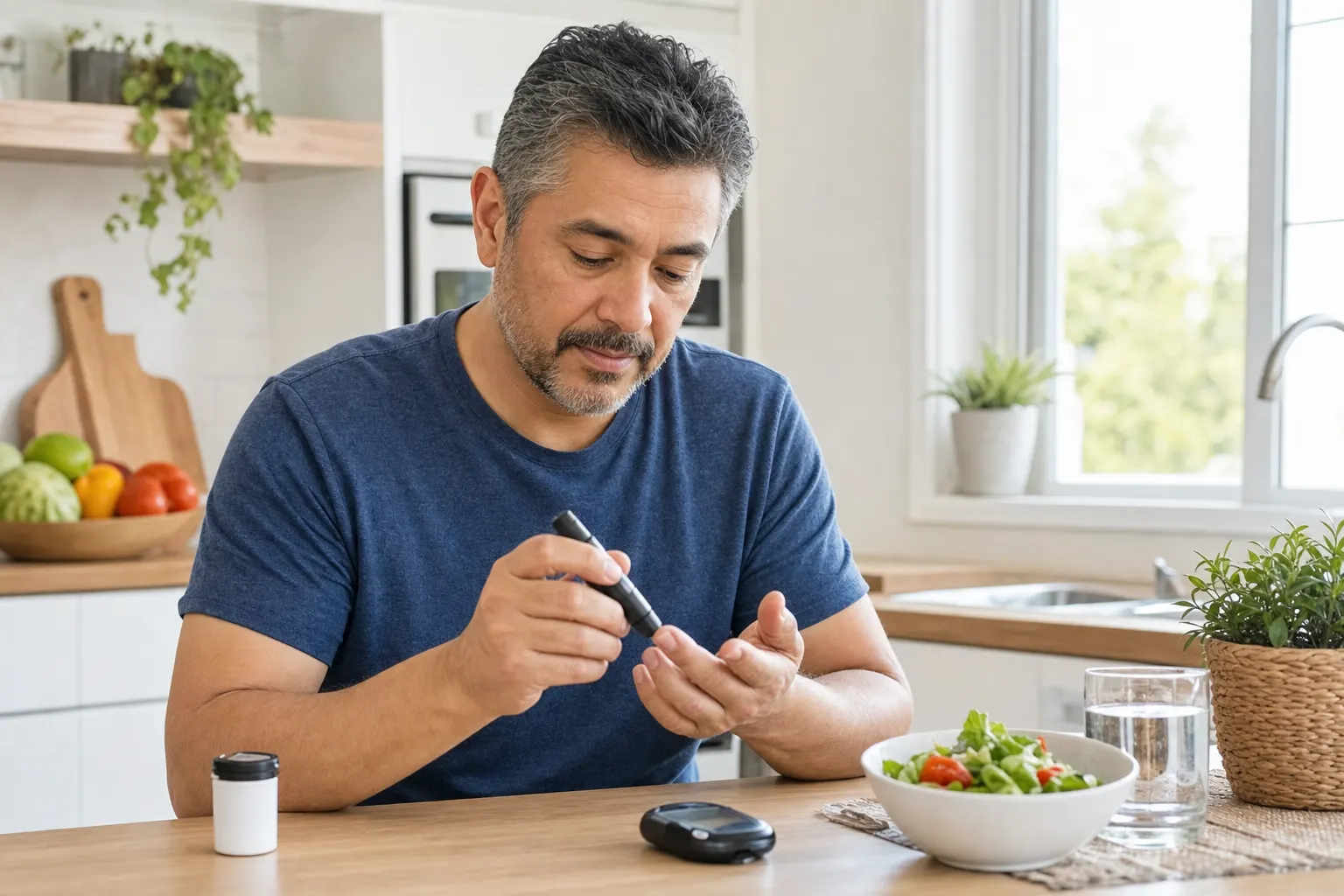
Everyday Strategies to Minimize Complications in Diabetes
Discover practical and effective strategies to prevent complications in diabetes and improve your quality of life in Bogotá.
5 min de lectura
Publicado: 29 de septiembre de 2026 · Actualizado: 29 de septiembre de 2026
Type 2 Diabetes Prevention: Which Risk Factors Can and Can’t Change
Learn which type 2 diabetes risk factors can be addressed and which cannot be changed. It may be possible to reduce risk, but this does not guarantee that the disease can be prevented.
5 min de lectura
Publicado: 17 de septiembre de 2026 · Actualizado: 17 de septiembre de 2026
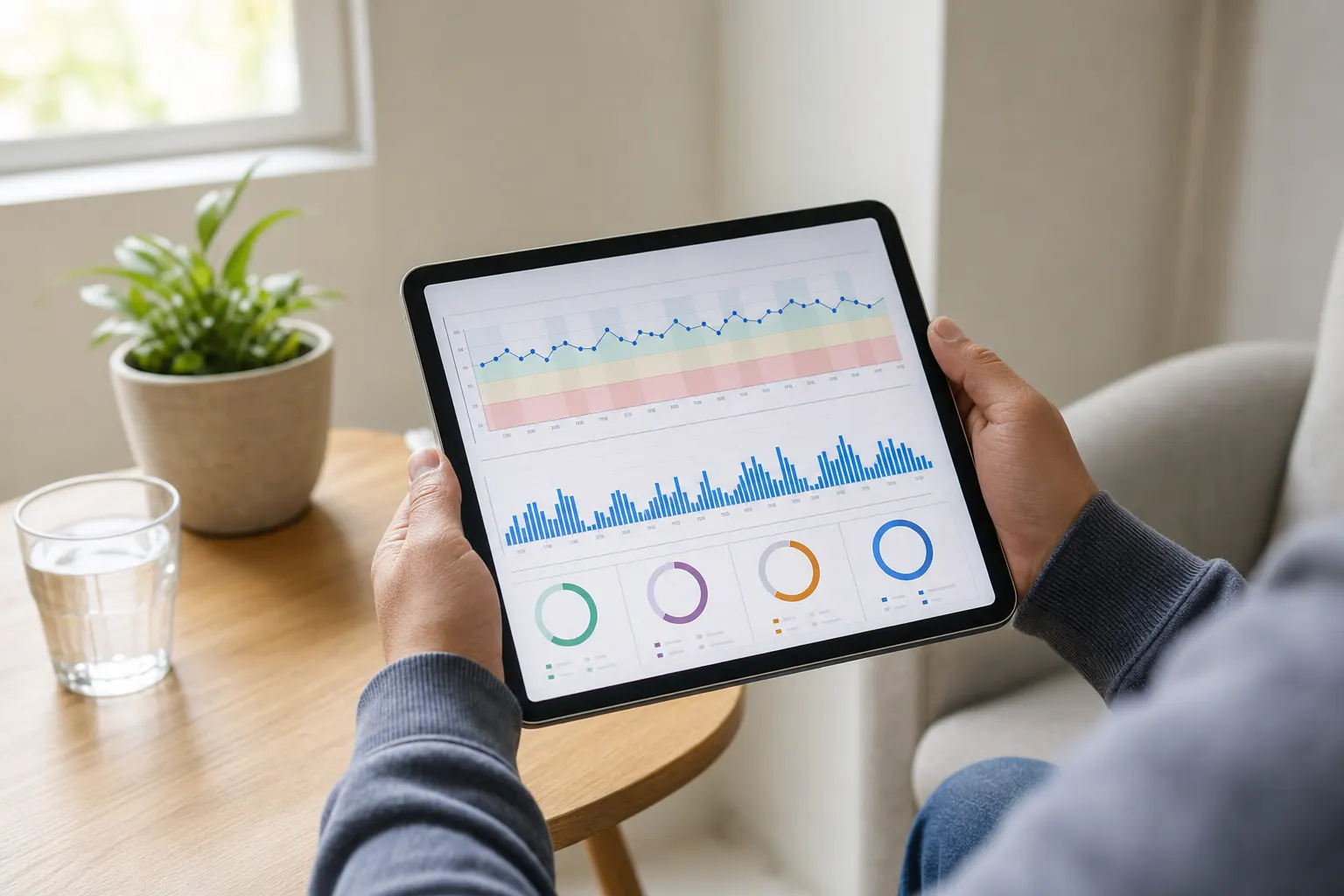
Preparing for Your Diabetes Medical Checkups: Practical and Effective Tips
Learn how to prepare for your diabetes medical checkups with practical and effective tips that will help you improve your health.