Educational article
Diabetes and Scheduled Surgery: How to Arrive at Your Appointment with Key Information

Educational content. It does not replace an individual medical assessment and should not be used for self-medication.

Why it helps to prepare for your evaluation
Before scheduled surgery, the diabetes, surgery, and anesthesia teams may need to coordinate diabetes management. Bringing up-to-date information helps them review the plan and clarify who can answer each question. Preparing can make the conversation easier, but it does not guarantee that complications will be avoided.
Organize information about your treatment
Bring an up-to-date list of your medications, including doses and schedules, such as insulin and other diabetes medications. Note any recent changes, and do not change your treatment on your own for the appointment. Even if some information may be available through other services, it is not always up to date or available to every team.
Share any recent records you have
If you track your blood glucose, bring your records or ask how best to share them. Note any recent episodes of hypoglycemia, how you recognized them, and any significant changes from your usual readings. You do not need to interpret the data; the team will assess it in context.
Clarify fasting and medications before the procedure
Instructions depend on the person, the treatment, and the procedure. Tell the team what fasting instructions you received and ask who will give you instructions about your medications and when they will confirm them. Do not stop or adjust insulin or other medications on your own; ask your care team for guidance.
Gather useful reports and contact information
If available, bring recent reports that provide context about your treatment or clinical decisions, as well as contact information for the teams involved in your care. Any written orders or instructions you received may help with reviewing the plan. If you are missing a document, ask which information is most important.
Questions to write down and bring with you
You can ask: Who coordinates the diabetes plan around the procedure? Whom should I contact if I receive different instructions about fasting or medications? When should I confirm the instructions about my treatment? What changes or information should I report before the scheduled date? Clarify any questions before changing a treatment plan.
If the instructions are unclear
Contact the team that arranged the procedure and ask who coordinates the plan with surgery, anesthesia, and the diabetes team. If the instructions about fasting or medications seem contradictory, ask the teams to confirm them with one another before you act.
Preparation does not replace medical instructions
Organizing medications, records, reports, and questions can help you make the most of your preoperative evaluation. The plan for each medication should be agreed on with your care team based on your situation and the planned procedure; this guide does not replace instructions from your surgeon, anesthesiologist, or diabetes team.
When to seek medical care
If symptoms persist, test results are abnormal, or you have questions about medication, arrange an individual assessment. Do not change treatment or doses without medical guidance.
Frequently asked questions
Should I stop insulin or other medications before the appointment?
Do not make changes on your own. Bring information about your treatment and confirm with your medical team whether any adjustment is needed for the procedure.
What should I do if I have not yet received instructions about fasting?
Contact the team that arranged the surgery and ask who can provide and confirm the instructions. Also clarify how any instructions about your diabetes medications will be coordinated.
Do I need to bring reports from previous appointments?
Not necessarily. If you have recent reports about your treatment or clinical changes, they may provide useful context. Ask the team which documents are most important.
Does this topic resonate with you?
Every case is different. Book a consultation to review your history, test results and goals with a personalized plan.
More articles about Diabetes

6 min de lectura
Publicado: 11 de noviembre de 2026 · Actualizado: 11 de noviembre de 2026
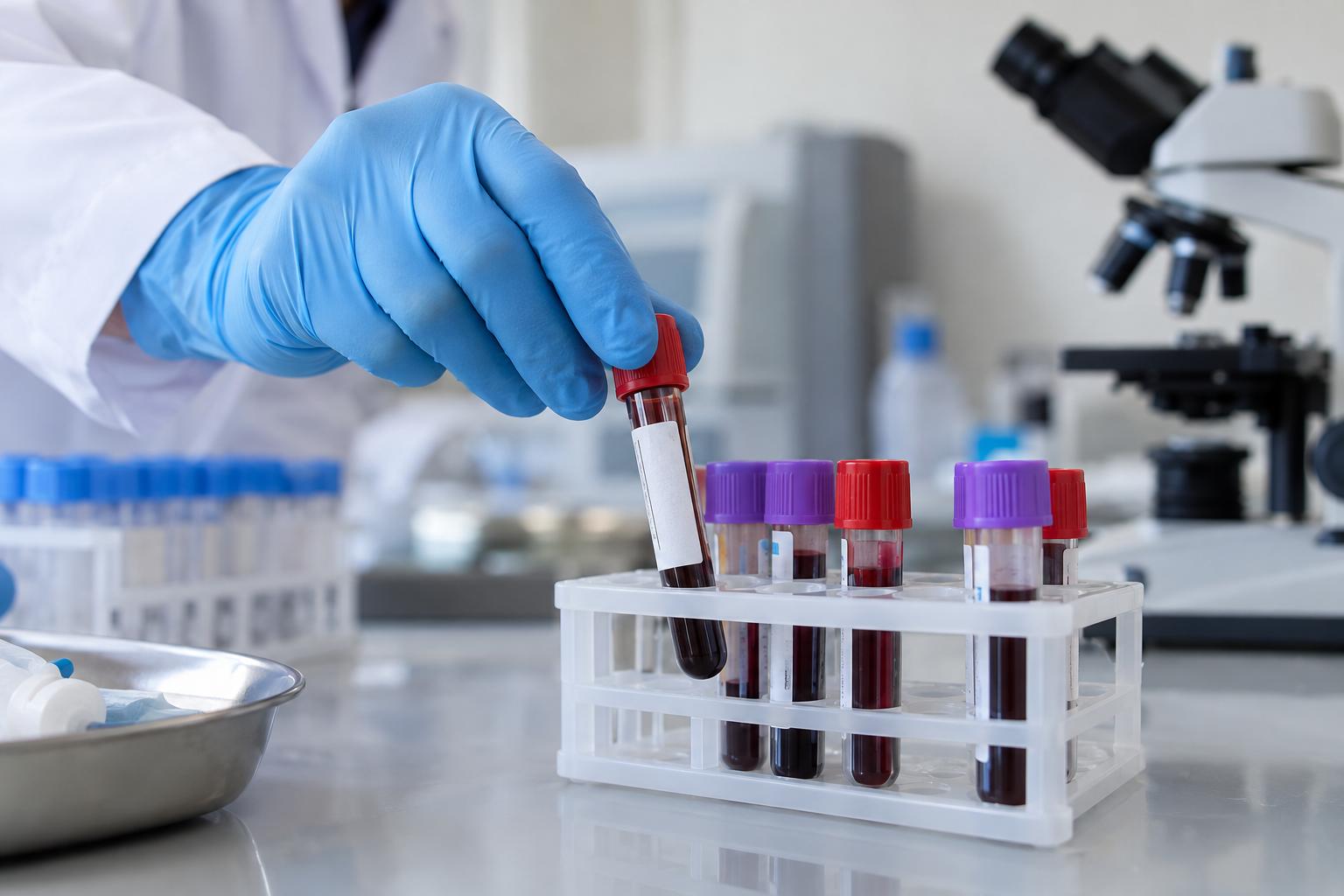
Diabetes and Heart and Kidney Health: What May Influence Medication Choices
When choosing diabetes medications, clinicians may consider blood glucose control, cardiovascular history, kidney function, possible side effects, and each person’s preferences.
6 min de lectura
Publicado: 4 de noviembre de 2026 · Actualizado: 4 de noviembre de 2026
Borderline Glucose or HbA1c: When Is Diabetes Confirmation Needed?
What fasting glucose, HbA1c, and oral glucose tolerance thresholds mean, when an abnormal result is usually confirmed, and which factors may affect interpretation.

5 min de lectura
Publicado: 27 de octubre de 2026 · Actualizado: 27 de octubre de 2026
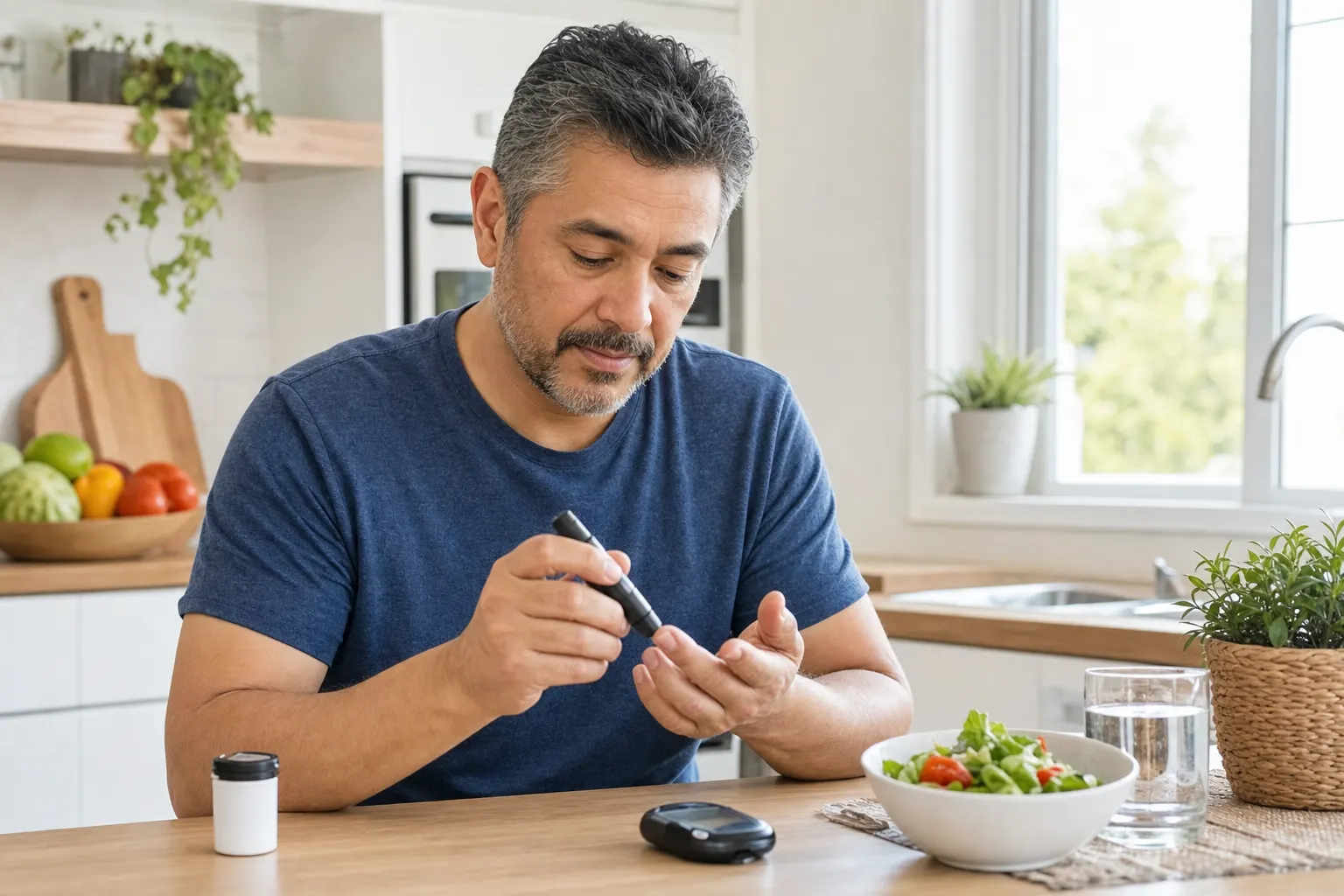
Going Home After Giving Birth with Diabetes: Connecting Your Hospital Plan with Follow-Up Care
What to confirm before discharge if you have type 1 or type 2 diabetes: who will continue your care, which documents to keep, and how to prepare for your first follow-up visit.
6 min de lectura
Publicado: 4 de octubre de 2026 · Actualizado: 4 de octubre de 2026
Everyday Strategies to Minimize Complications in Diabetes
Discover practical and effective strategies to prevent complications in diabetes and improve your quality of life in Bogotá.

5 min de lectura
Publicado: 29 de septiembre de 2026 · Actualizado: 29 de septiembre de 2026
Type 2 Diabetes Prevention: Which Risk Factors Can and Can’t Change
Learn which type 2 diabetes risk factors can be addressed and which cannot be changed. It may be possible to reduce risk, but this does not guarantee that the disease can be prevented.

5 min de lectura
Publicado: 17 de septiembre de 2026 · Actualizado: 17 de septiembre de 2026
Preparing for Your Diabetes Medical Checkups: Practical and Effective Tips
Learn how to prepare for your diabetes medical checkups with practical and effective tips that will help you improve your health.