Educational article
After Gestational Diabetes: How to Plan Postpartum Follow-Up and Breastfeeding

Educational content. It does not replace an individual medical assessment and should not be used for self-medication.
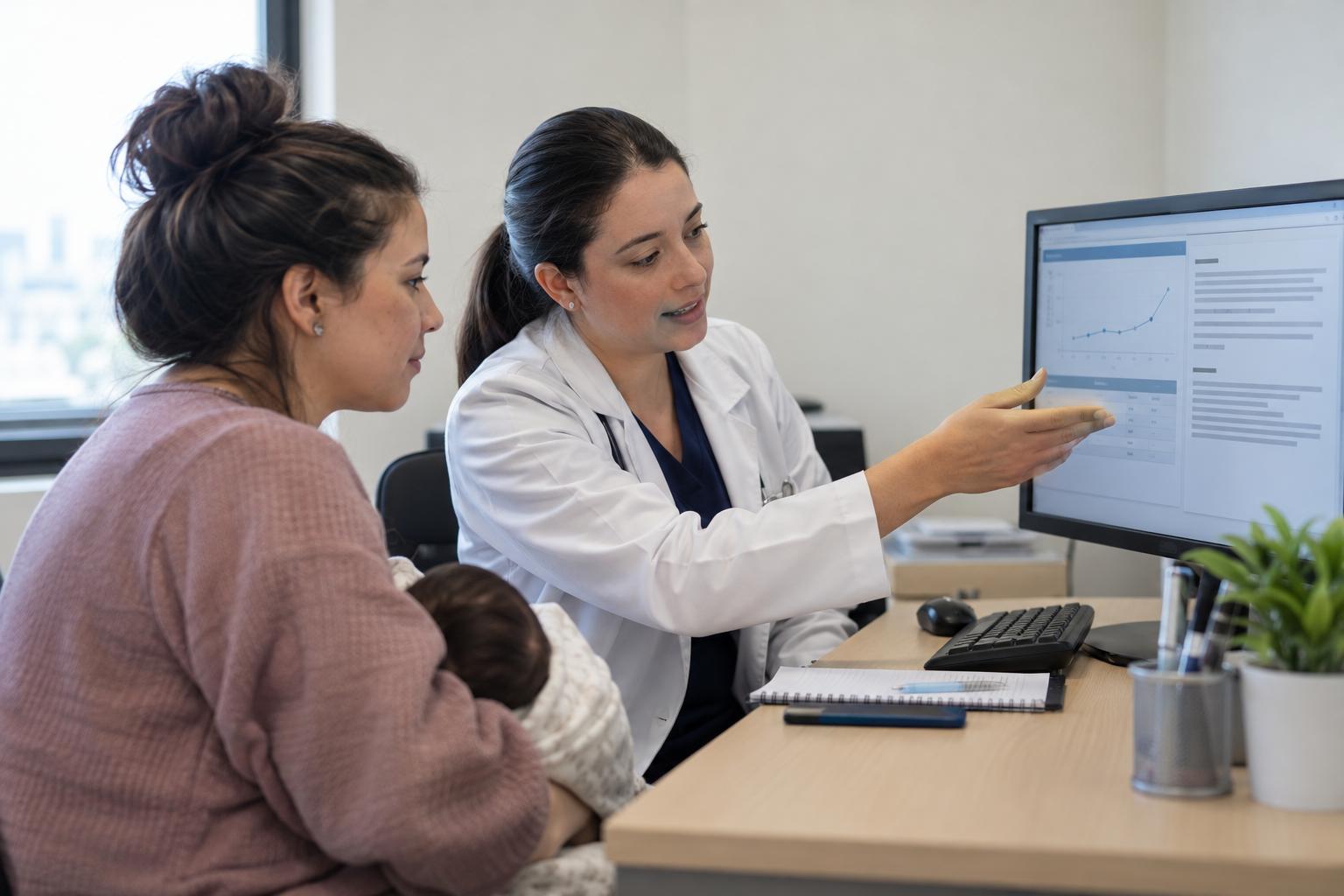
After pregnancy, keep a record of your history
If you had gestational diabetes, tell the health care professionals who see you after delivery, even if a recent measurement was normal. Your care team may recommend reevaluation and work with you to plan continued preventive follow-up.
Checklist: Gather your pregnancy information
☐ Keep your pregnancy and delivery summary, glucose results, and the instructions you received. ☐ Make a note of any medications or other support used during pregnancy so you can tell your care team. ☐ If your health care provider changes, bring or share this summary at your postpartum visit. In Colombia, having the information available may help support continuity of care, although you should not assume that every service already has it.
Checklist: Agree on how to reevaluate your glucose
☐ Ask your care team when they recommend reevaluating your glucose and which test is appropriate for you. ☐ If a test is requested, confirm how to prepare and how you will receive the results. ☐ Find out who will review the result and how they will communicate the next steps. The timing and type of test depend on the applicable guidelines and your clinical situation; do not assume that there is one schedule for everyone.
Checklist: Coordinate your postpartum visits
☐ Tell your primary care team and your obstetric care team about your history; ask whether an endocrinology evaluation is appropriate for you. ☐ Confirm who will provide follow-up and how results will be shared among the teams caring for you. ☐ If you do not have an appointment or are unsure whom to contact, get in touch with the team that supported you during pregnancy or with your health care service to agree on the next step.
Checklist: Adapt the plan to breastfeeding and recovery
Breastfeeding, rest, physical recovery, and your baby’s schedule can make it harder to arrange appointments or tests. Discuss your schedule and needs with your care team; ask whether the test and review of results can be coordinated in a way that fits with your recovery. Breastfeeding can be part of postpartum care, but it does not guarantee that diabetes will not develop in the future and does not replace recommended reevaluation.
Checklist: Maintain preventive follow-up
☐ Keep your results and recommendations with your clinical summary. ☐ Ask when your next checkup is appropriate, based on your history and results. ☐ Tell future health care teams that you had gestational diabetes, even if it has been some time since your pregnancy. This history does not mean that you have type 2 diabetes. Follow-up helps assess your current situation and guide individualized care.
Wrap-up: Leave your appointment with a clear plan
Before your visit ends, try to confirm what reevaluation is appropriate for you, who will review the result, and how follow-up will continue. You do not have to sort everything out in one appointment: you can ask for help coordinating care based on your recovery and circumstances.
When to seek medical care
If symptoms persist, test results are abnormal, or you have questions about medication, arrange an individual assessment. Do not change treatment or doses without medical guidance.
Frequently asked questions
If my glucose returned to normal after delivery, do I need more follow-up?
It is recommended that you talk with your health care team about glucose reevaluation and preventive follow-up. A normal result alone does not determine what follow-up you need.
When should I have a checkup, and which test should I have?
The timing and type of test depend on the applicable guidelines, your history, and clinical judgment. Ask the team familiar with your pregnancy and postpartum situation; there is no single schedule for everyone.
Does breastfeeding prevent me from developing diabetes in the future?
That cannot be guaranteed. Breastfeeding can be part of postpartum care, but it does not replace glucose reevaluation or individualized preventive follow-up.
Does this topic resonate with you?
Every case is different. Book a consultation to review your history, test results and goals with a personalized plan.
More articles about Diabetes
6 min de lectura
Publicado: 11 de noviembre de 2026 · Actualizado: 11 de noviembre de 2026
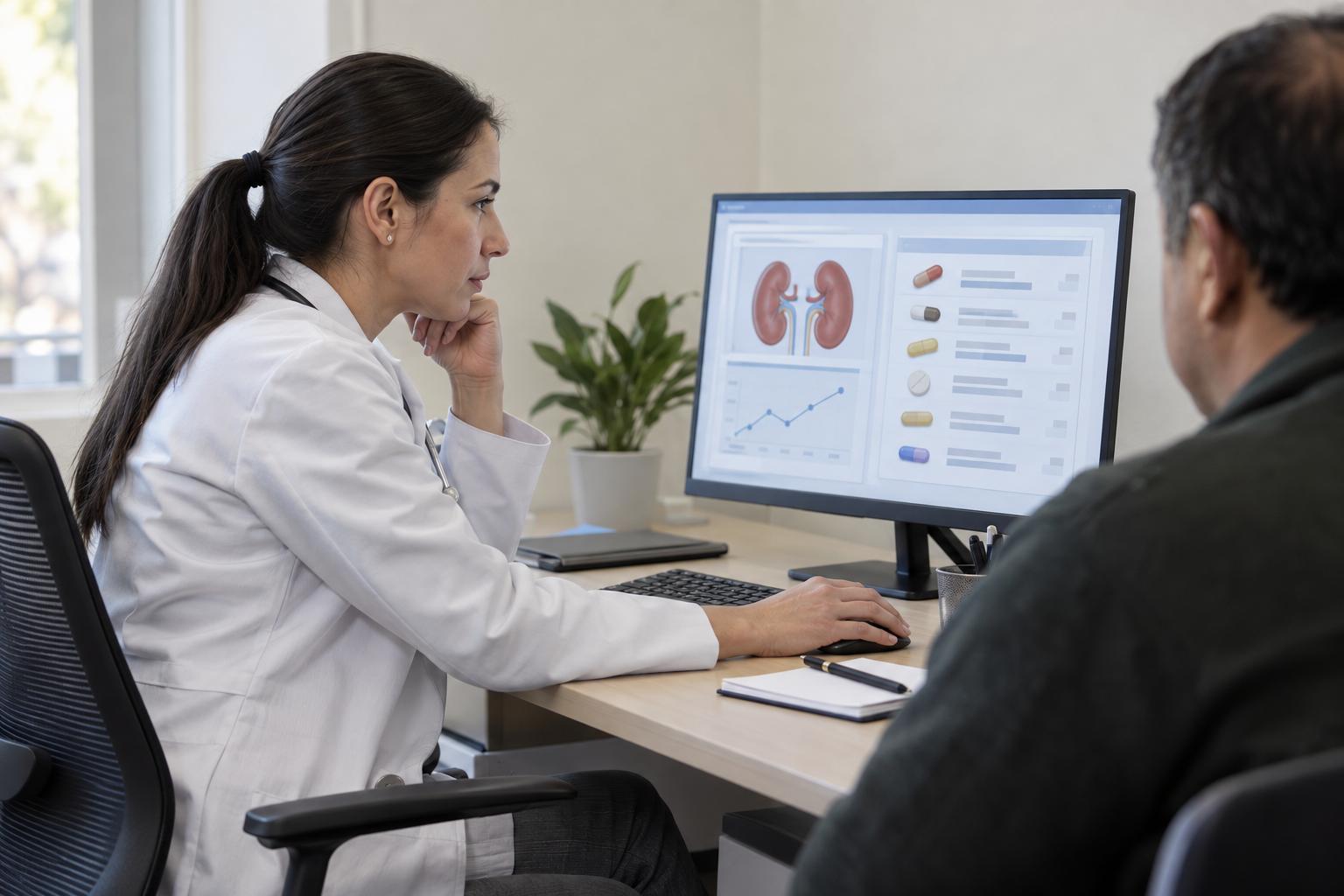
Diabetes and Heart and Kidney Health: What May Influence Medication Choices
When choosing diabetes medications, clinicians may consider blood glucose control, cardiovascular history, kidney function, possible side effects, and each person’s preferences.
6 min de lectura
Publicado: 4 de noviembre de 2026 · Actualizado: 4 de noviembre de 2026
Borderline Glucose or HbA1c: When Is Diabetes Confirmation Needed?
What fasting glucose, HbA1c, and oral glucose tolerance thresholds mean, when an abnormal result is usually confirmed, and which factors may affect interpretation.

5 min de lectura
Publicado: 27 de octubre de 2026 · Actualizado: 27 de octubre de 2026
Going Home After Giving Birth with Diabetes: Connecting Your Hospital Plan with Follow-Up Care
What to confirm before discharge if you have type 1 or type 2 diabetes: who will continue your care, which documents to keep, and how to prepare for your first follow-up visit.
6 min de lectura
Publicado: 4 de octubre de 2026 · Actualizado: 4 de octubre de 2026
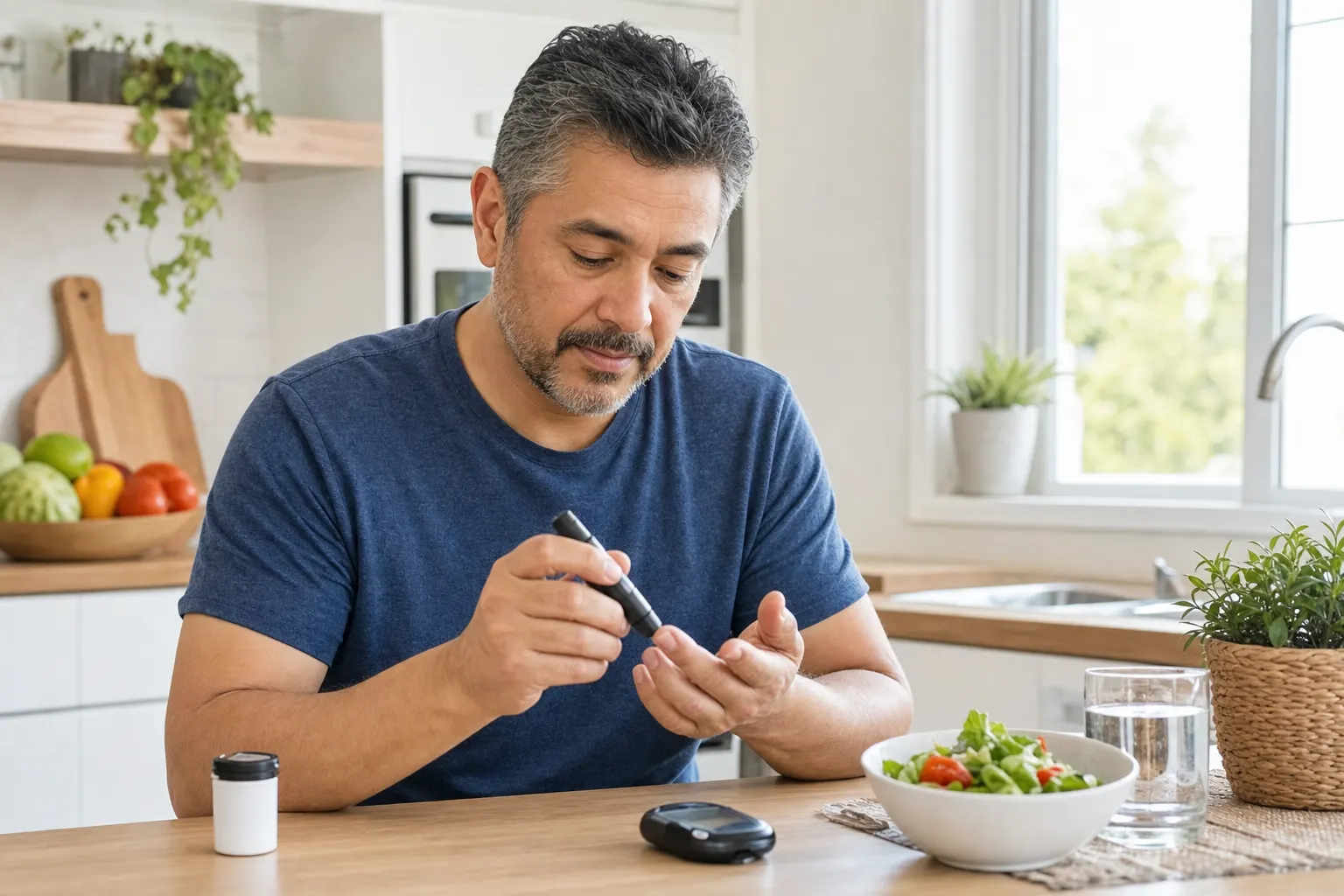
Everyday Strategies to Minimize Complications in Diabetes
Discover practical and effective strategies to prevent complications in diabetes and improve your quality of life in Bogotá.

5 min de lectura
Publicado: 29 de septiembre de 2026 · Actualizado: 29 de septiembre de 2026
Type 2 Diabetes Prevention: Which Risk Factors Can and Can’t Change
Learn which type 2 diabetes risk factors can be addressed and which cannot be changed. It may be possible to reduce risk, but this does not guarantee that the disease can be prevented.

5 min de lectura
Publicado: 17 de septiembre de 2026 · Actualizado: 17 de septiembre de 2026
Preparing for Your Diabetes Medical Checkups: Practical and Effective Tips
Learn how to prepare for your diabetes medical checkups with practical and effective tips that will help you improve your health.