Educational article
First Semester or First Job With Diabetes: Build a Routine You Can Sustain

Educational content. It does not replace an individual medical assessment and should not be used for self-medication.

What adapting your care to a new routine involves
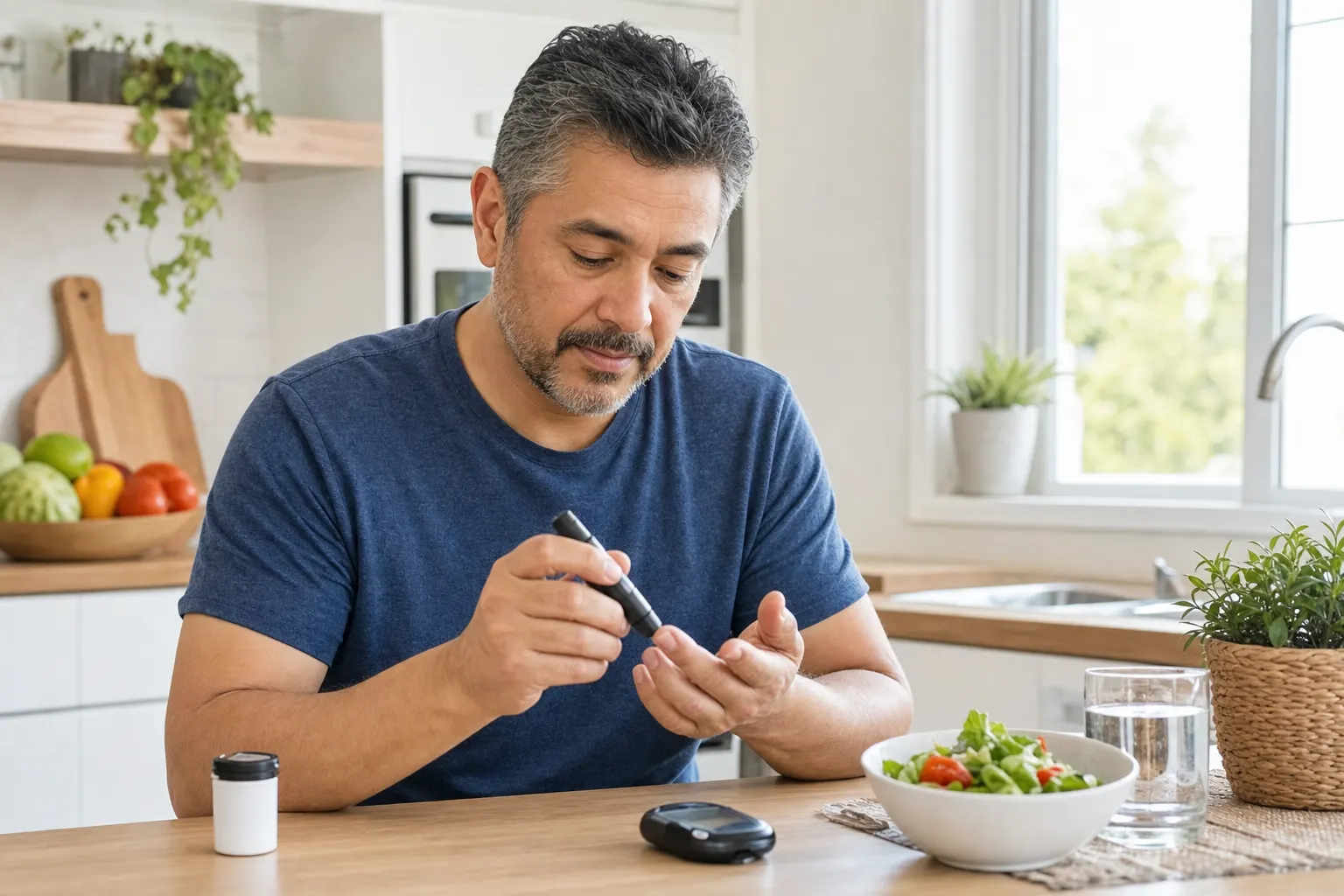
Starting a semester, technical training program, or first job can change your sleep schedule, meals, commute, and physical activity. Adapting your care means anticipating these changes and reviewing with your care team how they relate to your personal plan. There is no one routine that works for everyone: needs depend on the type of diabetes, treatment, and instructions agreed on for each person.
Before you start: identify what will change
When possible, review your class or shift schedule, commute times, when you will be able to eat, and which activities might change how much you move. Bring your questions to your health care team: which parts of your plan might need review, what to do if a meal is delayed, and how to organize your treatment during the day. Treatment changes should be based on the instructions agreed on for you.
Meals, activity, and treatment: consider them together
With a new schedule, you might eat at different times, walk more between classrooms, or spend more time doing a different activity. Discuss these changes with your team and ask how they relate to the treatment prescribed for you. Do not assume that changing a meal time or modifying your treatment is enough: your plan should take your circumstances and the clinical instructions you have already received into account.
Plan where to carry and store your supplies
Think about which supplies you need during the day, where to keep them safely, and how to access them. Follow the storage instructions you received. In Bogotá, a long commute or traffic congestion can keep you away from home for longer; allow for that when deciding what to bring, in line with your personal plan.
Breaks, privacy, and support
Consider whether you need breaks to eat, check your glucose, or carry out other tasks in your care plan, and how to do so with the level of privacy you prefer. You can also decide whether it would help to tell someone you trust what kind of support would be useful. Discussing these needs at school or work can make the day easier; this guide does not replace guidance about institutional rules or accommodations.
How to tell when your routine needs review
Notice whether you repeatedly have trouble following your plan, meals are frequently delayed, your glucose results are outside the ranges your team gave you, or you have trouble accessing supplies. Write down when it happens and what was going on. These details do not mean the same thing for everyone, but they can help your team review the plan with you.
Common challenges when getting started
At first, it can be difficult to anticipate every change. Try not to assume the new schedule will have no effect on your care or leave your supplies out of reach. If a problem comes up, follow the instructions you have already agreed on and contact your team according to the plan you established. You do not have to handle every situation on your own.
Follow-up and when to ask for guidance
Ask for guidance if schedule changes repeatedly create problems with meals, activity, treatment, or access to supplies. Share what is happening and when so your team can assess with you whether the plan needs adjustments. If you have severe symptoms or a situation your plan identifies as urgent, follow the care instructions you received.
When to seek medical care
If symptoms persist, test results are abnormal, or you have questions about medication, arrange an individual assessment. Do not change treatment or doses without medical guidance.
Frequently asked questions
Should I change my treatment before starting classes or a job?
Do not change it on your own. If your new schedule could affect your plan, talk with your care team before you start, when possible, to review what is appropriate for your situation.
What should I keep in mind for a long day away from home?
Based on your plan, organize which supplies you need to bring, where to store them, and how to access them. Consider how long your day and commutes will be, and confirm the specific instructions for you with your team.
Do I have to tell everyone at my school or workplace that I have diabetes?
There is no one answer. You can decide what information to share, with whom, and what specific support would make your day easier. If you need to, discuss these options with your health care team or someone you trust.
Does this topic resonate with you?
Every case is different. Book a consultation to review your history, test results and goals with a personalized plan.
More articles about Diabetes

6 min de lectura
Publicado: 11 de noviembre de 2026 · Actualizado: 11 de noviembre de 2026
Diabetes and Heart and Kidney Health: What May Influence Medication Choices
When choosing diabetes medications, clinicians may consider blood glucose control, cardiovascular history, kidney function, possible side effects, and each person’s preferences.

6 min de lectura
Publicado: 4 de noviembre de 2026 · Actualizado: 4 de noviembre de 2026
Borderline Glucose or HbA1c: When Is Diabetes Confirmation Needed?
What fasting glucose, HbA1c, and oral glucose tolerance thresholds mean, when an abnormal result is usually confirmed, and which factors may affect interpretation.

5 min de lectura
Publicado: 27 de octubre de 2026 · Actualizado: 27 de octubre de 2026
Going Home After Giving Birth with Diabetes: Connecting Your Hospital Plan with Follow-Up Care
What to confirm before discharge if you have type 1 or type 2 diabetes: who will continue your care, which documents to keep, and how to prepare for your first follow-up visit.
6 min de lectura
Publicado: 4 de octubre de 2026 · Actualizado: 4 de octubre de 2026
Everyday Strategies to Minimize Complications in Diabetes
Discover practical and effective strategies to prevent complications in diabetes and improve your quality of life in Bogotá.

5 min de lectura
Publicado: 29 de septiembre de 2026 · Actualizado: 29 de septiembre de 2026
Type 2 Diabetes Prevention: Which Risk Factors Can and Can’t Change
Learn which type 2 diabetes risk factors can be addressed and which cannot be changed. It may be possible to reduce risk, but this does not guarantee that the disease can be prevented.

5 min de lectura
Publicado: 17 de septiembre de 2026 · Actualizado: 17 de septiembre de 2026
Preparing for Your Diabetes Medical Checkups: Practical and Effective Tips
Learn how to prepare for your diabetes medical checkups with practical and effective tips that will help you improve your health.