Educational article
Greater Independence With Diabetes: Habits and Support as You Enter Adulthood

Educational content. It does not replace an individual medical assessment and should not be used for self-medication.

What Changes When You Enter Adulthood
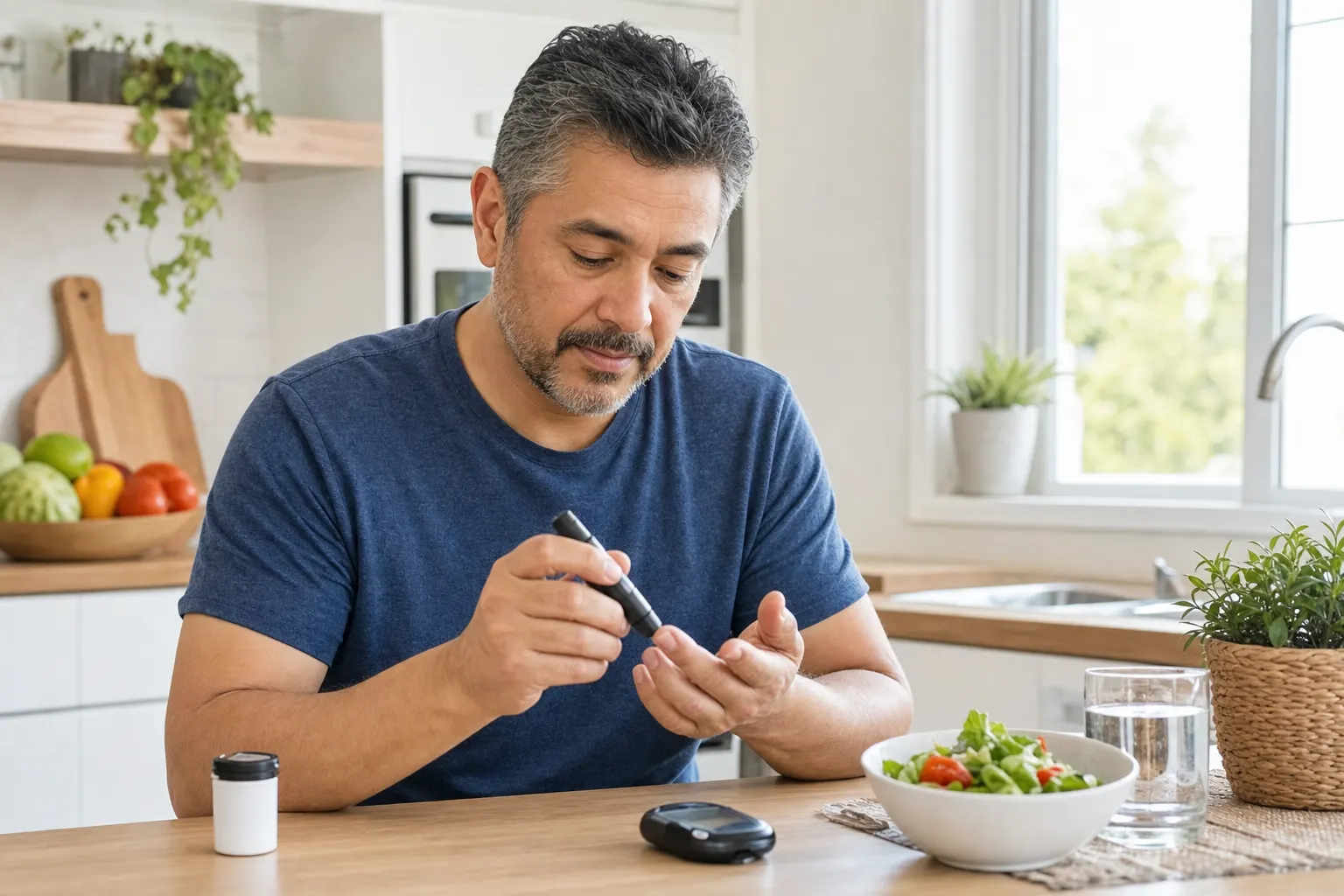
Diabetes requires an individualized care plan, but how you put it into practice may change as your independence and responsibilities increase. Study or work schedules, moving, travel, and social life can affect care activities and how you organize appointments and supplies. Adapting your routine does not mean doing everything without help: each person can decide which responsibilities to take on and which supports to keep.
When It May Be Time to Review Your Routine
It may be time to review your plan if you have trouble remembering medications or activities recommended by your healthcare team, attending follow-up appointments, getting supplies on time, or adapting your care to your current schedule. It is also a good idea to talk with your healthcare team if treatment interferes with school, work, rest, or social life, or if questions and concerns make care more difficult. These situations do not mean you lack willpower: they may indicate that you need to reorganize or review your plan with healthcare professionals.
Getting Organized With Variable Schedules
Identify which parts of your day are usually consistent and which ones change. You can use reminders for activities recommended by your healthcare team and think ahead about what you will need when you spend many hours away from home. A digital planner or calendar can help you keep track of follow-up appointments and important dates. For an outing, a long shift, or a trip, ask how to maintain your care and what to do if a difficulty comes up.
Planning for Supplies and Follow-Up Appointments
How you store and carry medications and supplies depends on your treatment and the recommendations you have received. At a follow-up appointment, you can ask for help reviewing what you need, planning refills, and agreeing on what to do if your schedule or access to your usual supplies changes. It is also useful to know how to request or reschedule appointments. If you start studying or working in another city in Colombia, ask how to continue your follow-up care before the move interrupts it.
Your Plan Is Individual
Needs vary based on the type of diabetes, treatment, health status, routine, and personal preferences. Management of type 1, type 2, or other forms of diabetes may involve different recommendations, medications, monitoring, and devices. For this reason, glucose goals and treatment changes should be agreed on with your healthcare team. There is no one-size-fits-all approach, and it is not safe to change doses on your own.
Support Without Losing Autonomy
Support can be helpful when moving, starting a job, organizing appointments, or going through a period with more demands. If you wish, agree with someone you trust on a specific way they can help, such as accompanying you to an appointment or helping you remember a date. Involving another person is a choice: it does not determine how independent you are and does not replace professional follow-up.
Common Mistakes and When to Seek Advice
Your previous routine may no longer work with a new schedule, and trying to solve every difficulty on your own can make care harder. Avoid copying someone else’s plan or adjusting medications without guidance. Talk with your healthcare team if your responsibilities make it difficult to follow your plan, if you have trouble accessing appointments or supplies, or if you are unsure how to organize care when your schedule or place of residence changes. If symptoms or problems with control arise, seek professional evaluation: this guide cannot determine the cause or replace an evaluation.
When to seek medical care
If symptoms persist, test results are abnormal, or you have questions about medication, arrange an individual assessment. Do not change treatment or doses without medical guidance.
Frequently asked questions
Do I have to take care of everything on my own when I turn 18?
No. Independence develops differently for each person. You can continue to rely on family members, people you trust, and your healthcare team, depending on what you prefer and need.
What can I do if my schedule changes every week?
Discuss the changes with your healthcare team to review how to organize care for your situation. Reminders and planning for appointments and supplies may help, but they do not replace individualized recommendations or justify changing doses on your own.
Does the same plan work for everyone with diabetes?
Not necessarily. Needs vary for several reasons, including the type of diabetes and the treatment. Your healthcare team can help adapt the plan to you and your circumstances.
Does this topic resonate with you?
Every case is different. Book a consultation to review your history, test results and goals with a personalized plan.
More articles about Diabetes

6 min de lectura
Publicado: 11 de noviembre de 2026 · Actualizado: 11 de noviembre de 2026
Diabetes and Heart and Kidney Health: What May Influence Medication Choices
When choosing diabetes medications, clinicians may consider blood glucose control, cardiovascular history, kidney function, possible side effects, and each person’s preferences.

6 min de lectura
Publicado: 4 de noviembre de 2026 · Actualizado: 4 de noviembre de 2026
Borderline Glucose or HbA1c: When Is Diabetes Confirmation Needed?
What fasting glucose, HbA1c, and oral glucose tolerance thresholds mean, when an abnormal result is usually confirmed, and which factors may affect interpretation.

5 min de lectura
Publicado: 27 de octubre de 2026 · Actualizado: 27 de octubre de 2026
Going Home After Giving Birth with Diabetes: Connecting Your Hospital Plan with Follow-Up Care
What to confirm before discharge if you have type 1 or type 2 diabetes: who will continue your care, which documents to keep, and how to prepare for your first follow-up visit.
6 min de lectura
Publicado: 4 de octubre de 2026 · Actualizado: 4 de octubre de 2026
Everyday Strategies to Minimize Complications in Diabetes
Discover practical and effective strategies to prevent complications in diabetes and improve your quality of life in Bogotá.

5 min de lectura
Publicado: 29 de septiembre de 2026 · Actualizado: 29 de septiembre de 2026
Type 2 Diabetes Prevention: Which Risk Factors Can and Can’t Change
Learn which type 2 diabetes risk factors can be addressed and which cannot be changed. It may be possible to reduce risk, but this does not guarantee that the disease can be prevented.

5 min de lectura
Publicado: 17 de septiembre de 2026 · Actualizado: 17 de septiembre de 2026
Preparing for Your Diabetes Medical Checkups: Practical and Effective Tips
Learn how to prepare for your diabetes medical checkups with practical and effective tips that will help you improve your health.