Educational article
Integrating Daily Habits for Effective Diabetes Management

Dr. Teresita Cortés Segura, medical reviewer
Author and medical review: Dra. Teresita del Niño Jesús Cortés Segura, endocrinologist.
Location: Bogotá, Colombia.
Published: July 10, 2026 · Updated: July 10, 2026 · 5 min read.
Educational content. It does not replace an individual medical assessment and should not be used for self-medication.
1. Regular Glucose Monitoring
Consistently track your blood glucose levels. This will help you understand how your eating and physical activity habits affect your glycemic control.
2. Balanced Diet
Incorporate a diet rich in fruits, vegetables, whole grains, and lean proteins. Limit the intake of added sugars and refined carbohydrates.
3. Regular Physical Activity
Dedicate at least 150 minutes per week to physical activities such as walking, swimming, or cycling. This helps maintain a healthy weight and improves insulin sensitivity.
4. Meal Planning
Organize your meals and snacks to avoid impulsive decisions. Include healthy options and always have nutritious alternatives on hand.

5. Stress Management
Practice stress management techniques such as meditation, yoga, or deep breathing. Stress can affect your glucose levels.
6. Continuous Education
Stay informed about diabetes and its treatments. Participate in workshops or support groups, like those offered by Dr. Teresita Cortes, to help improve your self-management.
7. Regular Medical Follow-Up
Attend your scheduled medical appointments and complete recommended tests. This is key to adjusting your treatment and monitoring your health.
8. Family and Social Support
Involve your family and friends in your diabetes management process. Their support can be fundamental in maintaining healthy habits.
9. Progress Tracking
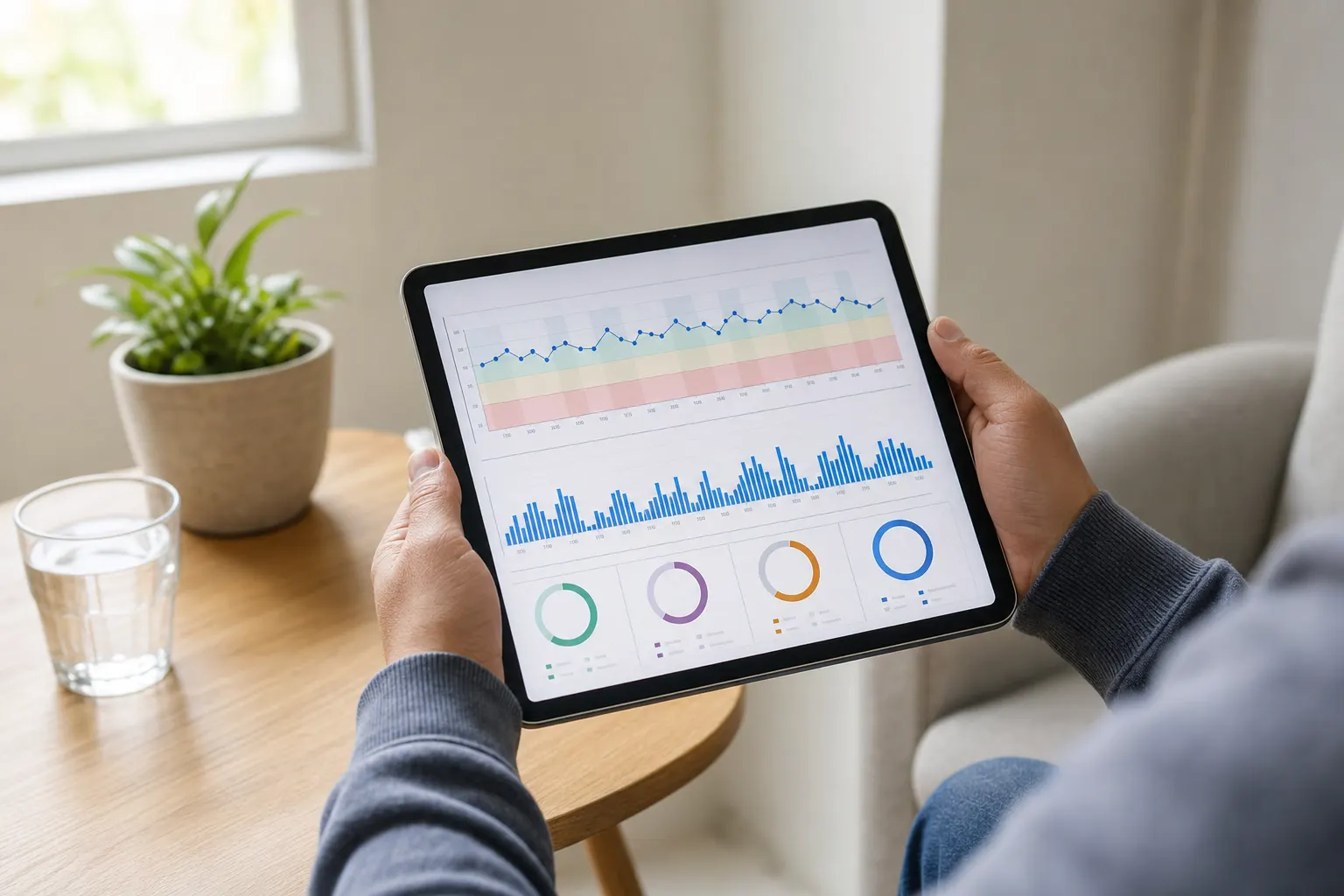
Keep a journal where you record your glucose levels, foods consumed, and activities performed. This will help you identify patterns and areas for improvement.
10. Setting Realistic Goals
Define achievable and specific goals related to your diabetes management. Celebrate your accomplishments, no matter how small.
When to seek medical care
If symptoms persist, test results are abnormal, or you have questions about medication, arrange an individual assessment. Do not change treatment or doses without medical guidance.
Frequently asked questions
How often should I monitor my glucose levels?
The frequency of monitoring depends on your treatment and medical recommendations. Generally, it is suggested to do so several times a week.
What types of foods should I avoid to better control diabetes?
It is advisable to limit the consumption of added sugars, refined carbohydrates, and processed foods containing saturated fats.
How can exercise help in managing diabetes?
Regular exercise improves insulin sensitivity, helps control weight, and can reduce blood glucose levels.
More articles about Diabetes

8 min de lectura
Publicado: 26 de septiembre de 2026 · Actualizado: 26 de septiembre de 2026
How to Maintain a Healthy Lifestyle to Prevent Diabetes Complications
Learn how a healthy lifestyle can help prevent complications such as neuropathy and retinopathy in people with diabetes, with practical advice and answers to common myths.

8 min de lectura
Publicado: 25 de septiembre de 2026 · Actualizado: 25 de septiembre de 2026
Managing Diabetes: Treatment Options and Realistic Expectations
This article explores treatment options for diabetes and sets realistic expectations for effective day-to-day management, especially in the context of Bogotá.
5 min de lectura
Publicado: 17 de septiembre de 2026 · Actualizado: 17 de septiembre de 2026
Preparing for Your Diabetes Medical Checkups: Practical and Effective Tips
Learn how to prepare for your diabetes medical checkups with practical and effective tips that will help you improve your health.

5 min de lectura
Publicado: 7 de agosto de 2026 · Actualizado: 7 de agosto de 2026
Diabetes: Differentiating Common and Less Common Symptoms You Should Know
Discover the most common and less common symptoms of diabetes to stay alert and seek appropriate help.

5 min de lectura
Publicado: 6 de agosto de 2026 · Actualizado: 6 de agosto de 2026
Altered Results in Diabetes: Understanding Their Impact and Next Steps
This article explores altered results in diabetes, their impact on health, and the steps to take for proper management.

5 min de lectura
Publicado: 19 de septiembre de 2026 · Actualizado: 19 de septiembre de 2026
Preventing Complications in Diabetes: Effective Strategies to Maintain Your Health
Learn effective strategies to prevent complications in diabetes and keep your health in optimal condition.