Educational article
Diabetes: How to Create a Practical Log for Glucose Monitoring

Dr. Teresita Cortés Segura, medical reviewer
Author and medical review: Dra. Teresita del Niño Jesús Cortés Segura, endocrinologist.
Location: Bogotá, Colombia.
Published: August 31, 2026 · Updated: September 29, 2026 · 5 min read.
Educational content. It does not replace an individual medical assessment and should not be used for self-medication.
Related videos
Introduction
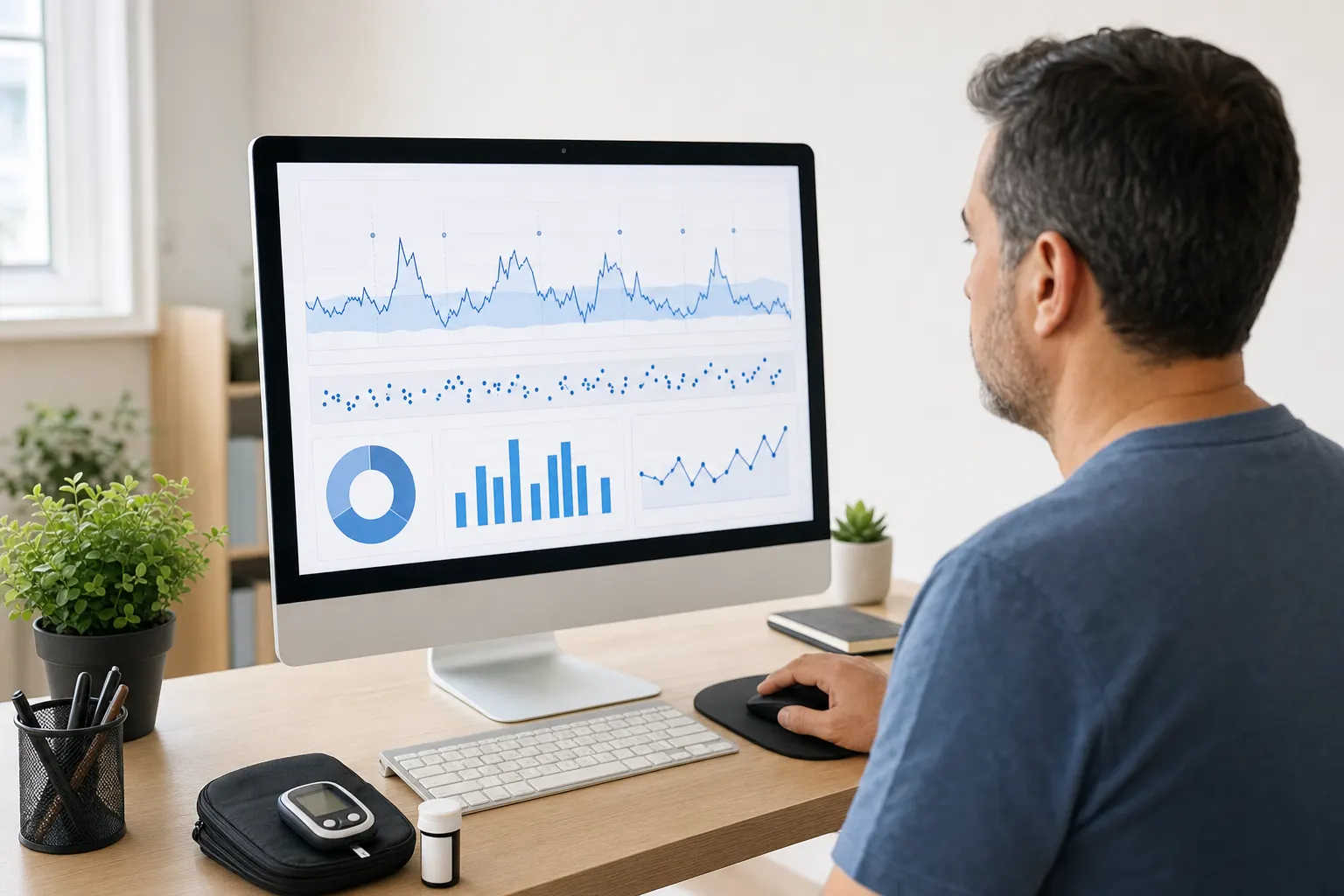
Managing diabetes requires constant monitoring of various factors, including blood glucose, diet, and physical activity. Creating a practical log can simplify this process and help maintain optimal health.
1. Define Your Goals
Before you start logging, it is important to define which aspects you want to monitor, such as glucose levels, food intake, or physical activity. Having clear goals will allow you to customize your log.
2. Choose the Right Format
You can opt for a digital or physical log. Digital logs, such as mobile apps, can offer charts and reminders, while a notebook can be useful if you prefer writing by hand.
3. Record Your Glucose Levels
Write down your blood glucose levels at the times recommended by your doctor. This will help you identify patterns and adjust your treatment as needed.
4. Keep Track of Your Diet
Record what you eat, including portions and times. This will allow you to see how foods affect your glucose levels and make adjustments to your diet.
5. Monitor Your Physical Activity
Note the amount and type of exercise you do. Physical activity is crucial for diabetes management, and tracking it will motivate you to stay active.
6. Review and Adjust Regularly
Set aside time weekly to review your log. This will help you identify trends and make adjustments to your treatment or lifestyle habits.
Closing and Follow-up Plan
Creating a practical and effective log for diabetes management is not only possible but can be a key tool for your health. Be sure to review it regularly and share it with your doctor for personalized follow-up.
When to seek medical care
If symptoms persist, test results are abnormal, or you have questions about medication, arrange an individual assessment. Do not change treatment or doses without medical guidance.
Frequently asked questions
How often should I record my glucose levels?
It is recommended to record your glucose levels at least several times a week, or as directed by your doctor.
What types of foods should I note in my log?
Record all the foods you consume, paying attention to portions and timing.
Can I use apps to keep my log?
Yes, there are many apps that facilitate diabetes monitoring, including charts and reminders.
More articles about Diabetes
8 min de lectura
Publicado: 26 de septiembre de 2026 · Actualizado: 26 de septiembre de 2026
How to Maintain a Healthy Lifestyle to Prevent Diabetes Complications
Learn how a healthy lifestyle can help prevent complications such as neuropathy and retinopathy in people with diabetes, with practical advice and answers to common myths.
8 min de lectura
Publicado: 25 de septiembre de 2026 · Actualizado: 25 de septiembre de 2026
Managing Diabetes: Treatment Options and Realistic Expectations
This article explores treatment options for diabetes and sets realistic expectations for effective day-to-day management, especially in the context of Bogotá.
5 min de lectura
Publicado: 17 de septiembre de 2026 · Actualizado: 17 de septiembre de 2026
Preparing for Your Diabetes Medical Checkups: Practical and Effective Tips
Learn how to prepare for your diabetes medical checkups with practical and effective tips that will help you improve your health.
5 min de lectura
Publicado: 7 de agosto de 2026 · Actualizado: 7 de agosto de 2026
Diabetes: Differentiating Common and Less Common Symptoms You Should Know
Discover the most common and less common symptoms of diabetes to stay alert and seek appropriate help.
5 min de lectura
Publicado: 6 de agosto de 2026 · Actualizado: 6 de agosto de 2026
Altered Results in Diabetes: Understanding Their Impact and Next Steps
This article explores altered results in diabetes, their impact on health, and the steps to take for proper management.
5 min de lectura
Publicado: 19 de septiembre de 2026 · Actualizado: 19 de septiembre de 2026
Preventing Complications in Diabetes: Effective Strategies to Maintain Your Health
Learn effective strategies to prevent complications in diabetes and keep your health in optimal condition.