Educational article
Glucose Remains Outside Your Target Range: What Information Can Help Reassess Your Diabetes Plan?

Educational content. It does not replace an individual medical assessment and should not be used for self-medication.
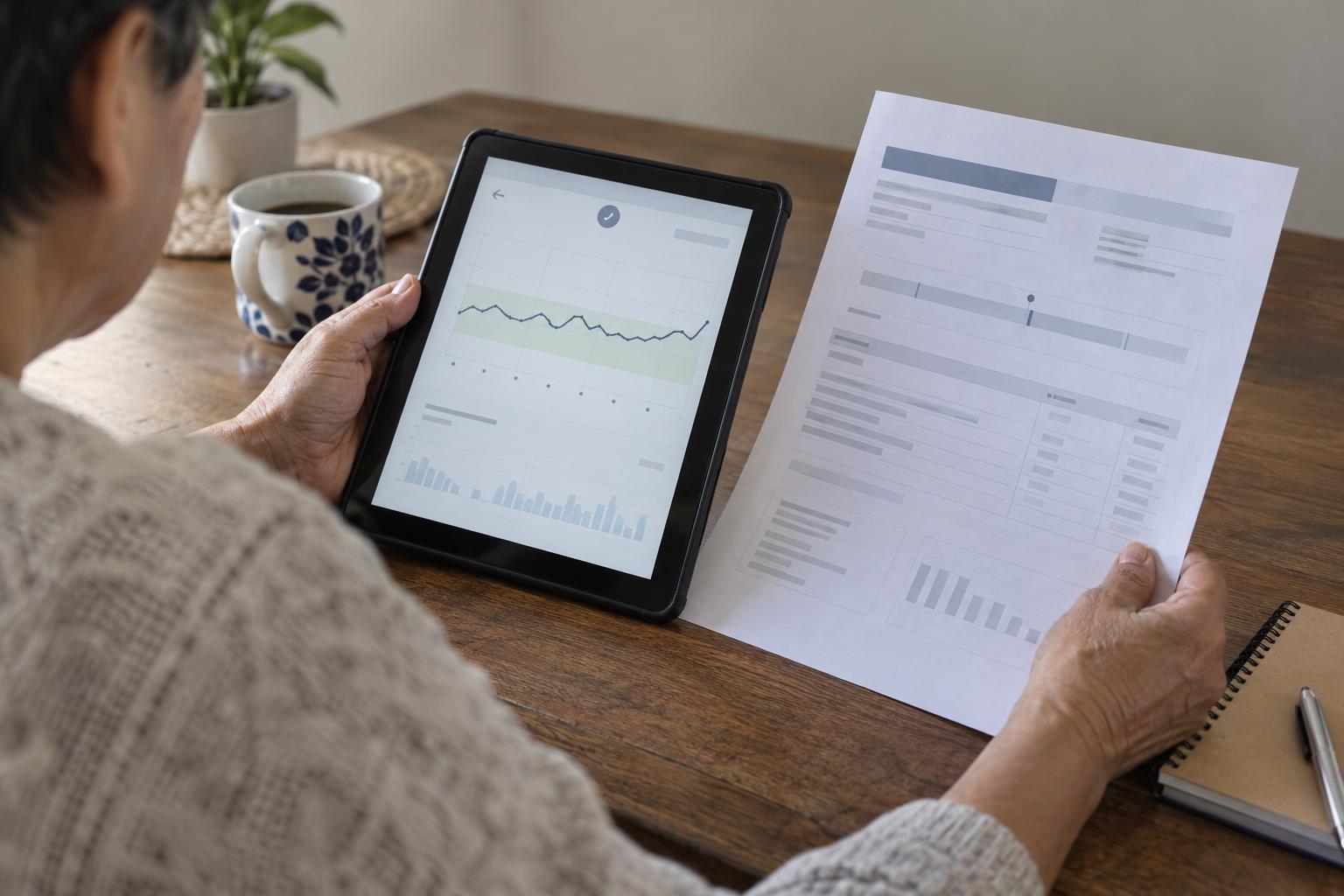
Does one high reading mean the treatment is not working?
Not necessarily. A single measurement shows glucose at a particular moment and can vary for different reasons. To determine whether the pattern is consistently outside the agreed targets, it is important to review several data points and the period they cover. One number alone does not explain the cause or indicate what change may be needed.
What information should you gather before your appointment?
Bring any blood glucose meter records or sensor reports you have, including dates and times. Note details that may help interpret them, such as whether the measurements were taken before or after eating, and whether you were ill or had significant changes in your routine. It may also be helpful to bring your most recent HbA1c result and a list of the medications you use, including those prescribed by other health care professionals.
How do HbA1c and glucose records complement each other?
HbA1c helps assess average glucose over a longer period. Blood glucose meter records and sensor data show measurements at specific times and may reveal trends throughout the day. These are different sources of information; your health care team can interpret them together based on the period covered, the quality of the data, and your clinical situation.
Is the target the same for everyone?
No. Targets are individualized based on factors such as overall health, how long you have had diabetes, other treatments and conditions, and the risk of low blood glucose. Comparing your results with someone else’s may be misleading. Confirm with your health care team what your targets are and which times or periods they apply to.
What recent changes might the clinical team ask about?
During the conversation, the team may review changes in eating habits and physical activity, sleep, stress, recent illness, or other medications. These factors may influence readings, but on their own they do not prove the cause of a pattern or indicate a lack of adherence. Sharing what has changed, without judgment, provides context for interpreting the data.
What might the team review if the pattern remains outside your target range?
Depending on your situation, the clinical team may review your targets, assess the available data, and consider whether your treatment plan is still appropriate. The decision depends on your medical history, not on one isolated reading. Do not stop or change medications on your own; if you have questions or difficulties, discuss them with the professional overseeing your care.
When should you contact your health care team?
Request a review if your measurements remain outside the agreed targets, you notice a persistent change in your records, or you are unsure how to interpret sensor data. Contact your team promptly if you have new or concerning symptoms, or if a recent illness makes management difficult. If your symptoms are severe or you feel in danger, follow any emergency instructions you have or seek urgent care.
When to seek medical care
If symptoms persist, test results are abnormal, or you have questions about medication, arrange an individual assessment. Do not change treatment or doses without medical guidance.
Frequently asked questions
Should I bring all my measurements to my appointment?
Bring the records or reports you have and indicate the dates and period they cover. If you do not have a complete record, share what you do have; your team can help determine what additional information may be useful.
Does an HbA1c result outside my target range indicate by itself what treatment I need?
No. HbA1c is one part of the assessment. Your team interprets it along with your glucose records, individualized targets, medical history, and clinical situation before considering options.
What should I do if I think my medications are related to my readings?
Make a note of which medication changed or when you started taking it, and consult the professional overseeing your diabetes care. Do not stop or adjust treatment on your own.
Does this topic resonate with you?
Every case is different. Book a consultation to review your history, test results and goals with a personalized plan.
More articles about Diabetes

6 min de lectura
Publicado: 11 de noviembre de 2026 · Actualizado: 11 de noviembre de 2026
Diabetes and Heart and Kidney Health: What May Influence Medication Choices
When choosing diabetes medications, clinicians may consider blood glucose control, cardiovascular history, kidney function, possible side effects, and each person’s preferences.

6 min de lectura
Publicado: 4 de noviembre de 2026 · Actualizado: 4 de noviembre de 2026
Borderline Glucose or HbA1c: When Is Diabetes Confirmation Needed?
What fasting glucose, HbA1c, and oral glucose tolerance thresholds mean, when an abnormal result is usually confirmed, and which factors may affect interpretation.

5 min de lectura
Publicado: 27 de octubre de 2026 · Actualizado: 27 de octubre de 2026
Going Home After Giving Birth with Diabetes: Connecting Your Hospital Plan with Follow-Up Care
What to confirm before discharge if you have type 1 or type 2 diabetes: who will continue your care, which documents to keep, and how to prepare for your first follow-up visit.
6 min de lectura
Publicado: 4 de octubre de 2026 · Actualizado: 4 de octubre de 2026
Everyday Strategies to Minimize Complications in Diabetes
Discover practical and effective strategies to prevent complications in diabetes and improve your quality of life in Bogotá.

5 min de lectura
Publicado: 29 de septiembre de 2026 · Actualizado: 29 de septiembre de 2026
Type 2 Diabetes Prevention: Which Risk Factors Can and Can’t Change
Learn which type 2 diabetes risk factors can be addressed and which cannot be changed. It may be possible to reduce risk, but this does not guarantee that the disease can be prevented.
5 min de lectura
Publicado: 17 de septiembre de 2026 · Actualizado: 17 de septiembre de 2026
Preparing for Your Diabetes Medical Checkups: Practical and Effective Tips
Learn how to prepare for your diabetes medical checkups with practical and effective tips that will help you improve your health.