Educational article
After Pituitary Surgery: Home Care and Safe Recovery

Educational content. It does not replace an individual medical assessment and should not be used for self-medication.
Discharge instructions depend on each case
Care may vary depending on the procedure and each person's recovery. Follow the plan provided by the surgical team, and before leaving the hospital, confirm whom to call, which medications to continue, and when follow-up appointments are scheduled. This guide is general and does not replace those instructions.
Feeling better does not replace follow-up
Improvement is encouraging, but it does not always mean follow-up can end. After pituitary surgery, the team may request follow-up visits and hormone tests to assess recovery and adjust the plan. Attend the recommended appointments even if you have no symptoms. If you are unsure when or where to have a test, ask for guidance.

Nasal care and activity
Follow the specific instructions you received for nasal care. Do not blow your nose, perform nasal rinses, use sprays, or do nasal maneuvers unless your team has authorized them. Also follow instructions about exertion, lifting, and other activities: there is no single time frame that applies to everyone. If you have questions about an activity, check with your team before doing it.
Changes in thirst or the amount of urine
Tell your care team about significant changes in the amount of urine, especially if they occur along with intense thirst. Your team can advise whether you should monitor or record these changes. Do not change your fluid intake or medications on your own. If symptoms are severe or the person’s condition worsens, seek urgent care.
Symptoms to report and when to seek urgent care
Follow your discharge instructions about whom to contact if you develop a fever, persistent clear nasal drainage, vision changes, severe pain, or significant changes in thirst or the amount of urine. If a symptom is severe, worsens rapidly, or you cannot reach your team, go to the emergency department; do not wait until your next appointment.
Hormone medications: follow the prescribed plan
Take prescribed medications according to your discharge instructions. Do not stop, restart, or change the dose on your own, even if you feel well or notice changes in your symptoms. If you miss a dose or experience an unexpected effect, consult the team that prescribed the medication before making any changes.
Plan for the first few days at home
Keep your discharge instructions and the care team's contact information somewhere easy to reach. Write down follow-up dates and any changes you have been asked to monitor. If needed, ask a family member to help you remember appointments or report symptoms. Individualized instructions determine the appropriate care for each case.
When to seek medical care
If symptoms persist, test results are abnormal, or you have questions about medication, arrange an individual assessment. Do not change treatment or doses without medical guidance.
Frequently asked questions
Is nasal drainage normal after surgery?
Follow the nasal care instructions you received. Persistent clear drainage should be reported to your care team. Do not perform nasal rinses or maneuvers without authorization.
Can I stop taking hormone medications if I already feel well?
Do not stop or adjust them on your own. Follow the prescribed plan and consult the team that prescribed them about medications, follow-up, and tests.
When should I seek urgent care?
If you have severe or rapidly worsening symptoms, such as severe pain or vision changes, go to the emergency department. For fever, persistent clear nasal drainage, or significant changes in thirst or the amount of urine, contact your team as directed in your discharge instructions; if you cannot reach them or the situation worsens, go to the emergency department.
Does this topic resonate with you?
Every case is different. Book a consultation to review your history, test results and goals with a personalized plan.
More articles about Pituitary health
6 min de lectura
Publicado: 12 de noviembre de 2026 · Actualizado: 12 de noviembre de 2026
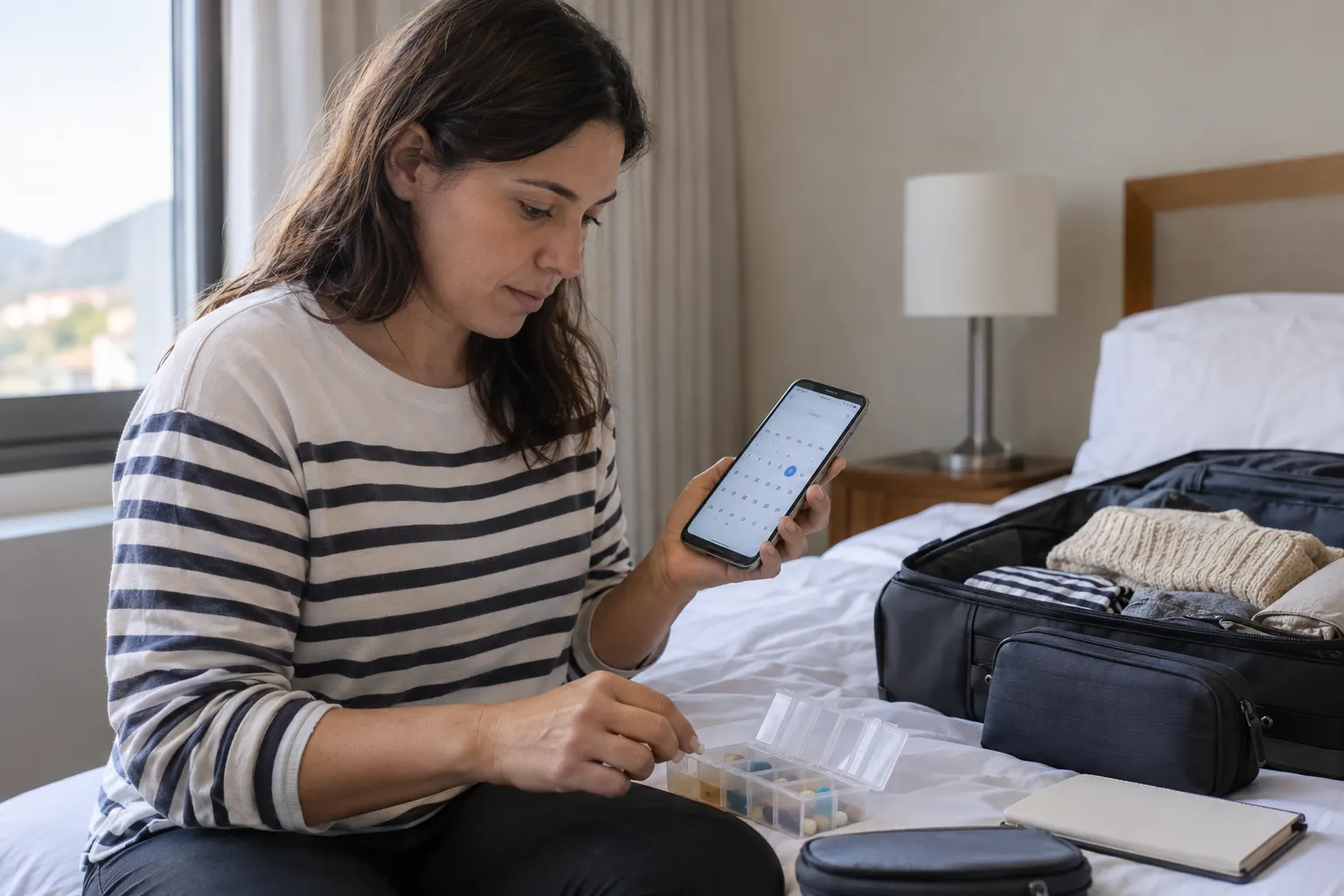
Traveling with a Pituitary Disorder: Medications, Schedules, and Fasting
How to plan medications, time-zone changes, fasting, and follow-up care if you have a pituitary disorder. An educational guide for people in Bogotá and Colombia; discuss specific instructions with your medical team.

5 min de lectura
Publicado: 17 de octubre de 2026 · Actualizado: 17 de octubre de 2026
Headache and Vision Changes: When to Consider an Urgent Pituitary Evaluation
Headaches and vision changes have many possible causes. Learn which symptoms require urgent attention and when to seek an evaluation, without assuming they are related to the pituitary gland.

5 min de lectura
Publicado: 14 de octubre de 2026 · Actualizado: 14 de octubre de 2026
One Hormone Level Doesn’t Tell the Whole Story: Key Points for Evaluating the Pituitary Gland
A hormone result outside the reference range does not, by itself, confirm a disease. Learn what context, medications, and related tests may help with interpretation, and what questions to bring to your endocrinology appointment.