Educational article
The Importance of Conducting Multiple Tests for Accurate Hormonal Diagnosis

Dr. Teresita Cortés Segura, medical reviewer
Author and medical review: Dra. Teresita del Niño Jesús Cortés Segura, endocrinologist.
Location: Bogotá, Colombia.
Published: October 10, 2026 · Updated: October 10, 2026 · 5 min read.
Educational content. It does not replace an individual medical assessment and should not be used for self-medication.
1. Why Are Hormonal Tests Important?
Hormonal tests are essential for assessing the body's hormonal balance. These tests help identify irregularities that can affect the overall health and well-being of the patient.
2. The Complexity of the Hormonal System
The hormonal system is intricate, with multiple hormones interacting with each other. An imbalance in one hormone can influence others, making an accurate diagnosis require a comprehensive approach.
3. Types of Hormonal Tests
There are various hormonal tests, including blood, urine, and saliva analyses. Each type of test provides different information, and multiple tests may be necessary to obtain a complete diagnosis.
4. Factors Affecting Results
The results of hormonal tests can be influenced by factors such as the time of day, diet, stress, and certain medications. It is crucial to consider these elements when interpreting the results.
5. Diagnostic Process
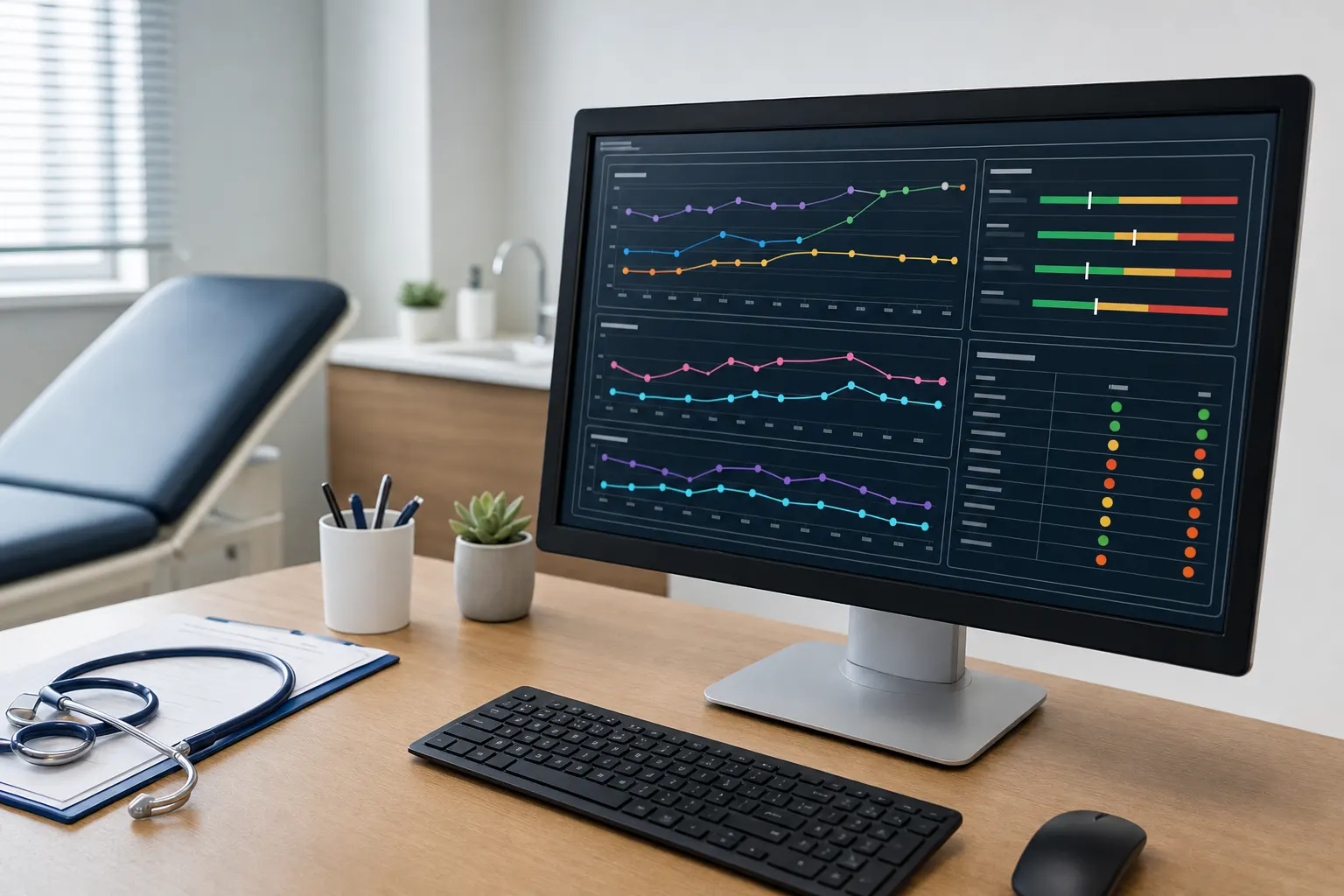
Hormonal diagnosis is not limited to a single test. Generally, a set of tests is required to adequately assess hormonal levels and determine any abnormalities.
6. When to Consult a Specialist?
If you experience symptoms such as extreme fatigue, unexplained weight changes, or menstrual cycle disturbances, it is advisable to consult an endocrinologist, such as Dr. Teresita Cortes, for an appropriate diagnosis.
7. Follow-Up Plan
After obtaining test results, it is crucial to establish a follow-up plan with the physician. This may include treatments, lifestyle changes, or additional tests to monitor hormonal health.
When to seek medical care
If symptoms persist, test results are abnormal, or you have questions about medication, arrange an individual assessment. Do not change treatment or doses without medical guidance.
Frequently asked questions
How many hormonal tests are needed for a diagnosis?
The number of tests may vary depending on the symptoms and condition of the patient. Generally, multiple tests are conducted to obtain a complete picture.
What should I do if the test results are abnormal?
If the results are abnormal, it is important to discuss them with a specialist who can recommend appropriate treatment or follow-up.
How often should I have hormonal tests?
The frequency of tests depends on individual health conditions and the physician's recommendations. It is essential to follow their guidance.
More articles about Hormonas y trastornos hormonales

7 min de lectura
Publicado: 9 de octubre de 2026 · Actualizado: 9 de octubre de 2026
Hormonal Treatments: What to Expect and How to Choose the Best Option for You
Explore hormonal treatment options, what to expect, and how to choose the best option for you with clear and precise information.

5 min de lectura
Publicado: 8 de octubre de 2026 · Actualizado: 8 de octubre de 2026
Everyday Practices to Avoid Hormonal-Related Complications
Discover everyday practices to prevent hormonal complications and maintain a healthy balance in your life.

5 min de lectura
Publicado: 7 de octubre de 2026 · Actualizado: 7 de octubre de 2026
Essential Tips for Preparing for Your Hormone Tests
Discover how to effectively prepare for your hormone tests and optimize your health with these practical and specific tips.

6 min de lectura
Publicado: 6 de octubre de 2026 · Actualizado: 6 de octubre de 2026
Hormones: Identifying Key Symptoms and Warning Signs You Should Not Ignore
Discover specific hormonal symptoms and learn to recognize warning signs that require specialized medical attention.

6 min de lectura
Publicado: 5 de septiembre de 2026 · Actualizado: 5 de septiembre de 2026
Key Factors in Diagnosing Hormonal Imbalances
Discover the essential factors in diagnosing hormonal imbalances, including medical history and relevant data that facilitate understanding endocrine conditions.

5 min de lectura
Publicado: 1 de octubre de 2026 · Actualizado: 1 de octubre de 2026
Hormones and Their Influence on Daily Life: Recognizing Changes in Symptoms
Explore how hormones affect your daily life and learn to recognize symptoms that may indicate changes in your hormonal balance.