Educational article
Menopause: Debunking Common Misinterpretations of Symptoms

Dr. Teresita Cortés Segura, medical reviewer
Author and medical review: Dra. Teresita del Niño Jesús Cortés Segura, endocrinologist.
Location: Bogotá, Colombia.
Published: September 27, 2026 · Updated: September 27, 2026 · 5 min read.
Educational content. It does not replace an individual medical assessment and should not be used for self-medication.
1. Hot Flashes and Night Sweats: Beyond the Obvious
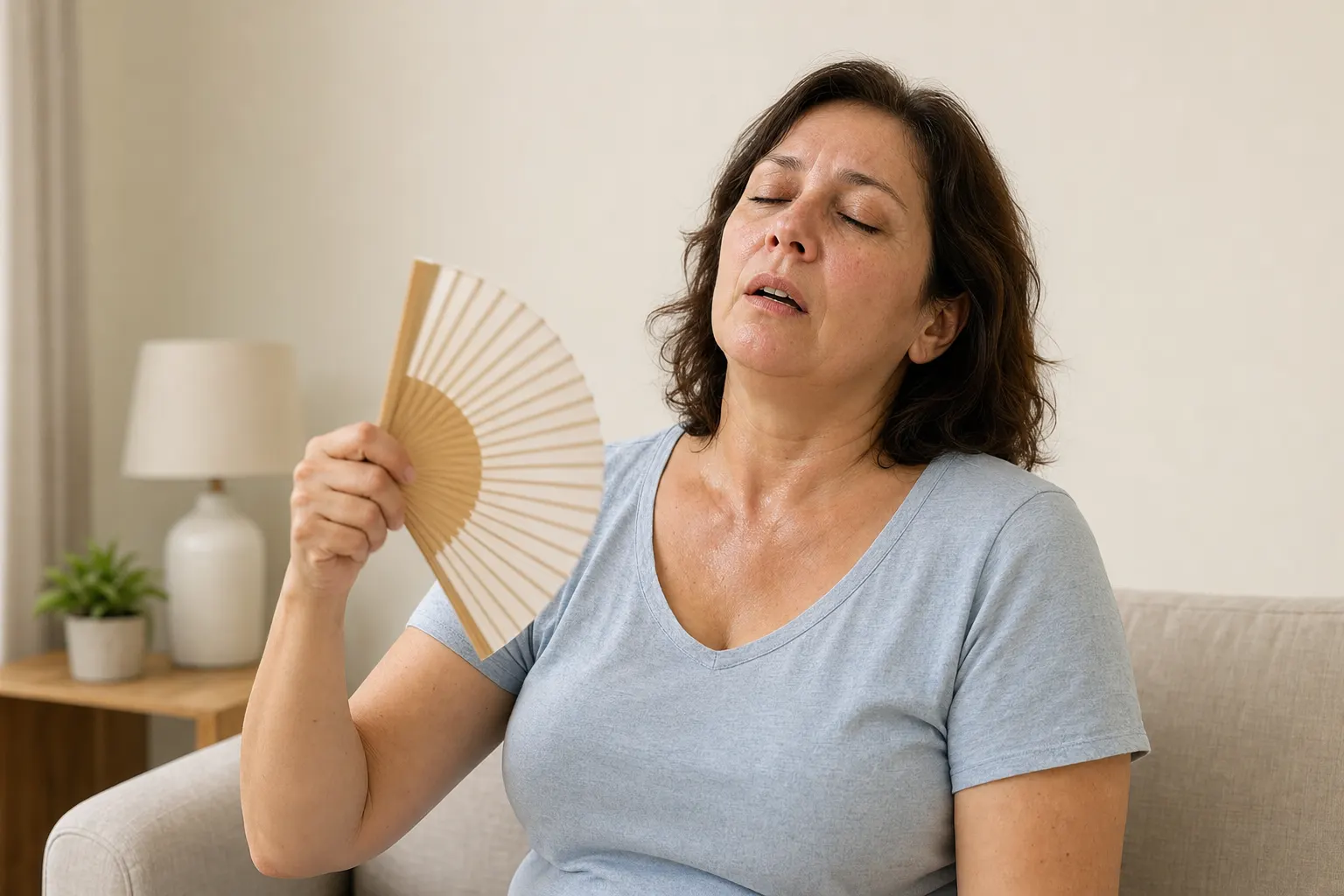
Hot flashes and night sweats are classic symptoms of menopause but are often mistaken for simple reactions to heat or stress. It is essential to recognize that these symptoms are part of hormonal changes and can significantly affect quality of life.
2. Mood Changes: Not All Depression
Hormonal changes can cause mood fluctuations, but not all emotional changes indicate depression. Anxiety and irritability are common, and it is important to address these symptoms with a healthcare professional.
3. Sleep Disturbances: More Than Just Insomnia
Menopause can cause insomnia but may also manifest as interrupted or less restorative sleep. Understanding these changes helps in finding appropriate solutions.
4. Changes in Libido: A Broad Perspective
Decreased libido is a common symptom but is not always due to menopause. Emotional and physical factors can influence it, and it is essential to address these changes without stigma.
5. Weight Gain: More Than a Calorie Issue
Weight gain during menopause can be frustrating but is not always about lack of control. Hormonal changes affect metabolism, requiring a different approach to diet and exercise.
6. Vaginal Health: A Sensitive Topic
Changes in vaginal health, such as dryness or discomfort, are common but often avoided in conversation. Speaking with a professional can help find treatment options that improve quality of life.
7. Importance of Education and Support
Knowing the symptoms and how they may manifest is crucial. Participating in support groups or seeking reliable information can provide a safe space to share experiences.
8. When to Seek Help
If symptoms significantly interfere with daily life, it is time to consult a specialist. Endocrinology can offer appropriate treatments and strategies.
When to seek medical care
If symptoms persist, test results are abnormal, or you have questions about medication, arrange an individual assessment. Do not change treatment or doses without medical guidance.
Frequently asked questions
What are the most common symptoms of menopause?
The most common symptoms include hot flashes, night sweats, mood changes, sleep disturbances, decreased libido, and vaginal changes.
How can I manage menopause symptoms?
It is advisable to consult a specialist who can offer treatment options, which may include hormone therapy, dietary changes, and exercise.
Is it normal to experience emotional changes during menopause?
Yes, hormonal changes can affect mood, but it is important to differentiate between normal changes and symptoms of depression that require attention.
More articles about Menopausia

5 min de lectura
Publicado: 29 de septiembre de 2026 · Actualizado: 29 de septiembre de 2026
Essential Checkups for Early Detection of Complications in Menopause
Learn about the importance of health checkups during menopause to detect complications early.

5 min de lectura
Publicado: 26 de septiembre de 2026 · Actualizado: 26 de septiembre de 2026
Menopause: Keys to Understanding Test Results
A guide to understanding test results related to menopause, clarifying myths and advising when to consult a specialist.

5 min de lectura
Publicado: 17 de septiembre de 2026 · Actualizado: 17 de septiembre de 2026
Menopause: Key Tips to Prepare for Your Medical Check-ups in Bogotá
Learn how to prepare for your medical check-ups during menopause in Bogotá, debunking myths and offering practical steps for effective monitoring.

5 min de lectura
Publicado: 15 de septiembre de 2026 · Actualizado: 15 de septiembre de 2026
Menopause: Identifying Critical Symptoms for Timely Medical Consultation
Discover the critical symptoms of menopause and when it is essential to consult a women's health specialist.

6 min de lectura
Publicado: 21 de agosto de 2026 · Actualizado: 21 de agosto de 2026
Menopause: Treatment Options and What to Expect Along the Way
Explore the treatment alternatives for menopause and what you can expect during this process.

5 min de lectura
Publicado: 19 de septiembre de 2026 · Actualizado: 19 de septiembre de 2026
Menopause Complications: Which Are Most Urgent and How to Address Them in Colombia?
Explore the critical complications of menopause and how to properly address them in the Colombian context.