Educational article
PCOS in the Family: What Family History Suggests—and What It Cannot Predict

Educational content. It does not replace an individual medical assessment and should not be used for self-medication.

Does having PCOS in my family mean I will have it too?
No. Polycystic ovary syndrome (PCOS) can affect more than one person in a family, but a family history does not confirm that someone else has it or guarantee that they will develop it. If a relative has PCOS, it is understandable to have questions; your situation is considered based on your own symptoms and health history.
Myth: PCOS is inherited directly and predictably
PCOS can run in families, and genetic susceptibility likely plays a role along with other factors. However, it usually does not follow a simple inheritance pattern that makes it possible to predict with certainty who will have it. Family history alone cannot be used to calculate an individual’s risk.
What can a family history contribute?
It is useful information to share when discussing your health history, especially if you also have persistent symptoms. It does not show that those symptoms are due to PCOS or automatically explain changes in your menstrual cycle, acne, or other symptoms, which may have different causes.
Family history is not the same as a diagnosis
A diagnosis is not made solely because someone in your family has PCOS. A healthcare professional may assess the pattern of symptoms, menstrual history, and other relevant factors; depending on the situation, they may also consider additional evaluations. Each person’s history and symptoms are assessed separately.
Do I need tests just because a relative has PCOS?
Being related to someone with PCOS does not, by itself, mean that everyone needs testing. Whether an evaluation is appropriate depends on your symptoms, personal history, and other clinical factors. Avoid interpreting isolated results or ordering tests on your own as a substitute for an individual assessment.
When to discuss your own symptoms
If you have persistent menstrual changes, acne that concerns you, or other changes affecting your well-being, you can discuss them with a healthcare professional, whether or not you have a family history. Keeping track of when they began and how they have changed may help you describe them, but these symptoms alone do not confirm PCOS.
What to remember about family history
PCOS can affect more than one person in a family, but a family tree alone cannot predict whether someone will be diagnosed. Family history provides context; it does not replace an assessment of an individual’s history and symptoms. This information is educational and does not replace a medical consultation.
When to seek medical care
If symptoms persist, test results are abnormal, or you have questions about medication, arrange an individual assessment. Do not change treatment or doses without medical guidance.
Frequently asked questions
If my sister has PCOS, does that confirm that my symptoms are also PCOS?
No. Family history does not confirm a diagnosis. Your symptoms and history should be assessed separately, since they may have different explanations.
Does someone without symptoms need testing because a family member has PCOS?
Not necessarily. Being related to someone with PCOS does not, by itself, mean you need testing; whether an evaluation is appropriate depends on your clinical situation.
What family information is worth mentioning when speaking with a healthcare professional?
You can say which relative has been diagnosed and describe your own symptoms, when they began, and whether they persist. This information provides context, but it does not determine a diagnosis on its own.
Does this topic resonate with you?
Every case is different. Book a consultation to review your history, test results and goals with a personalized plan.
More articles about Polycystic ovary syndrome (PCOS)

6 min de lectura
Publicado: 30 de octubre de 2026 · Actualizado: 30 de octubre de 2026
Irregular Periods and New Acne or Hair Growth: What Else Is Evaluated Before Diagnosing PCOS
Unpredictable cycles and certain persistent changes in the skin or hair may prompt an evaluation, but they do not confirm PCOS. Learn what information is considered and why other causes may be reviewed.

6 min de lectura
Publicado: 29 de octubre de 2026 · Actualizado: 29 de octubre de 2026
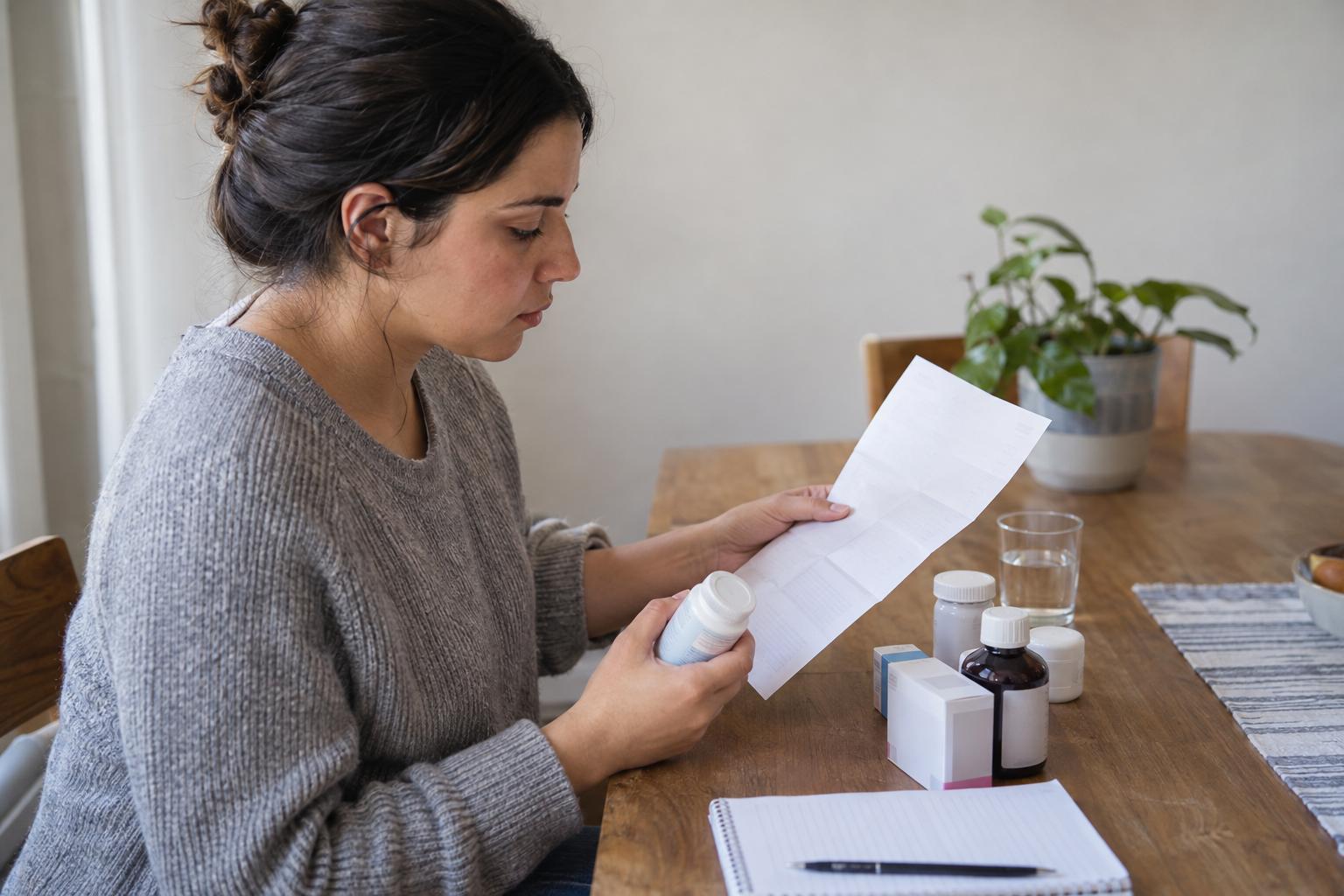
PCOS and Metabolic Health: What May Influence Treatment Choices
Learn how symptoms, medical history, and certain health results may guide the evaluation and follow-up of polycystic ovary syndrome (PCOS), without reducing health to weight.
5 min de lectura
Publicado: 22 de octubre de 2026 · Actualizado: 22 de octubre de 2026
PCOS and Acute Illness: Which Follow-Up Visits Can Wait and Which Cannot
A significant infection or hospitalization can temporarily affect follow-up for polycystic ovary syndrome. Learn what to ask about appointments, tests, and medications before changing your care plan.

5 min de lectura
Publicado: 18 de octubre de 2026 · Actualizado: 18 de octubre de 2026
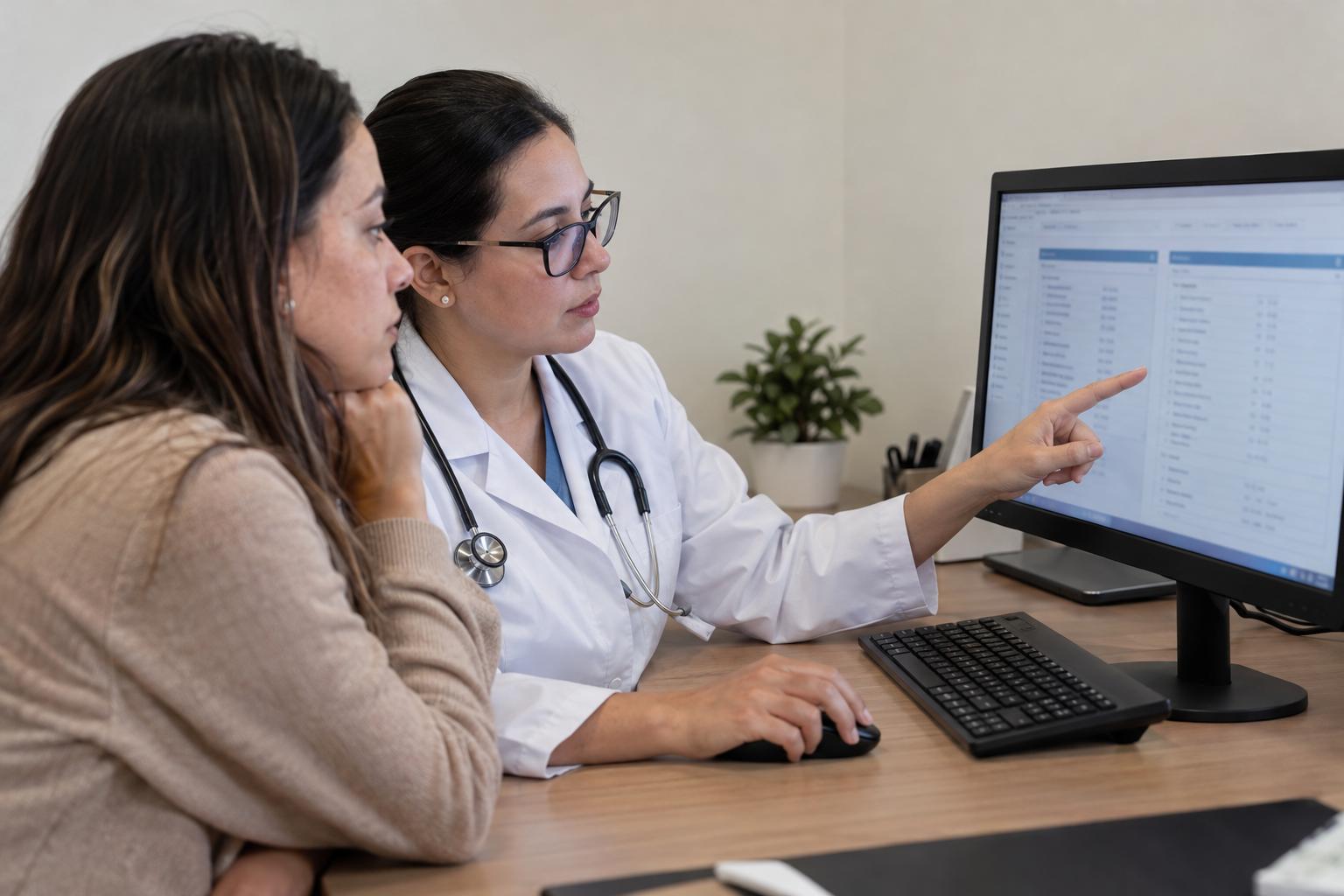
PCOS and Everyday Movement: Find an Option You Can Stick With
Ideas for adding everyday movement if you have PCOS, with gradual options suited to your preferences, abilities, and routine.
5 min de lectura
Publicado: 11 de octubre de 2026 · Actualizado: 11 de octubre de 2026
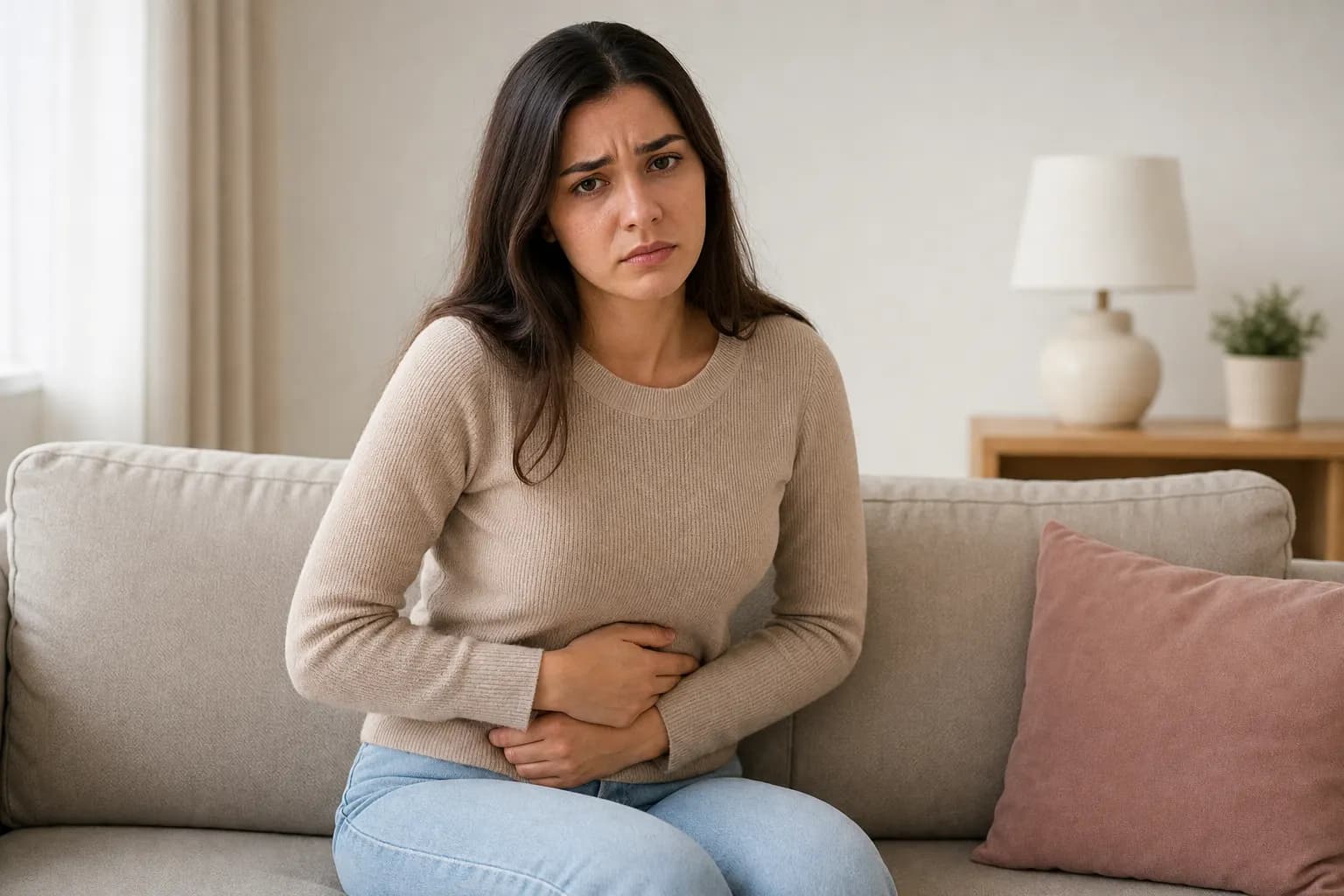
Insulin and Polycystic Ovary Syndrome: A Relationship That Does Not Explain Every Case
Learn how insulin resistance may be related to polycystic ovary syndrome (PCOS), why it does not explain every case, and how metabolic assessment is individualized.
5 min de lectura
Publicado: 22 de septiembre de 2026 · Actualizado: 22 de septiembre de 2026
Subtle Symptoms of Polycystic Ovary Syndrome: When Is It Time to Consult a Doctor?
Explore the less common symptoms of polycystic ovary syndrome and when it is crucial to seek medical care.