Educational article
PCOS and Acute Illness: Which Follow-Up Visits Can Wait and Which Cannot

Educational content. It does not replace an individual medical assessment and should not be used for self-medication.
What can change during an acute illness
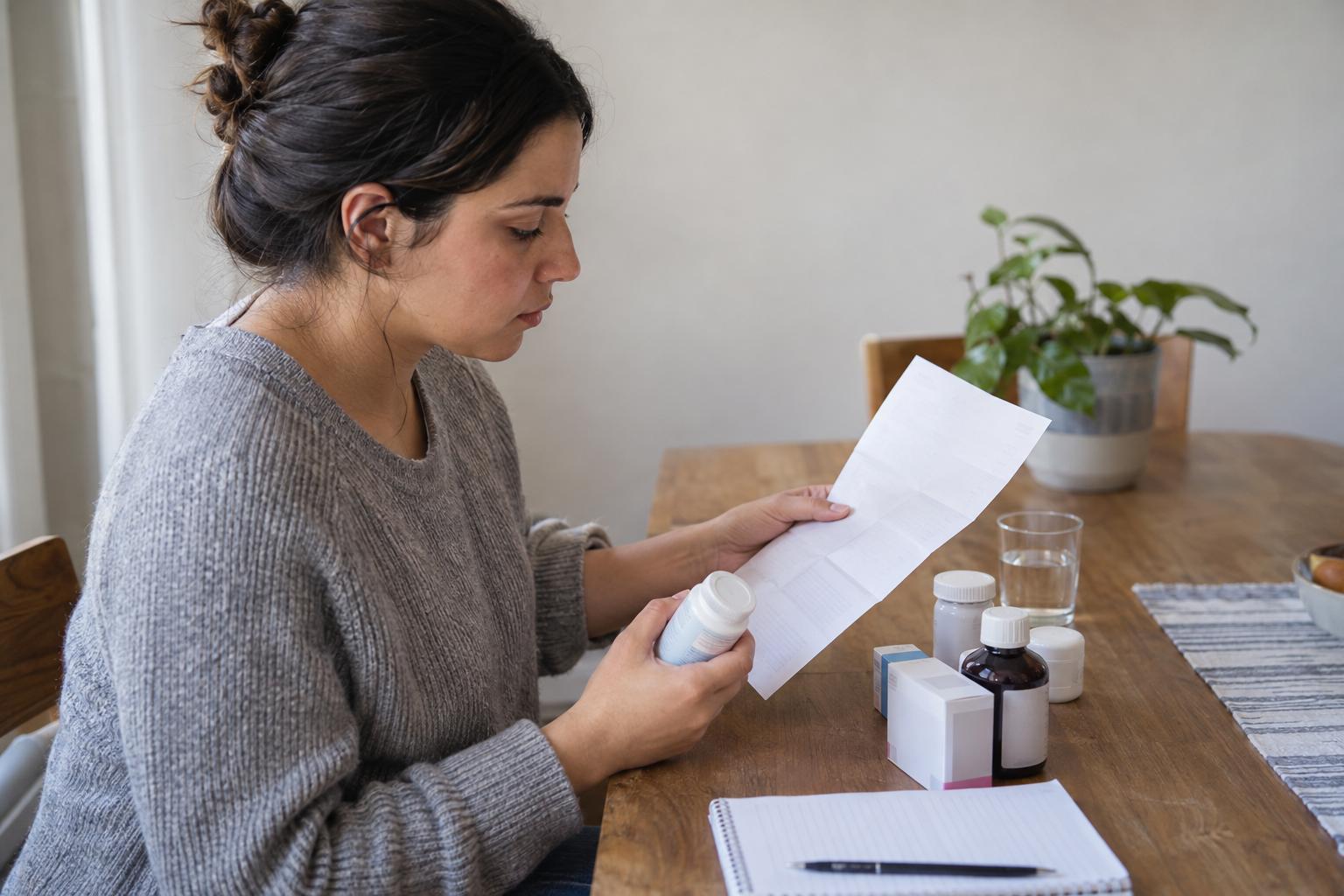
Polycystic ovary syndrome (PCOS) may require long-term follow-up. A significant infection or hospitalization can temporarily interrupt appointments and routine care. This does not, by itself, mean that PCOS has worsened or that any change you notice is due to the illness. During the acute episode, addressing the immediate problem is the priority. Your care team can help reorganize follow-up based on your recovery and the reason the appointments were requested.
How to interpret changes during recovery
Appetite, rest, and activity may vary while you are ill or recovering. Your menstrual cycle may also change temporarily, but that change cannot automatically be attributed to the infection: other factors and the usual course of PCOS may also play a role. Make a note of when the illness began and whether any changes in your cycle or other symptoms continue after recovery. A single observation during an acute illness is not enough to conclude that a permanent change has occurred.
How to decide whether to keep or reschedule an appointment
The decision depends on the reason for the appointment, your health, and whether the test is still useful at that time. If you have an upcoming follow-up visit, contact the clinician who ordered it to ask whether you should attend, reschedule, or prioritize care for the acute illness first. Do not assume that all appointments should be postponed or that all tests should be done right away. Some results may need to be interpreted in light of your recent illness; in certain cases, your care team may recommend repeating or rescheduling a test after you recover. The decision depends on the specific clinical question.
Check before changing medications
If you take prescribed medications as part of your care, consult your care team before stopping them, changing how you take them, or restarting them after an interruption. The recommendation depends on the medication, why it was prescribed, and the acute illness. If you were prescribed a new treatment during that care, tell the clinician who manages your PCOS follow-up. Sharing your medication list and the instructions you received can help coordinate your care plan.
What information to bring when you resume follow-up
Make a note of when the illness began, what care you received, and which changes continue after recovery. Bring any available test results, your discharge or emergency visit summary, and an up-to-date list of prescribed medications, including any changes recommended by other professionals. In Colombia, sharing your emergency visit summary with the team responsible for your routine follow-up helps them understand the instructions you have already received and avoids relying only on your memory of what happened.
When not to wait for a PCOS follow-up appointment
If your condition worsens or you develop symptoms that concern you, seek medical guidance or care as appropriate; do not wait for your next PCOS follow-up appointment. Whether you need urgent care depends on the acute problem and how it progresses, not on the timing of your endocrinology appointment. PCOS follow-up does not replace evaluation of an illness that requires immediate attention. If you are unsure where to seek care, contact the health services available to you for guidance.
Resume your plan with complete information
An acute illness may require adjustments to appointment dates and priorities without meaning that you should abandon PCOS follow-up. Checking before changing medications, sharing the instructions you received, and confirming the appropriate timing for tests can help you resume your plan in a coordinated way. This content is for educational purposes and does not replace a medical consultation. At Endomedicos, Dr. Teresita Cortes can address questions about follow-up based on each person’s medical history.
When to seek medical care
If symptoms persist, test results are abnormal, or you have questions about medication, arrange an individual assessment. Do not change treatment or doses without medical guidance.
Frequently asked questions
Does a change in my cycle during an infection mean my PCOS has worsened?
Not necessarily. Changes may occur during an illness, but not every change can be attributed to the infection, and its cause cannot be determined remotely. If it continues after recovery, discuss it with the team managing your follow-up.
Should I postpone all appointments and tests until I recover?
There is no single answer. It depends on the reason for the appointment, the test, and how you are feeling. Ask the clinician who ordered the appointment or test whether to keep it or reschedule.
Can I stop a PCOS medication while I am sick?
Do not stop or change it on your own. Consult your care team, which can take into account the medication, the acute illness, and the instructions you received during your care.
Does this topic resonate with you?
Every case is different. Book a consultation to review your history, test results and goals with a personalized plan.
More articles about Polycystic ovary syndrome (PCOS)

5 min de lectura
Publicado: 12 de noviembre de 2026 · Actualizado: 12 de noviembre de 2026
PCOS in the Family: What Family History Suggests—and What It Cannot Predict
Polycystic ovary syndrome can affect more than one person in a family. Knowing about a family history provides context, but it does not confirm a diagnosis or predict who will have PCOS.

6 min de lectura
Publicado: 30 de octubre de 2026 · Actualizado: 30 de octubre de 2026
Irregular Periods and New Acne or Hair Growth: What Else Is Evaluated Before Diagnosing PCOS
Unpredictable cycles and certain persistent changes in the skin or hair may prompt an evaluation, but they do not confirm PCOS. Learn what information is considered and why other causes may be reviewed.

6 min de lectura
Publicado: 29 de octubre de 2026 · Actualizado: 29 de octubre de 2026
PCOS and Metabolic Health: What May Influence Treatment Choices
Learn how symptoms, medical history, and certain health results may guide the evaluation and follow-up of polycystic ovary syndrome (PCOS), without reducing health to weight.

5 min de lectura
Publicado: 18 de octubre de 2026 · Actualizado: 18 de octubre de 2026
PCOS and Everyday Movement: Find an Option You Can Stick With
Ideas for adding everyday movement if you have PCOS, with gradual options suited to your preferences, abilities, and routine.

5 min de lectura
Publicado: 22 de septiembre de 2026 · Actualizado: 22 de septiembre de 2026
Subtle Symptoms of Polycystic Ovary Syndrome: When Is It Time to Consult a Doctor?
Explore the less common symptoms of polycystic ovary syndrome and when it is crucial to seek medical care.

5 min de lectura
Publicado: 14 de septiembre de 2026 · Actualizado: 14 de septiembre de 2026
Practical Strategies to Prevent Complications of Polycystic Ovary Syndrome in Daily Life
Discover effective and practical strategies to prevent complications of polycystic ovary syndrome in your daily life, focusing on women's health.