Educational article
Traveling With Hypoparathyroidism: How to Prepare for Monitoring, Supplements, and a Backup Plan

Educational content. It does not replace an individual medical assessment and should not be used for self-medication.
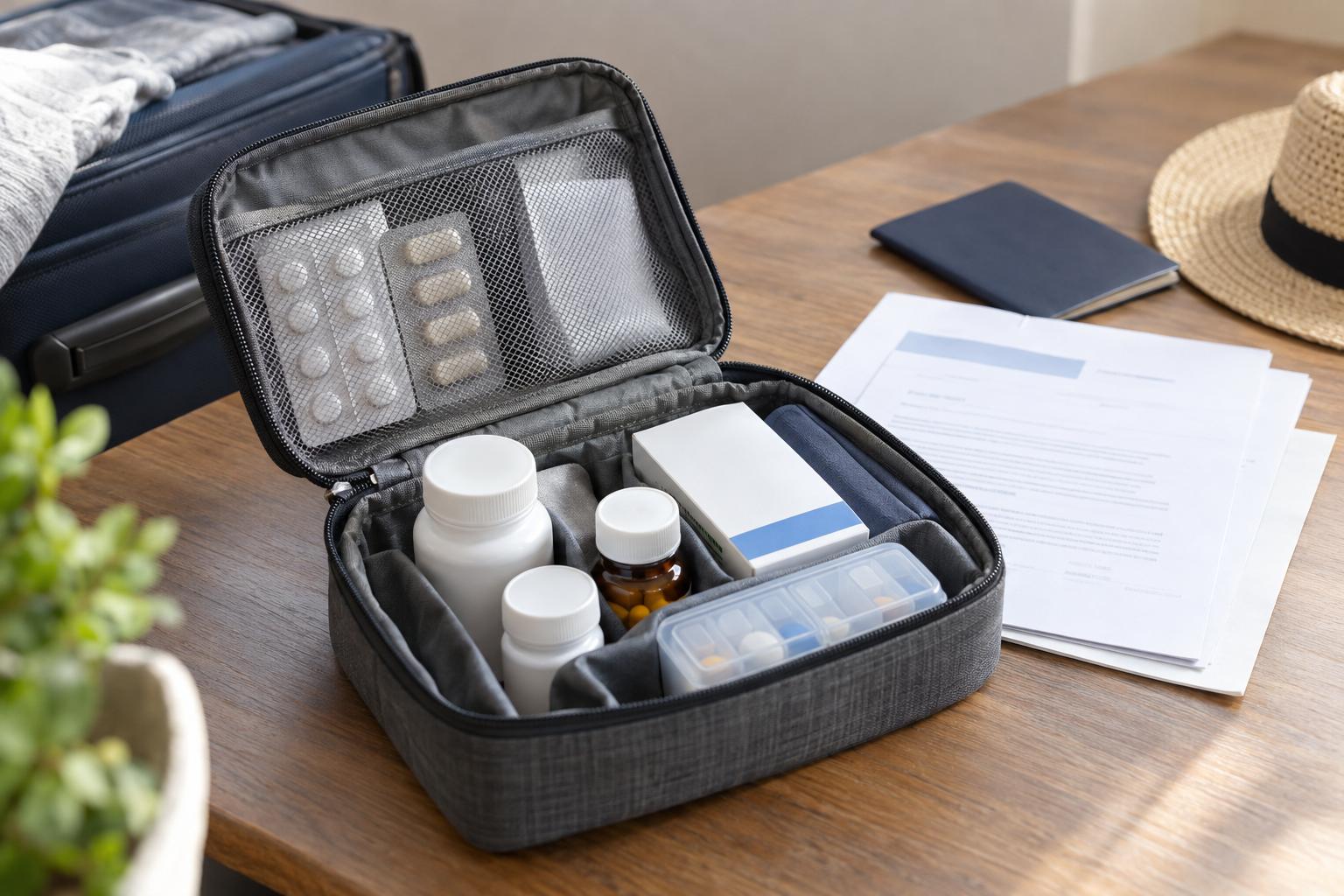
Does traveling with hypoparathyroidism require a treatment change?
Not necessarily. Travel, altitude, or weather should not be presented as direct causes of changes in calcium levels. The priority is to maintain your prescribed plan and anticipate how to follow it while traveling. Do not change or stop calcium or active vitamin D unless your care team tells you to.
Prepare your medications before departure day
Check in advance which medications you need and how long you will be away. Carry them in their original containers, and agree with your care team on an appropriate extra supply for the length of your trip and access to medications at your destination. If you are flying or crossing borders, check the applicable requirements for carrying them ahead of time.
Which documents should you bring?
Bring your current prescription and a relevant clinical summary noting your hypoparathyroidism or the reason for follow-up, your prescribed treatment, and, if you have them, your care team's contact information. These documents may help support continuity of care if you need to explain your situation to a health care professional at your destination.
When should you speak with your care team before leaving?
Ask for guidance before a long trip, if you will have limited access to medical care, or if you are unsure how to complete scheduled monitoring. You can also coordinate with your team about managing your medication supply and what to do if a problem arises during the trip. Recommendations depend on your clinical situation; this guide does not replace individualized advice.
Agree on what to do if symptoms occur
Before traveling, ask your care team how to recognize and report symptoms you are already familiar with and what steps to take if they occur. Follow your individual plan, and do not adjust calcium or active vitamin D on your own. If symptoms are severe, new, or concerning, seek medical care and explain your medical history.
What should you do about monitoring and test results while traveling?
Check whether you have tests or appointments scheduled, and discuss with your care team whether to keep them, reschedule them, or arrange them elsewhere, as appropriate. Confirm how to share results and whom to contact if a health care professional identifies changes. Do not use a single test result to change your treatment without clinical guidance.
Plan according to your destination and trip length
Consider how long you will be away, your access to medical care, and how to contact your care team if a question comes up. For example, when traveling between cities in Colombia, plan for transporting medications and arranging monitoring based on the trip's length and conditions. A difference in altitude alone does not mean your calcium levels will change.
A short checklist before you leave
Make sure you have your medications in their original containers and in the agreed-upon quantity, along with your prescription and clinical summary. Also confirm how to contact your care team, where to seek care at your destination, and what plan to follow if symptoms occur or a medication supply problem arises.
When to seek medical care
If symptoms persist, test results are abnormal, or you have questions about medication, arrange an individual assessment. Do not change treatment or doses without medical guidance.
Frequently asked questions
Can I travel if I have pending calcium monitoring?
It depends on your situation and when the monitoring is scheduled. Consult your care team to agree on whether you should have it done before traveling, reschedule it, or arrange it at your destination.
Should I bring extra medication for my trip?
Agree with your care team on the appropriate quantity based on the length of your trip and access to medications at your destination. Keep medications in their original containers, and check the requirements for carrying them in advance.
Can a change in altitude or weather cause calcium levels to become unstable?
Do not assume that altitude, weather, or travel directly causes calcium levels to become unstable. Planning focuses on maintaining treatment and agreeing on what to do if symptoms or changes in test results occur.
Does this topic resonate with you?
Every case is different. Book a consultation to review your history, test results and goals with a personalized plan.
More articles about Parathyroid, calcium and vitamin D

5 min de lectura
Publicado: 12 de noviembre de 2026 · Actualizado: 12 de noviembre de 2026
Vitamin D and Calcium: Medical History to Share with Your Endocrinologist
Learn how kidney or digestive diseases, certain surgeries, and treatments can provide context when reviewing vitamin D, calcium, and PTH, without attributing changes to a single cause.

5 min de lectura
Publicado: 9 de noviembre de 2026 · Actualizado: 9 de noviembre de 2026
Changes in Mobility and Energy in Older Adults: When to Discuss Calcium and the Parathyroid Glands
Taking longer to stand up, walk, or complete tasks can have many causes. Learn which changes to describe and when to discuss them during a clinical evaluation, without automatically attributing them to calcium or the parathyroid glands.
6 min de lectura
Publicado: 8 de noviembre de 2026 · Actualizado: 8 de noviembre de 2026
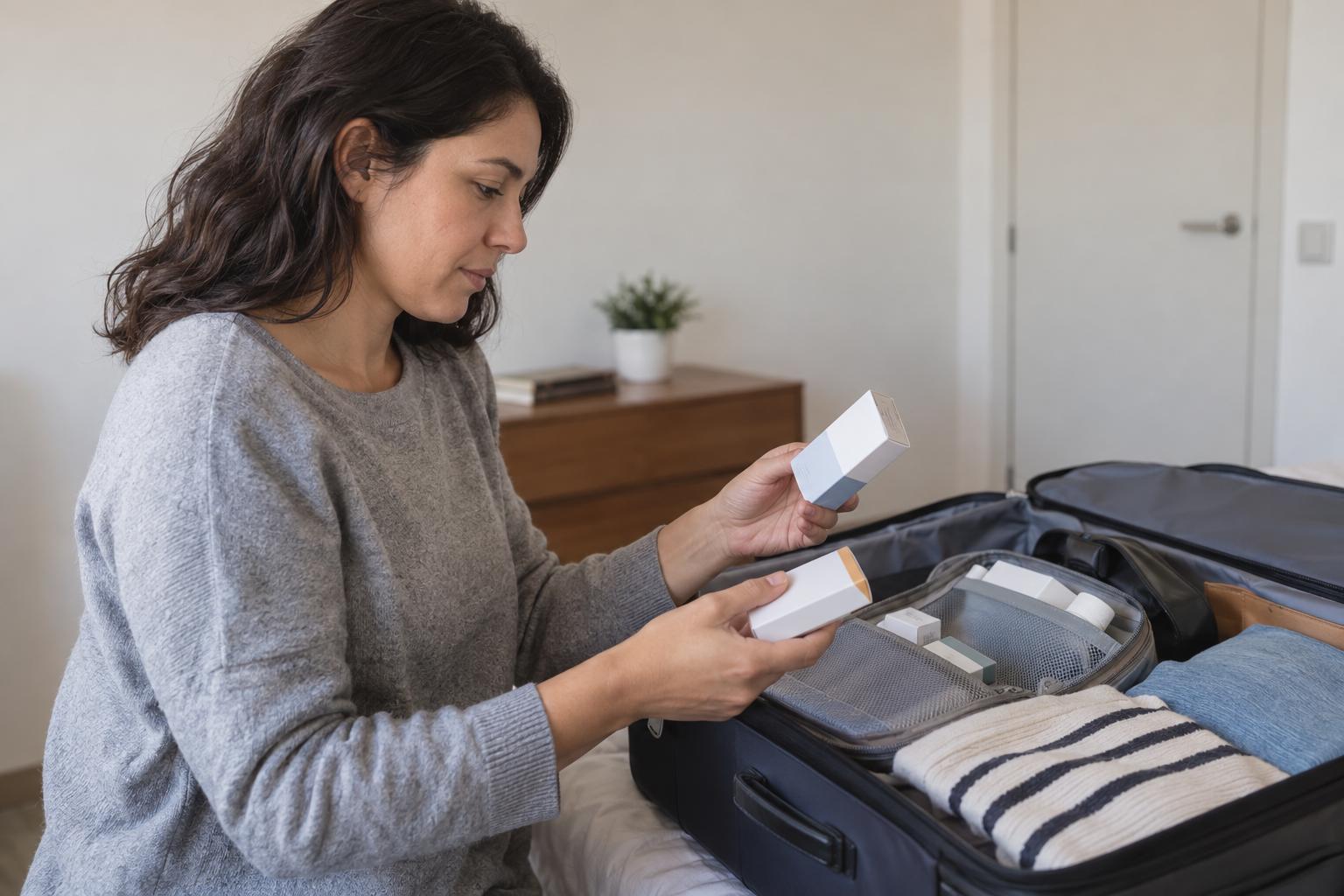
Calcium and Vitamin D Outside Your Routine: Planning for Travel, Fasting, and Different Schedules
What to discuss with your care team about calcium, vitamin D, fasting, and timing before traveling or changing your routine—without changing your treatment on your own.
5 min de lectura
Publicado: 5 de noviembre de 2026 · Actualizado: 5 de noviembre de 2026
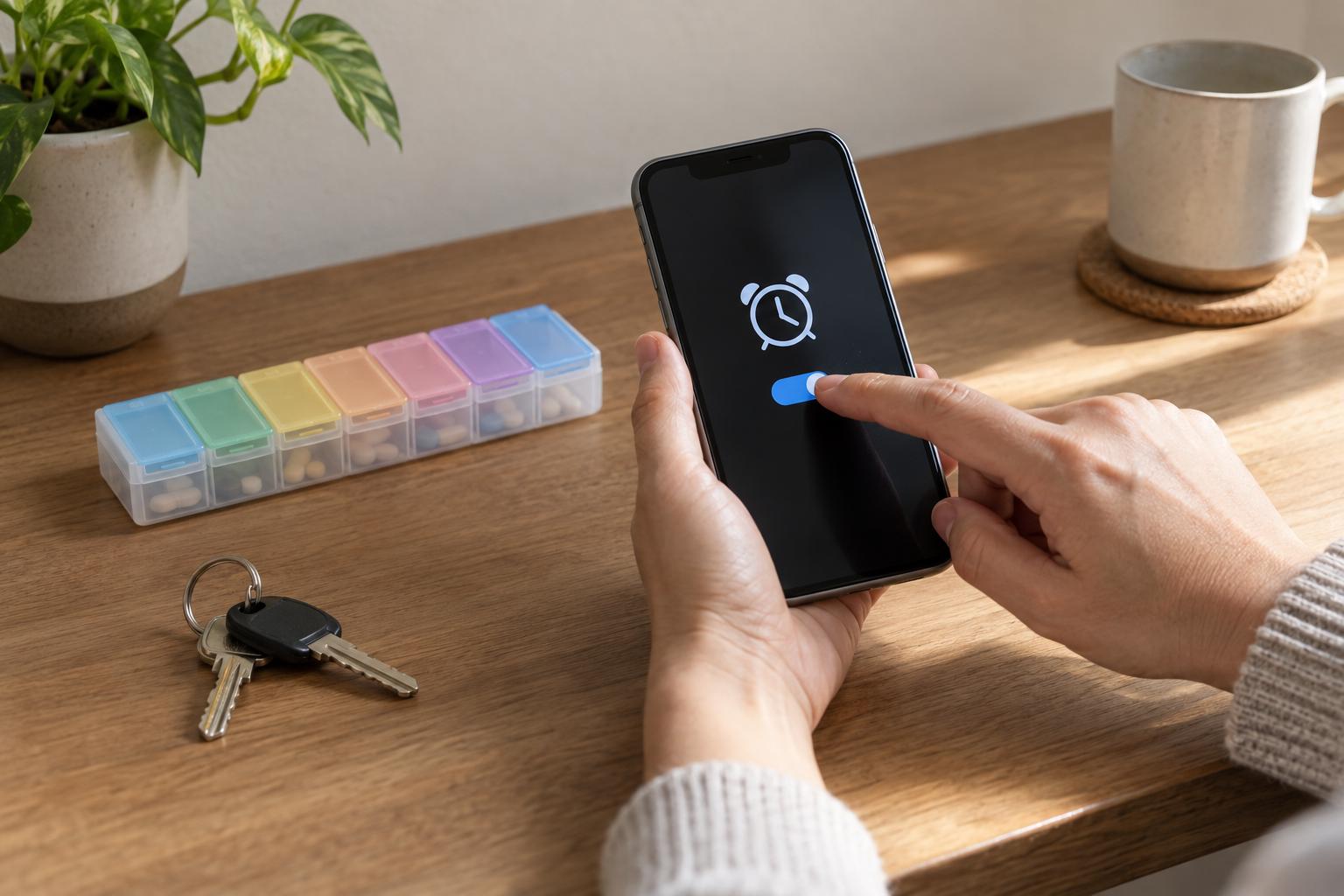
A Simple Plan for Keeping Up With Your Parathyroid Care During Busy Weeks
Practical strategies to help you remember your parathyroid, calcium, and vitamin D instructions during busy weeks, without changing your treatment on your own.
5 min de lectura
Publicado: 3 de noviembre de 2026 · Actualizado: 3 de noviembre de 2026
Medications for Hyperparathyroidism: When to Control Calcium and When to Protect Bone Health
Cinacalcet, bisphosphonates, and denosumab may serve different purposes. Learn which aspects of blood calcium and bone health they may address and why the choice and monitoring depend on each individual case.
5 min de lectura
Publicado: 3 de noviembre de 2026 · Actualizado: 3 de noviembre de 2026
Low Vitamin D and the Parathyroid Glands: Preventing Ongoing Changes from Affecting Bones and Muscles
Insufficient vitamin D may raise PTH as a compensatory response and affect bone metabolism. Learn how these results are interpreted and why correction should be individualized.