Educational article
Parathyroid Conditions and Exercise: How to Adapt Movement to Your Calcium Levels

Educational content. It does not replace an individual medical assessment and should not be used for self-medication.

Appropriate activity depends on each person’s situation
Movement can be part of daily life, but appropriate activity depends on the cause of the calcium imbalance, the diagnosis, symptoms, treatment, and bone health. General guidance does not replace your care team’s recommendations. If you have active symptoms or known bone fragility, consult your care team before starting or increasing your level of exertion.
Review what information to share with your care team
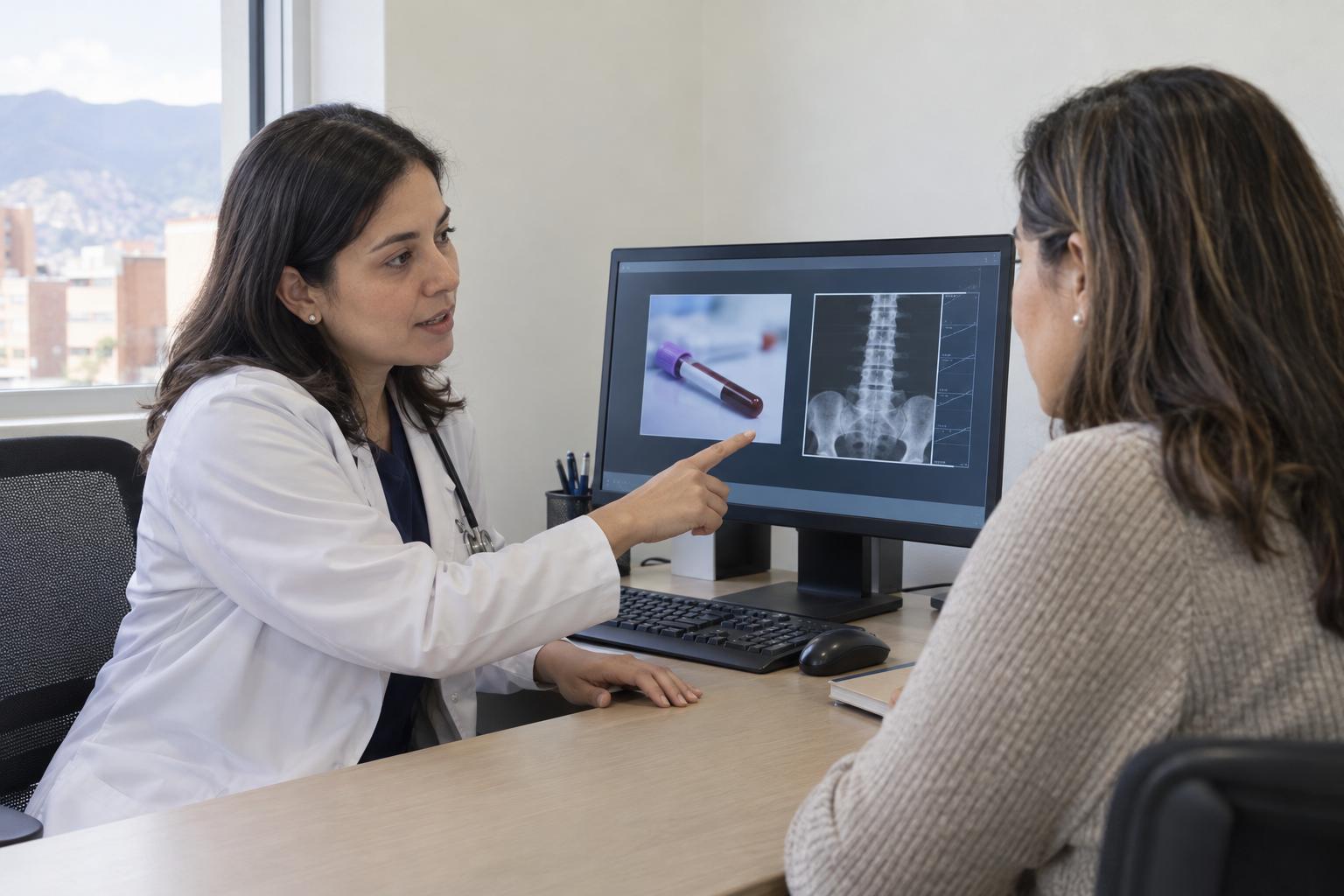
Before starting or resuming activity, ask whether your diagnosis and recent test results affect any recommendations. Discuss your symptoms, the treatment you receive, and any history of bone loss, fractures, or bone fragility. Do not interpret a calcium result on its own: its meaning depends on the clinical context and other information.
Agree on which movements are appropriate
Ask which activities may be appropriate for you and whether certain movements or levels of exertion should be modified or avoided. Impact, strength, or weight-bearing exercises are not appropriate for everyone with calcium imbalances. The decision should take into account the cause of the change and your individual bone risk.
Start gradually and pay attention to how you feel
If your care team considers activity appropriate for you, begin with movement you can tolerate and increase gradually rather than suddenly switching to a more demanding routine. If a new symptom appears, pause the activity and consult your care team before increasing the intensity. There is no amount or intensity that is universally appropriate for everyone.
An everyday example: walking in Bogotá
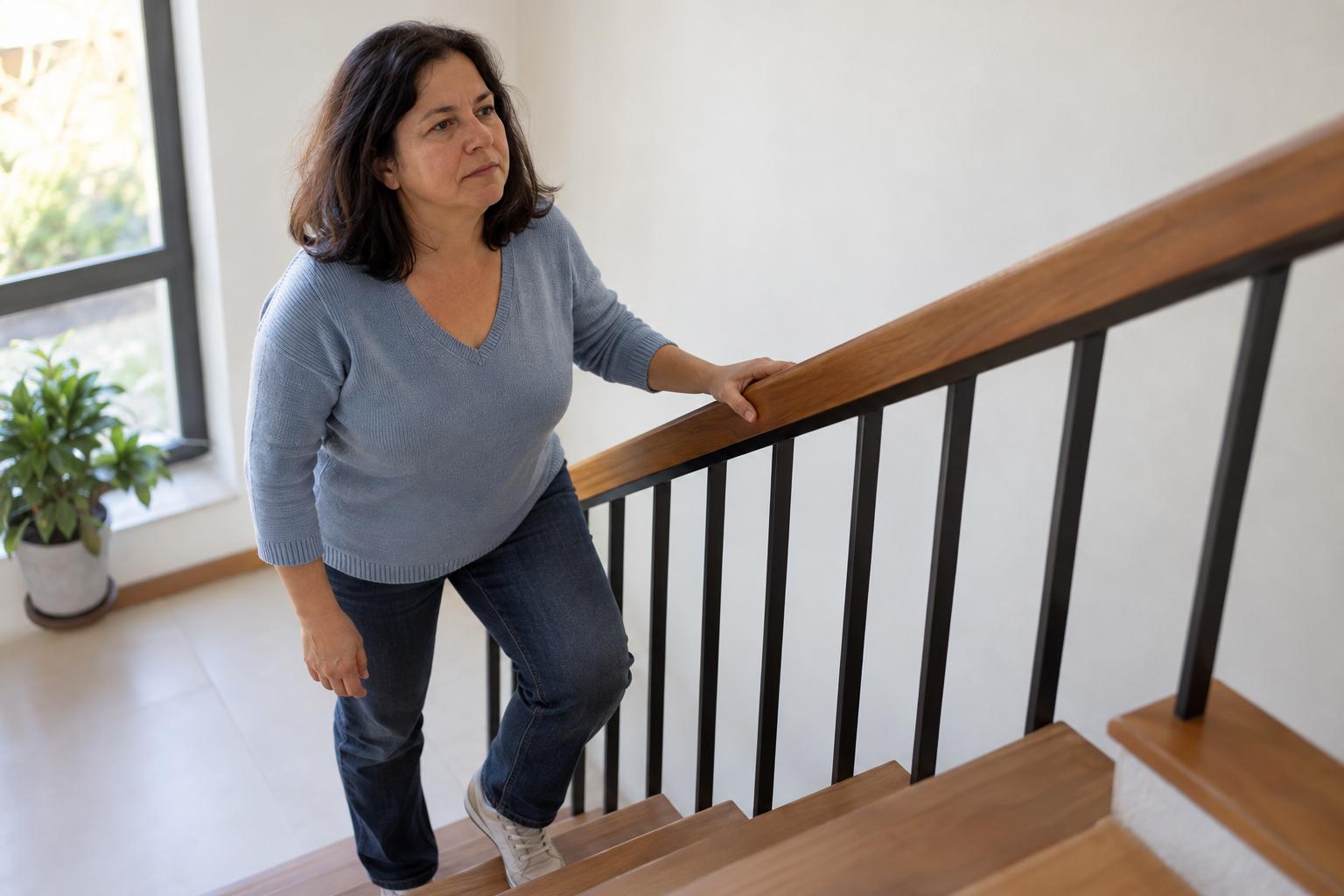
For some people, a relaxed walk in a park or adding walking to daily trips may be a practical way to move. Adjust the distance, terrain, and pace to your tolerance and clinical recommendations. This example does not mean that walking is appropriate in every situation.
If symptoms appear, pause and consider what to do
Marked weakness, cramps, tingling, spasms, dizziness, or new bone pain may warrant pausing and seeking advice. These symptoms alone do not confirm that calcium is the cause; an evaluation may consider different possibilities. If symptoms are severe, worsen, or make you feel at risk, seek prompt medical attention. Do not try to address them by changing your exercise or treatment on your own.
Exercise does not replace treatment or monitoring
Physical activity can be part of general care, but it does not, by itself, normalize calcium or cure parathyroid disease. Continue treatment and laboratory monitoring as directed by your care team. Do not stop or change medications or supplements because you have started exercising.
Agree on a follow-up plan
At your next appointment, describe the activity you want to do, the symptoms you notice, and any relevant history of bone fragility. Agree on what changes you can try, which signs should prompt you to pause, and when to review the plan. This allows recommendations to be tailored to your situation rather than based on a generic routine.
When to seek medical care
If symptoms persist, test results are abnormal, or you have questions about medication, arrange an individual assessment. Do not change treatment or doses without medical guidance.
Frequently asked questions
Can I start exercising if I have hyperparathyroidism or hypoparathyroidism?
It depends on the cause of the calcium imbalance, your symptoms, treatment, and bone health. Talk with your care team before starting or increasing activity, especially if you have symptoms or known bone fragility.
What should I do if I have cramps, tingling, or dizziness while moving?
Pause the activity and consult your care team so they can assess the symptom. Do not assume it is caused by calcium, and do not change your treatment or supplements on your own. If the symptom is severe or gets worse, seek prompt medical attention.
Does exercise replace calcium monitoring?
No. Exercise does not replace prescribed treatment or laboratory monitoring. Follow the monitoring plan agreed on with your care team.
Does this topic resonate with you?
Every case is different. Book a consultation to review your history, test results and goals with a personalized plan.
More articles about Parathyroid, calcium and vitamin D

5 min de lectura
Publicado: 12 de noviembre de 2026 · Actualizado: 12 de noviembre de 2026
Vitamin D and Calcium: Medical History to Share with Your Endocrinologist
Learn how kidney or digestive diseases, certain surgeries, and treatments can provide context when reviewing vitamin D, calcium, and PTH, without attributing changes to a single cause.

5 min de lectura
Publicado: 9 de noviembre de 2026 · Actualizado: 9 de noviembre de 2026
Changes in Mobility and Energy in Older Adults: When to Discuss Calcium and the Parathyroid Glands
Taking longer to stand up, walk, or complete tasks can have many causes. Learn which changes to describe and when to discuss them during a clinical evaluation, without automatically attributing them to calcium or the parathyroid glands.

6 min de lectura
Publicado: 8 de noviembre de 2026 · Actualizado: 8 de noviembre de 2026
Calcium and Vitamin D Outside Your Routine: Planning for Travel, Fasting, and Different Schedules
What to discuss with your care team about calcium, vitamin D, fasting, and timing before traveling or changing your routine—without changing your treatment on your own.

5 min de lectura
Publicado: 5 de noviembre de 2026 · Actualizado: 5 de noviembre de 2026
A Simple Plan for Keeping Up With Your Parathyroid Care During Busy Weeks
Practical strategies to help you remember your parathyroid, calcium, and vitamin D instructions during busy weeks, without changing your treatment on your own.
5 min de lectura
Publicado: 3 de noviembre de 2026 · Actualizado: 3 de noviembre de 2026
Medications for Hyperparathyroidism: When to Control Calcium and When to Protect Bone Health
Cinacalcet, bisphosphonates, and denosumab may serve different purposes. Learn which aspects of blood calcium and bone health they may address and why the choice and monitoring depend on each individual case.
5 min de lectura
Publicado: 3 de noviembre de 2026 · Actualizado: 3 de noviembre de 2026
Low Vitamin D and the Parathyroid Glands: Preventing Ongoing Changes from Affecting Bones and Muscles
Insufficient vitamin D may raise PTH as a compensatory response and affect bone metabolism. Learn how these results are interpreted and why correction should be individualized.