Educational article
Keep Moving Without Overdoing It: Breaks and Energy While Calcium Is Being Evaluated

Educational content. It does not replace an individual medical assessment and should not be used for self-medication.

What it means to organize everyday movement
While a change in calcium is being evaluated, organizing activities means adapting usual tasks to how the person feels and to any instructions they have received. It does not mean starting an exercise program, nor does it mean that everyone needs to stop moving. Recommendations depend on whether calcium is high or low, the cause, symptoms, and clinical evaluation.
Adjust tasks based on how you feel
If a task becomes difficult to keep doing, you can stop, switch to another activity, or ask for help. Try not to suddenly increase your workload or push yourself to finish a task. Symptoms such as weakness, confusion, nausea, or palpitations can have many possible causes; on their own, they do not show whether calcium is abnormal. If they are new, severe, or getting worse, seek medical guidance.
Break tasks into manageable parts
You can divide a task into stages, alternate activities that require standing with others you can do seated, or leave nonurgent tasks for another time. These are general options, not a routine recommended for everyone. If your healthcare professional has given you specific instructions, follow them and check with them before making significant changes.
There is no universal schedule for breaks
The length and frequency of breaks depend on the task, symptoms, and clinical instructions. There is no single rule that applies to everyone. If you are unsure how to adjust your activities while the results are being clarified, write down your questions to discuss with the team overseeing your evaluation.
Consider activities that add up over the day
Work, studying, commuting, and caregiving responsibilities are also part of your daily activity. If a day feels more demanding than usual, consider spreading out nonurgent tasks or asking for help. There is no general number of steps, amount of walking, or amount of rest that can be recommended based only on a calcium result without knowing the clinical context.
What information to share during your evaluation
Describe the tasks you usually do, what has changed, and whether you notice symptoms during or after any activity. You can write down what you were doing and whether you had to stop. Also share any instructions you have already received and your questions about work, studying, or household tasks. This information complements tests and the evaluation; it does not replace clinical interpretation.
When to seek guidance
A single laboratory result does not, by itself, determine what activity is appropriate. Avoid both automatically stopping all movement and starting an exercise plan without guidance. Contact your treating team if new symptoms appear, existing symptoms get worse, or you are unsure how to follow the instructions. If you have severe symptoms or a significant change in your condition, seek timely medical care.
When to seek medical care
If symptoms persist, test results are abnormal, or you have questions about medication, arrange an individual assessment. Do not change treatment or doses without medical guidance.
Frequently asked questions
Do I need to stop all my activities while my calcium is being evaluated?
Not necessarily. Appropriate activity depends on whether calcium is high or low, the cause, symptoms, and clinical evaluation. Check with the healthcare professional who knows your situation before making significant changes.
How long should I rest between tasks?
There is no universal interval. Adjust breaks based on the activity and the instructions you have received; if you have questions, discuss them with your healthcare team.
What should I do if a new symptom appears during a task?
Stop the activity if you do not feel well and seek medical guidance, especially if the symptom is severe, gets worse, or represents a significant change. Do not try to determine the cause on your own.
Does this topic resonate with you?
Every case is different. Book a consultation to review your history, test results and goals with a personalized plan.
More articles about Parathyroid, calcium and vitamin D

5 min de lectura
Publicado: 12 de noviembre de 2026 · Actualizado: 12 de noviembre de 2026
Vitamin D and Calcium: Medical History to Share with Your Endocrinologist
Learn how kidney or digestive diseases, certain surgeries, and treatments can provide context when reviewing vitamin D, calcium, and PTH, without attributing changes to a single cause.

5 min de lectura
Publicado: 9 de noviembre de 2026 · Actualizado: 9 de noviembre de 2026
Changes in Mobility and Energy in Older Adults: When to Discuss Calcium and the Parathyroid Glands
Taking longer to stand up, walk, or complete tasks can have many causes. Learn which changes to describe and when to discuss them during a clinical evaluation, without automatically attributing them to calcium or the parathyroid glands.

6 min de lectura
Publicado: 8 de noviembre de 2026 · Actualizado: 8 de noviembre de 2026
Calcium and Vitamin D Outside Your Routine: Planning for Travel, Fasting, and Different Schedules
What to discuss with your care team about calcium, vitamin D, fasting, and timing before traveling or changing your routine—without changing your treatment on your own.
5 min de lectura
Publicado: 5 de noviembre de 2026 · Actualizado: 5 de noviembre de 2026
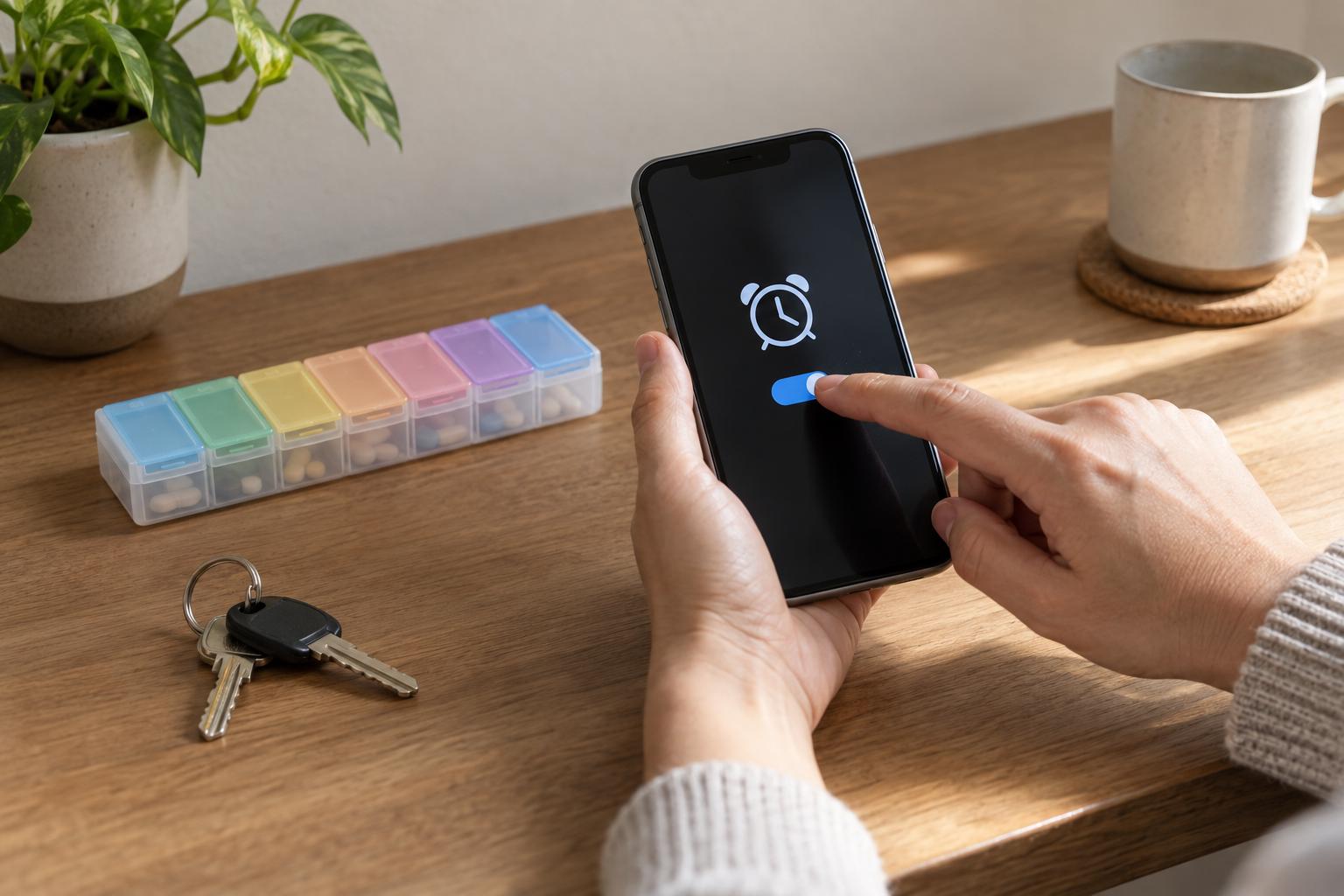
A Simple Plan for Keeping Up With Your Parathyroid Care During Busy Weeks
Practical strategies to help you remember your parathyroid, calcium, and vitamin D instructions during busy weeks, without changing your treatment on your own.

5 min de lectura
Publicado: 3 de noviembre de 2026 · Actualizado: 3 de noviembre de 2026
Medications for Hyperparathyroidism: When to Control Calcium and When to Protect Bone Health
Cinacalcet, bisphosphonates, and denosumab may serve different purposes. Learn which aspects of blood calcium and bone health they may address and why the choice and monitoring depend on each individual case.
5 min de lectura
Publicado: 3 de noviembre de 2026 · Actualizado: 3 de noviembre de 2026
Low Vitamin D and the Parathyroid Glands: Preventing Ongoing Changes from Affecting Bones and Muscles
Insufficient vitamin D may raise PTH as a compensatory response and affect bone metabolism. Learn how these results are interpreted and why correction should be individualized.