Educational article
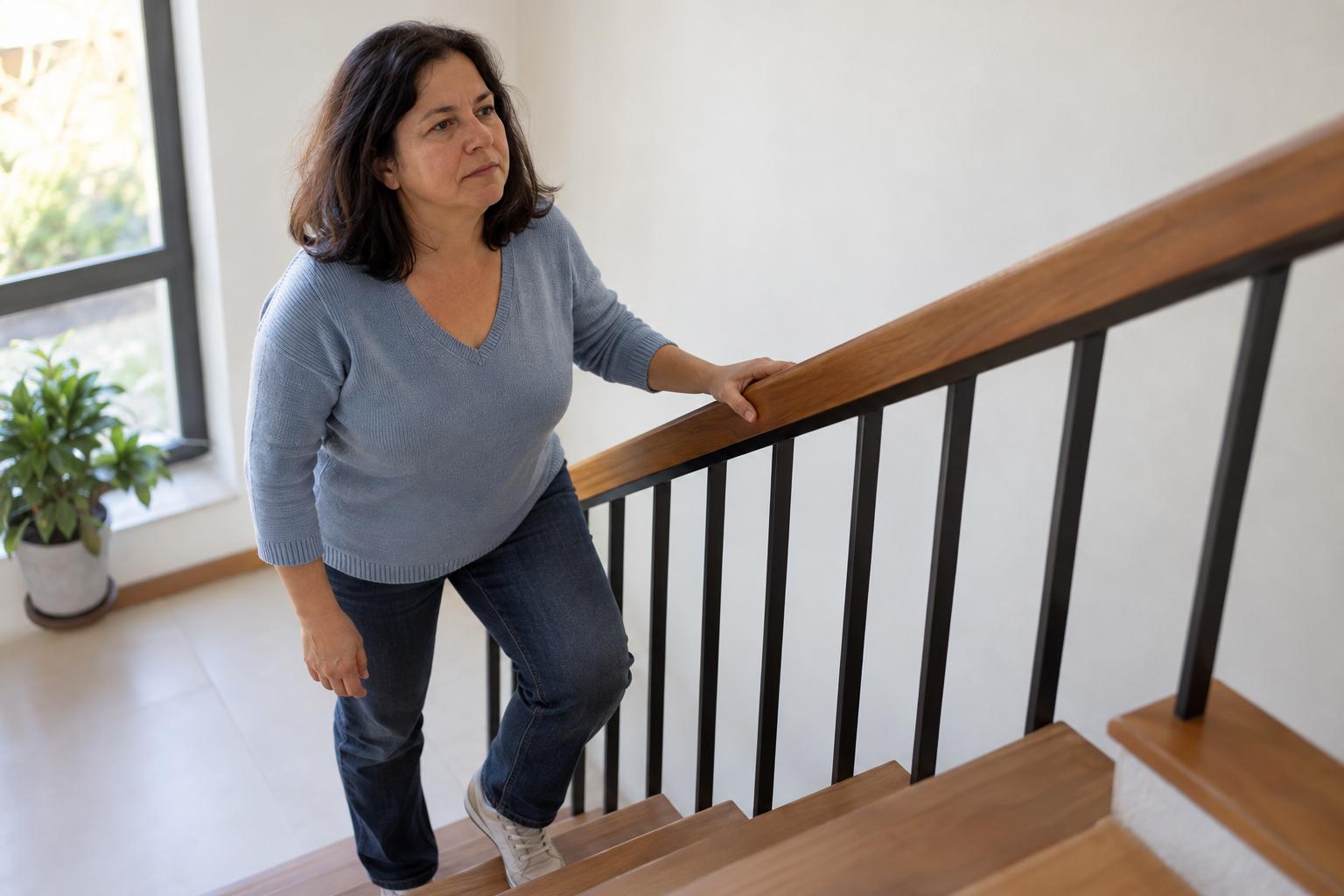
Getting Back to Moving, Step by Step, When Your Calcium Levels Are Changing

Educational content. It does not replace an individual medical assessment and should not be used for self-medication.

Do I have to get back to my previous activity level?
Not necessarily. After a break due to illness, hospitalization, symptoms, or inactivity, your capacity may have changed. You do not have to return to your previous pace right away or meet a goal at all costs. What is appropriate depends on your clinical situation, physical condition, and the recommendations you have received.
Myth: Physical activity will correct my calcium or vitamin D levels
Physical activity can be part of healthy habits, but it is not a treatment for correcting calcium, parathyroid, or vitamin D abnormalities. Follow your care team’s recommendations, and do not change your medications or supplements because you exercise or feel better.
When should I ask for guidance before returning to activity?
Check with your care team before restarting or increasing activity if your calcium levels have changed recently, you have new symptoms, you have been hospitalized, or you were previously given activity restrictions. Also ask for guidance if you do not know which activities to avoid or how to adapt an earlier recommendation. General guidance may not be appropriate for everyone.
How to plan a gradual return
If you have no restrictions and your care team has not advised otherwise, you can discuss starting with brief, comfortable sessions at a pace that you can easily pause. Pay attention to how you feel during and after the activity. Increase gradually only if you tolerate it well; there is no duration or intensity that is universally safe for everyone.
Everyday low-impact options
Depending on your condition and clinical recommendations, you might consider walking on flat ground, moving gently around your home, or doing simple mobility exercises. Choose an option you can stop easily and that does not conflict with any previous restrictions. If it causes new symptoms, stop rather than trying to meet a goal.
When to stop
You may feel mild exertion or muscle fatigue when resuming an activity. Stop if you develop significant pain, marked weakness, dizziness, or another new symptom. It is not possible to tell remotely whether a discomfort is due to exercise or a calcium abnormality; ask for guidance if you are concerned, it worsens, or it does not go away.
If symptoms are severe or persist
Stop the activity and seek care based on the severity of the symptom and the instructions you have been given. If symptoms worsen or do not go away, contact your care team. For severe symptoms or a situation that seems urgent to you, seek emergency care rather than trying to continue or adjust your treatment on your own.
A sustainable return, not a rushed one
Resuming movement may take patience and adjustments. You do not need to make up for the time you were inactive: progressing gradually and respecting your restrictions can help you plan a cautious return. If your health changes, ask what level of activity is appropriate for you.
When to seek medical care
If symptoms persist, test results are abnormal, or you have questions about medication, arrange an individual assessment. Do not change treatment or doses without medical guidance.
Frequently asked questions
Can I resume on my own if I already feel well?
Feeling well does not, by itself, confirm that you have no restrictions. If your calcium levels have changed recently, you have new symptoms, you have been hospitalized, or you were given previous instructions, check with your care team before restarting.
Is it normal to feel tired when I start walking again?
Mild fatigue can occur when resuming activity, but everyone is different. Stop if the fatigue is marked or accompanied by weakness, dizziness, significant pain, or another new symptom; ask for guidance based on its severity.
Which activity is safest for me?
There is no activity or intensity that is right for everyone. The choice depends on your clinical situation, your current capacity, and any restrictions recommended by your care team.
Does this topic resonate with you?
Every case is different. Book a consultation to review your history, test results and goals with a personalized plan.
More articles about Parathyroid, calcium and vitamin D

5 min de lectura
Publicado: 12 de noviembre de 2026 · Actualizado: 12 de noviembre de 2026
Vitamin D and Calcium: Medical History to Share with Your Endocrinologist
Learn how kidney or digestive diseases, certain surgeries, and treatments can provide context when reviewing vitamin D, calcium, and PTH, without attributing changes to a single cause.

5 min de lectura
Publicado: 9 de noviembre de 2026 · Actualizado: 9 de noviembre de 2026
Changes in Mobility and Energy in Older Adults: When to Discuss Calcium and the Parathyroid Glands
Taking longer to stand up, walk, or complete tasks can have many causes. Learn which changes to describe and when to discuss them during a clinical evaluation, without automatically attributing them to calcium or the parathyroid glands.

6 min de lectura
Publicado: 8 de noviembre de 2026 · Actualizado: 8 de noviembre de 2026
Calcium and Vitamin D Outside Your Routine: Planning for Travel, Fasting, and Different Schedules
What to discuss with your care team about calcium, vitamin D, fasting, and timing before traveling or changing your routine—without changing your treatment on your own.

5 min de lectura
Publicado: 5 de noviembre de 2026 · Actualizado: 5 de noviembre de 2026
A Simple Plan for Keeping Up With Your Parathyroid Care During Busy Weeks
Practical strategies to help you remember your parathyroid, calcium, and vitamin D instructions during busy weeks, without changing your treatment on your own.

5 min de lectura
Publicado: 3 de noviembre de 2026 · Actualizado: 3 de noviembre de 2026
Medications for Hyperparathyroidism: When to Control Calcium and When to Protect Bone Health
Cinacalcet, bisphosphonates, and denosumab may serve different purposes. Learn which aspects of blood calcium and bone health they may address and why the choice and monitoring depend on each individual case.
5 min de lectura
Publicado: 3 de noviembre de 2026 · Actualizado: 3 de noviembre de 2026
Low Vitamin D and the Parathyroid Glands: Preventing Ongoing Changes from Affecting Bones and Muscles
Insufficient vitamin D may raise PTH as a compensatory response and affect bone metabolism. Learn how these results are interpreted and why correction should be individualized.