Educational article
Difficult-to-Control High Blood Pressure: When to Test Aldosterone and Renin

Educational content. It does not replace an individual medical assessment and should not be used for self-medication.
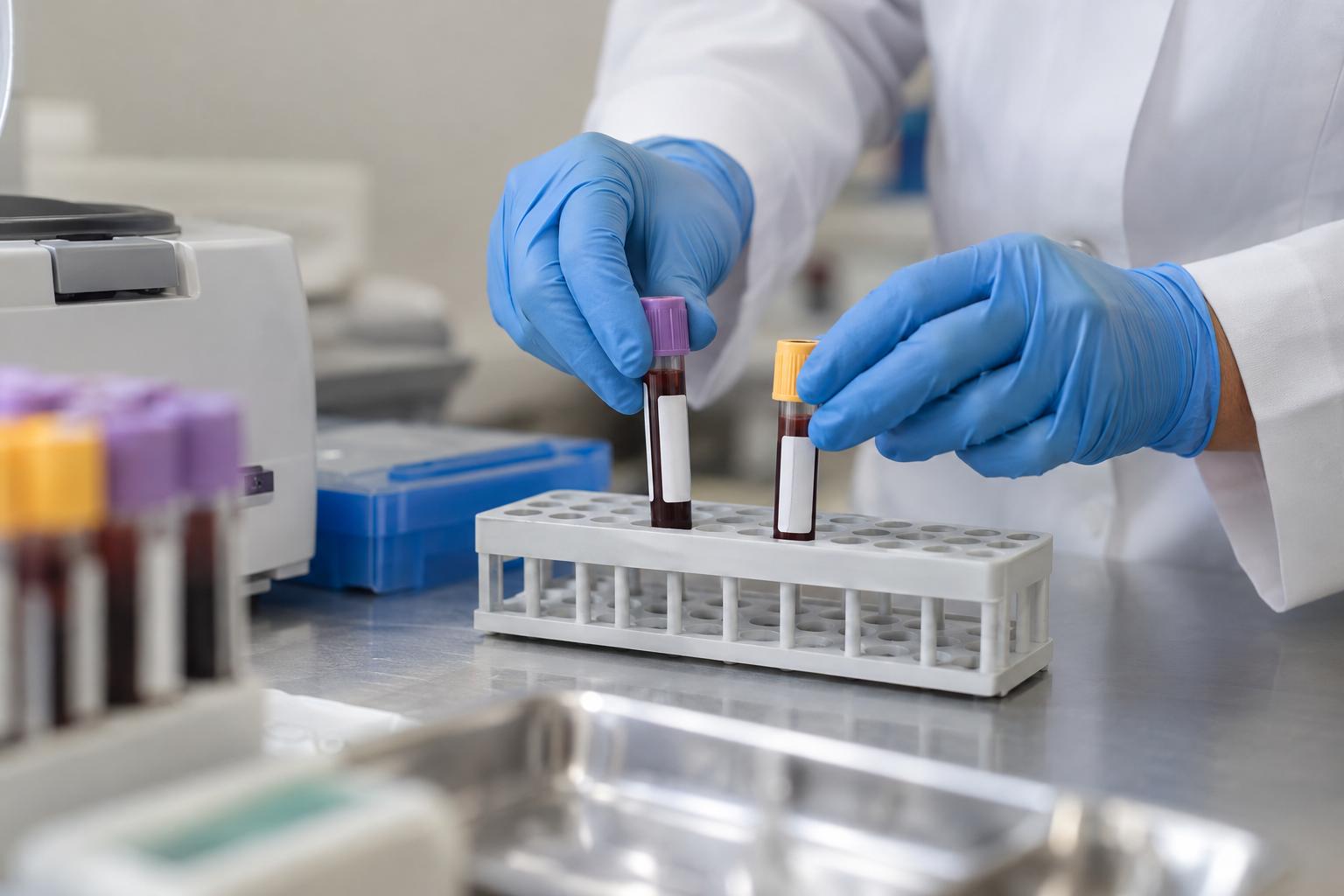
Why are difficult-to-control blood pressure and these hormones related?
If your blood pressure remains above the agreed-upon targets despite the recommended management, your medical team may consider whether an underlying cause is contributing to it. One possibility is primary aldosteronism, in which the adrenal glands produce too much aldosterone or produce it inappropriately. Aldosterone plays a role in sodium and potassium balance and can affect blood pressure. To guide the evaluation, aldosterone and renin levels are considered together.
Myth: “Testing is only considered if potassium is low”
Low potassium can be a clue, but it is not the only reason to consider screening. A health professional may also suggest it in cases of difficult-to-control hypertension, certain findings in the adrenal glands, or other history that makes it appropriate to investigate a hormonal cause. A potassium level within the expected range does not, by itself, rule out evaluation.
What do aldosterone and renin indicate?
Aldosterone helps regulate sodium and potassium. Renin is part of a hormonal system related to blood pressure and fluid balance. Screening involves interpreting both values and, depending on the laboratory method, the ratio between them. A result that suggests a possible concern can guide the evaluation, but does not by itself confirm a diagnosis or determine treatment.
Myth: “One result identifies a tumor”
The initial measurement is a screening test, not a test that can identify a tumor on its own. Interpretation depends on the clinical context, the laboratory method, and the conditions under which the sample was collected. If the result is suggestive, your medical team may consider confirmatory tests and, if appropriate, further studies to investigate the cause. The initial result does not prove that a tumor is present or determine by itself whether surgery is needed.
What can affect the result, and how should I prepare?
Some blood pressure medications, potassium levels, salt intake, posture, and the timing of the sample collection can affect results. The health professional who orders the test will explain how to prepare based on your individual situation and what information to provide about medications and supplements. Do not stop or change blood pressure medications on your own: any adjustment should be agreed upon with your medical team, which will weigh the risks and benefits. Your team may also advise whether your potassium needs to be checked and how to arrange the sample collection.
What might happen if the screening result is suggestive?
The next steps depend on the results and your clinical situation. In some cases, additional tests may be recommended to confirm whether aldosterone production is inappropriate; further studies may then be requested to investigate its source. Your medical team can explain what information each test provides and how it might affect subsequent decisions.
When should I discuss this evaluation?
You can talk with your health professional if your blood pressure continues to be outside the agreed-upon targets, if you have been found to have low potassium, or if a previous adrenal study raised further questions. Bring recent results and a list of your medications, if you have them. The decision to measure aldosterone and renin takes your medical history and measurements into account together, rather than relying on a single finding. This content is educational and does not replace guidance from your health care team.
When to seek medical care
If symptoms persist, test results are abnormal, or you have questions about medication, arrange an individual assessment. Do not change treatment or doses without medical guidance.
Frequently asked questions
Does having normal potassium mean I don’t need the test?
Not necessarily. Low potassium is one possible clue, but a health professional may consider screening for other reasons, such as difficult-to-control hypertension or certain adrenal findings.
Should I stop my blood pressure medications before the test?
Do not stop or adjust them on your own. Some medications can affect interpretation; consult the health professional familiar with your situation for individualized instructions.
If the aldosterone-to-renin ratio is suggestive, does that confirm the diagnosis?
No. The result guides screening and may lead to confirmatory tests and further studies. Interpretation and next steps depend on the clinical context.
Does this topic resonate with you?
Every case is different. Book a consultation to review your history, test results and goals with a personalized plan.
More articles about Adrenal glands
6 min de lectura
Publicado: 1 de noviembre de 2026 · Actualizado: 1 de noviembre de 2026
After Long-Term Corticosteroid Use: When to Consider Adrenal Suppression
Prolonged or repeated glucocorticoid use can temporarily reduce the body’s own cortisol production. Learn what history to gather and why you should not change treatment without professional guidance.

5 min de lectura
Publicado: 31 de octubre de 2026 · Actualizado: 31 de octubre de 2026
It Takes You Longer to Recover After Everyday Activities: When to Consider the Adrenal Glands
If everyday activities such as climbing stairs leave you feeling tired for a long time, learn what information can help make sense of the change and why it is not enough to attribute it to the adrenal glands.

6 min de lectura
Publicado: 31 de octubre de 2026 · Actualizado: 31 de octubre de 2026
Living With Adrenal Replacement Therapy: Habits That Support a Safe Routine
How to organize hormone replacement for adrenal insufficiency around changes in schedules, exercise, and travel, without replacing the individual plan recommended by your healthcare team.

6 min de lectura
Publicado: 15 de octubre de 2026 · Actualizado: 15 de octubre de 2026
Fatigue in Older Adults: When to Consider the Adrenal Glands—and When Not To
Fatigue and dizziness in older adults can have many causes. Age does not mean the adrenal glands are failing: learn when a healthcare professional may consider evaluating cortisol.

5 min de lectura
Publicado: 24 de septiembre de 2026 · Actualizado: 24 de septiembre de 2026
Daily Eating and Adrenal Health: How to Choose Without Seeking a Perfect Diet
Learn what to consider in your daily eating if you have an adrenal condition, and why guidance about salt, fluids, or restrictions should be tailored to your situation.

6 min de lectura
Publicado: 19 de septiembre de 2026 · Actualizado: 19 de septiembre de 2026
Urine or Salivary Cortisol: Collection Errors That May Require Repeating the Test
A guide to collecting 24-hour urine or saliva for cortisol testing and what to do if a sample is spilled, a collection is missed, or you have questions about timing or storage. The laboratory will confirm whether the sample can be processed or needs to be recollected.