Educational article
Changes in Appetite and Body Temperature: Why Not to Assume They’re Adrenal-Related

Educational content. It does not replace an individual medical assessment and should not be used for self-medication.

These sensations are nonspecific
Noticing more hunger or less appetite, feeling cold in a comfortable environment, or feeling hotter than usual may catch your attention. However, these sensations can occur for many reasons and, by themselves, do not mean that the adrenal glands are affected. Cravings do not identify an adrenal disease either.
Consider what has happened recently
Insufficient sleep, changes in eating habits, an infection, stress, and some medications can affect appetite, energy, or the perception of temperature. Other health conditions may also play a role. If you have questions about a medication, consult the person who prescribed it; do not stop or change it on your own.
Observe how the change develops
A brief change may coincide with a recent illness, a night of poor sleep, or a change in routine. Discuss it with a healthcare professional if it persists, recurs, progresses, or affects your usual activities. How long it lasts, how it develops, and which symptoms occur alongside it provide more context than an isolated sensation.
Evaluation considers the full picture
To assess a possible adrenal disorder, a healthcare professional considers symptoms together with your medical history, medications, and clinical examination. They will also ask when the symptoms began and how they have changed. Appetite or feeling hot or cold, by themselves, do not determine the cause or justify ordering hormone tests on your own.
Make a note of useful information
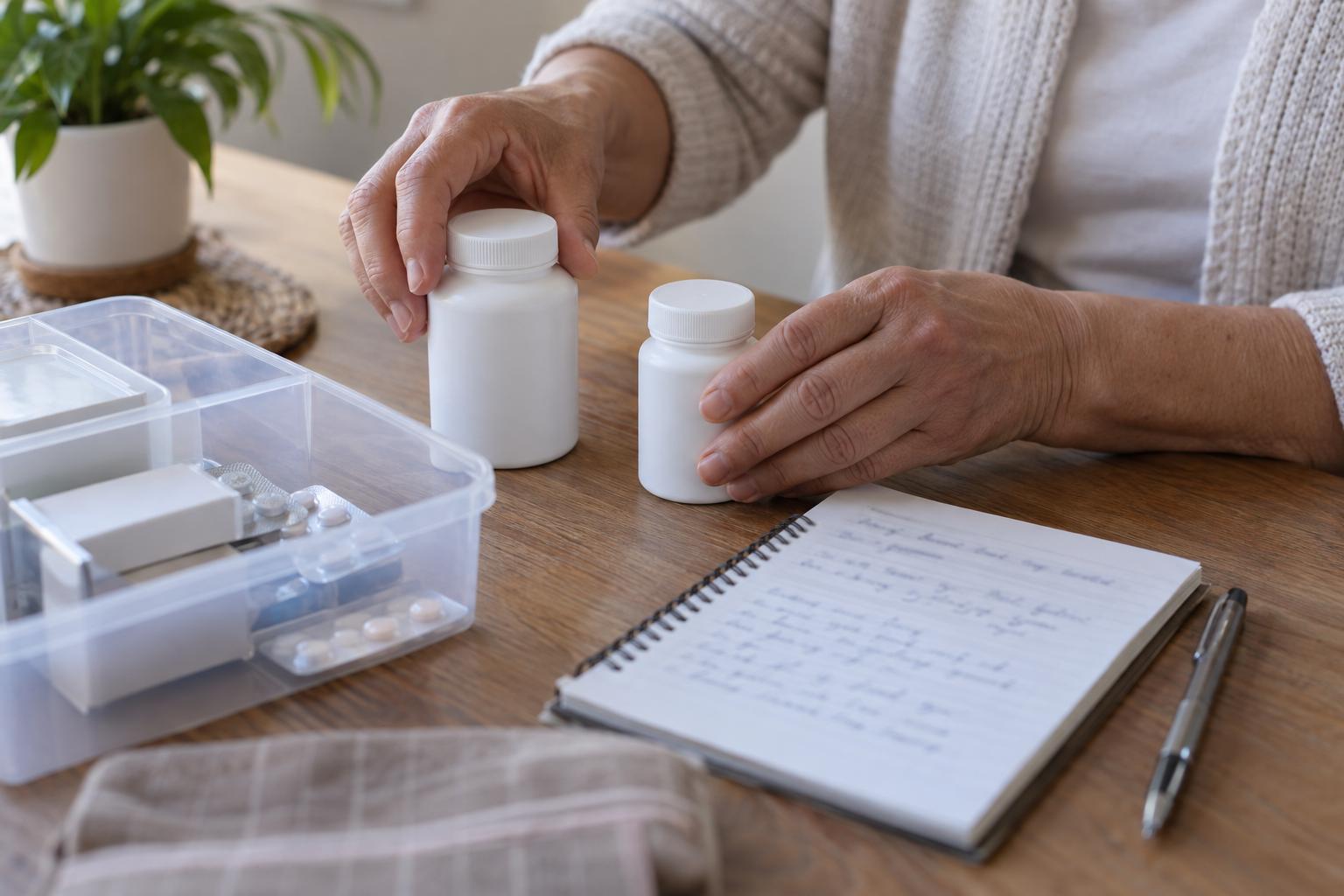
If the changes continue, you can note when they began, whether they are constant or intermittent, and what was happening around that time. Also note any associated symptoms and changes in energy. Record your weight only if it is relevant to your situation or has been recommended to you. You do not need to monitor yourself several times a day; a simple description of how things change is enough.
Prepare for the medical conversation
Explain what changed, when it started, and how it affects your routine. Mention recent illnesses, changes in sleep or eating habits, and the medications you use. With this information and the examination, a healthcare professional can decide whether tests are needed and which ones are appropriate. Not everyone needs endocrine tests.
Recognize signs that require urgent attention
Seek urgent care for fainting, confusion, persistent vomiting, or a severe and sudden worsening. Do not wait to complete a record or try to manage these symptoms by changing your diet or medications on your own.
Follow up without assuming a cause in advance
If the change persists, worsens, or occurs with other symptoms, seek medical guidance. An endocrinology evaluation may be considered when your medical history, symptoms, and examination suggest that a hormonal cause should be investigated. An isolated sensation is not enough to attribute it to the adrenal glands.
When to seek medical care
If symptoms persist, test results are abnormal, or you have questions about medication, arrange an individual assessment. Do not change treatment or doses without medical guidance.
Frequently asked questions
Does feeling hungrier or having cravings mean I have an adrenal problem?
No. Appetite and cravings can vary for different reasons and do not, by themselves, identify an adrenal disease. How they change over time and any associated symptoms matter.
When should I schedule a consultation?
Discuss the change with a healthcare professional if it persists, progresses, recurs, or affects your activities. Whether an endocrinology evaluation is needed depends on the full set of symptoms, your medical history, and the clinical examination.
Should I request a hormone test to be sure?
It is not recommended to request general hormone tests on your own. After reviewing your history and conducting an evaluation, a healthcare professional will determine whether any tests are needed and which ones are appropriate.
Does this topic resonate with you?
Every case is different. Book a consultation to review your history, test results and goals with a personalized plan.
More articles about Adrenal glands
6 min de lectura
Publicado: 1 de noviembre de 2026 · Actualizado: 1 de noviembre de 2026
After Long-Term Corticosteroid Use: When to Consider Adrenal Suppression
Prolonged or repeated glucocorticoid use can temporarily reduce the body’s own cortisol production. Learn what history to gather and why you should not change treatment without professional guidance.

5 min de lectura
Publicado: 31 de octubre de 2026 · Actualizado: 31 de octubre de 2026
It Takes You Longer to Recover After Everyday Activities: When to Consider the Adrenal Glands
If everyday activities such as climbing stairs leave you feeling tired for a long time, learn what information can help make sense of the change and why it is not enough to attribute it to the adrenal glands.

6 min de lectura
Publicado: 31 de octubre de 2026 · Actualizado: 31 de octubre de 2026
Living With Adrenal Replacement Therapy: Habits That Support a Safe Routine
How to organize hormone replacement for adrenal insufficiency around changes in schedules, exercise, and travel, without replacing the individual plan recommended by your healthcare team.

6 min de lectura
Publicado: 15 de octubre de 2026 · Actualizado: 15 de octubre de 2026
Fatigue in Older Adults: When to Consider the Adrenal Glands—and When Not To
Fatigue and dizziness in older adults can have many causes. Age does not mean the adrenal glands are failing: learn when a healthcare professional may consider evaluating cortisol.

5 min de lectura
Publicado: 24 de septiembre de 2026 · Actualizado: 24 de septiembre de 2026
Daily Eating and Adrenal Health: How to Choose Without Seeking a Perfect Diet
Learn what to consider in your daily eating if you have an adrenal condition, and why guidance about salt, fluids, or restrictions should be tailored to your situation.

6 min de lectura
Publicado: 19 de septiembre de 2026 · Actualizado: 19 de septiembre de 2026
Urine or Salivary Cortisol: Collection Errors That May Require Repeating the Test
A guide to collecting 24-hour urine or saliva for cortisol testing and what to do if a sample is spilled, a collection is missed, or you have questions about timing or storage. The laboratory will confirm whether the sample can be processed or needs to be recollected.