Educational article
Thyroid Complications: When to Seek Urgent Medical Care

Dr. Teresita Cortés Segura, medical reviewer
Author and medical review: Dra. Teresita del Niño Jesús Cortés Segura, endocrinologist.
Location: Bogotá, Colombia.
Published: August 25, 2026 · Updated: August 25, 2026 · 5 min read.
Educational content. It does not replace an individual medical assessment and should not be used for self-medication.
What Are Thyroid Complications?
Thyroid complications are health problems that can arise from disorders such as hypothyroidism or hyperthyroidism. These complications can affect metabolism, cardiovascular health, and the patient's overall well-being.
Warning Signs
It is crucial to be alert to certain symptoms that may indicate complications. Some of these include: - Extreme fatigue or unexplained weakness. - Changes in heart rhythm, such as palpitations. - Significant weight gain or loss without an apparent cause. - Changes in body temperature, such as intolerance to cold or heat.

Steps for Diagnosis
If you experience any of these symptoms, it is important to consult a doctor. Diagnosis may include: - Blood tests to evaluate thyroid hormone levels. - Physical examinations to identify signs of complications. - Imaging studies, such as ultrasounds, if necessary.
Common Mistakes in Managing Thyroid Complications
Some patients make mistakes by ignoring symptoms or self-medicating. It is crucial not to adjust medication doses without consulting a professional. It is also common to underestimate the importance of regular check-ups.
When to Seek Immediate Help
It is vital to seek immediate medical attention if you experience: - Difficulty breathing or a sensation of chest tightness. - Severe changes in mental status, such as confusion or disorientation. - Symptoms of a thyroid crisis, which may include high fever, excessive sweating, and agitation.
Importance of Medical Follow-up
Regular follow-up with an endocrinologist is essential to properly manage thyroid disorders and prevent complications. This includes periodic reviews and treatment adjustments as necessary.
When to seek medical care
If symptoms persist, test results are abnormal, or you have questions about medication, arrange an individual assessment. Do not change treatment or doses without medical guidance.
Frequently asked questions
What symptoms indicate a thyroid complication?
Symptoms such as extreme fatigue, palpitations, changes in weight, and alterations in body temperature may indicate complications.
Is it safe to self-medicate if I have thyroid problems?
Self-medication is not recommended. Always consult a doctor before making any adjustments to your treatment.
How often should I have check-ups if I have thyroid problems?
It is advisable to have regular check-ups at least every six months, or as directed by your endocrinologist.
More articles about Tiroides

5 min de lectura
Publicado: 27 de septiembre de 2026 · Actualizado: 27 de septiembre de 2026
Factors to Consider When Thyroid Treatment Does Not Work as Expected
Analyzes factors that can influence the effectiveness of treatments for hypothyroidism and hyperthyroidism and how to address them effectively.

5 min de lectura
Publicado: 23 de septiembre de 2026 · Actualizado: 23 de septiembre de 2026
How to Manage Your Thyroid Health During Travel and Time Zone Changes in Bogotá
Learn how to care for your thyroid health during travel and time zone changes with practical advice and healthy habits.

8 min de lectura
Publicado: 21 de septiembre de 2026 · Actualizado: 21 de septiembre de 2026
Key Indicators That May Signal Complications in Thyroid Diseases
Discover the warning signs that may indicate cardiovascular and metabolic complications in thyroid diseases and when to seek medical attention.
6 min de lectura
Publicado: 12 de septiembre de 2026 · Actualizado: 12 de septiembre de 2026
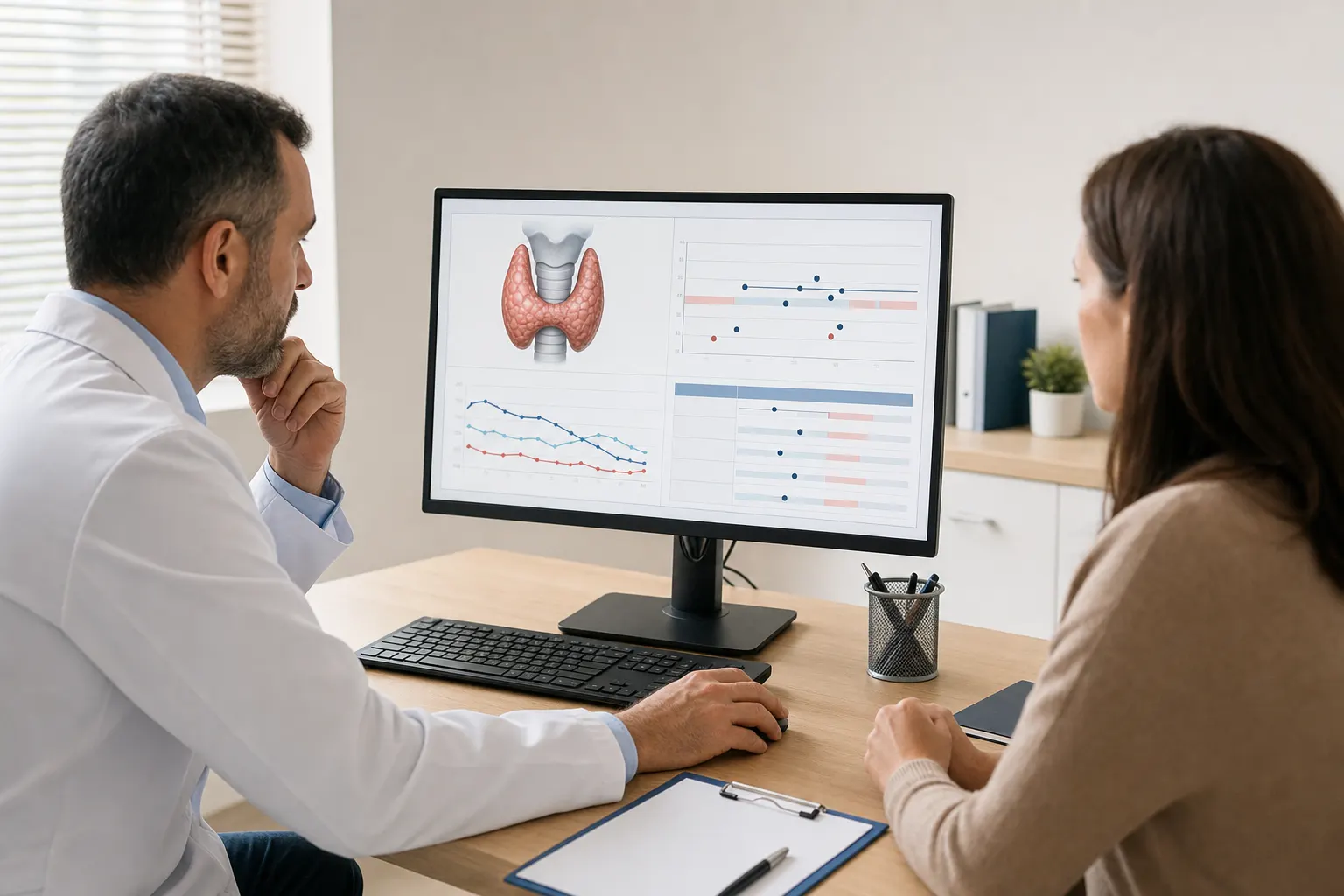
Thyroid: How to Interpret Altered Results in Thyroid Function Tests
Learn how to interpret altered thyroid test results and their impact on health in Bogotá. Understand symptoms, diagnoses, and next steps.

5 min de lectura
Publicado: 6 de septiembre de 2026 · Actualizado: 6 de septiembre de 2026
Signs Indicating the Need to Consult About Thyroid Problems
Discover the signs and symptoms that may indicate thyroid problems and when it is necessary to consult a specialist.

8 min de lectura
Publicado: 24 de septiembre de 2026 · Actualizado: 24 de septiembre de 2026
Personalized Treatment of Hypothyroidism: Keys to Informed Decision-Making
Discover the factors that influence the personalization of hypothyroidism treatment and how to make informed decisions in Bogotá.