Educational article
Key Aspects in Thyroid Health Monitoring: What You Should Know

Dr. Teresita Cortés Segura, medical reviewer
Author and medical review: Dra. Teresita del Niño Jesús Cortés Segura, endocrinologist.
Location: Bogotá, Colombia.
Published: August 8, 2026 · Updated: August 8, 2026 · 6 min read.
Educational content. It does not replace an individual medical assessment and should not be used for self-medication.
Myth 1: Only people with symptoms should have thyroid check-ups
It is a common mistake to think that only those who show symptoms should monitor their thyroid health. Many thyroid conditions may not show obvious symptoms in their early stages. Therefore, it is recommended that everyone, especially those with a family history of thyroid problems, undergo periodic check-ups.
Myth 2: Thyroid tests are only for adults
Thyroid problems can affect people of any age, including children and adolescents. Therefore, it is important for parents to be attentive to any changes in their children's behavior or growth and consult a doctor if necessary.

What tests are necessary for follow-up?
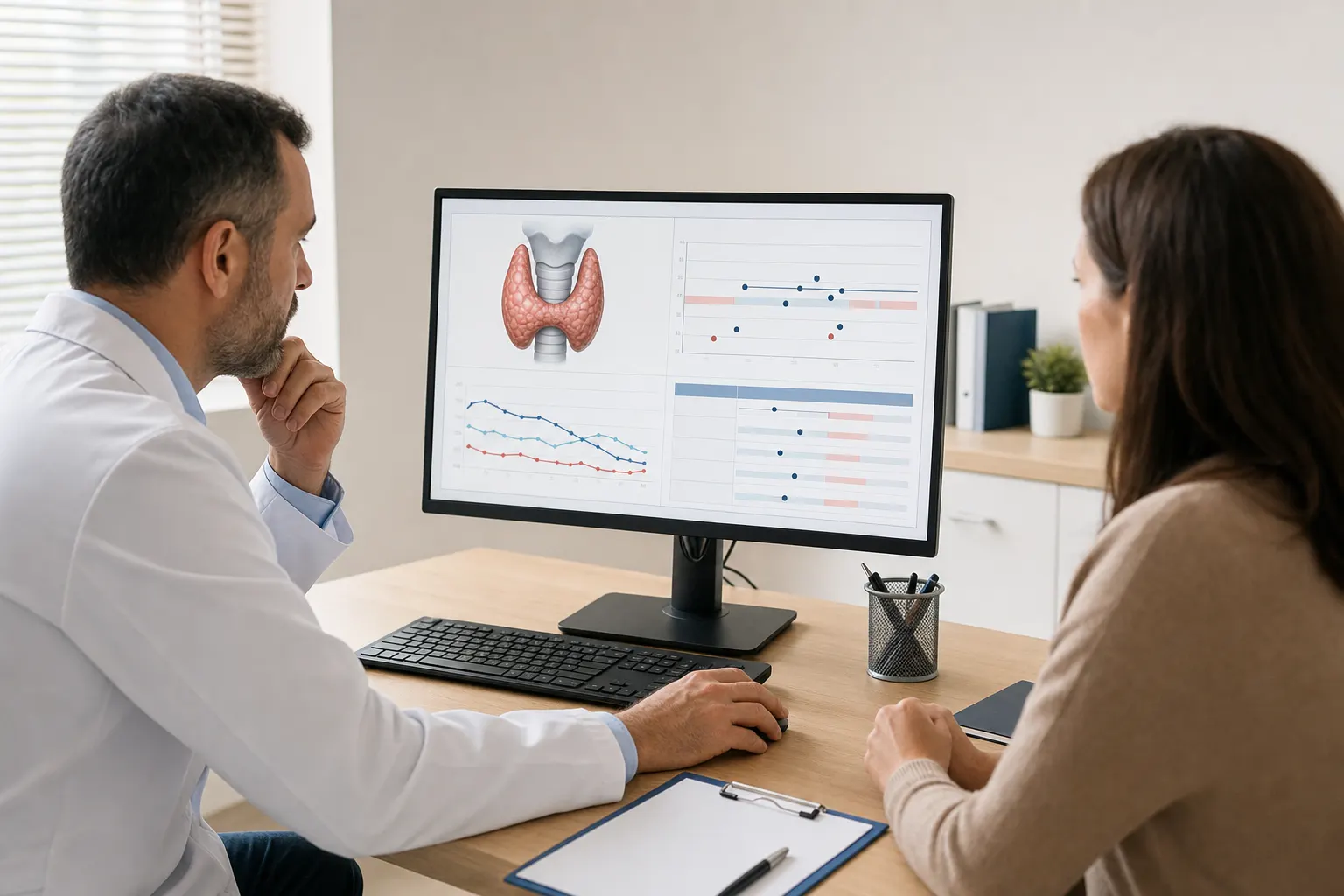
The main tests for monitoring thyroid health include blood tests to measure levels of TSH (thyroid-stimulating hormone), T3, and T4. These tests help determine if the thyroid gland is functioning properly.
Warning signs: When to see a doctor?
It is essential to be alert to certain symptoms that may indicate thyroid problems, such as changes in weight, extreme fatigue, mood changes, or concentration difficulties. If you experience any of these symptoms, it is advisable to seek medical attention.
Importance of regular follow-up
Regular follow-up allows for early detection of problems and adjustment of treatments if necessary. Consult your endocrinologist about the frequency of tests depending on your specific condition.
Practical tips for self-care
Maintaining a healthy lifestyle is crucial. This includes a balanced diet, regular exercise, and stress management. Keeping a record of your health habits can be helpful for your medical consultations.
Myth 3: Once treated, there is no need to continue monitoring the thyroid
Even after successful treatment, it is important to continue monitoring. Thyroid conditions can change over time, and follow-up helps ensure your health remains stable.
When to seek medical care
If symptoms persist, test results are abnormal, or you have questions about medication, arrange an individual assessment. Do not change treatment or doses without medical guidance.
Frequently asked questions
How often should I have thyroid check-ups?
The frequency of check-ups depends on your particular situation. Generally, at least once a year is recommended, but consult your doctor for a personalized plan.
What symptoms indicate I should seek help?
Symptoms such as unexplained weight changes, extreme fatigue, changes in skin or hair, and concentration problems are signs that warrant a medical consultation.
Are thyroid problems hereditary?
Yes, there is a genetic component in many thyroid problems. If you have a family history, it is advisable to have periodic check-ups.
More articles about Tiroides

5 min de lectura
Publicado: 27 de septiembre de 2026 · Actualizado: 27 de septiembre de 2026
Factors to Consider When Thyroid Treatment Does Not Work as Expected
Analyzes factors that can influence the effectiveness of treatments for hypothyroidism and hyperthyroidism and how to address them effectively.

5 min de lectura
Publicado: 23 de septiembre de 2026 · Actualizado: 23 de septiembre de 2026
How to Manage Your Thyroid Health During Travel and Time Zone Changes in Bogotá
Learn how to care for your thyroid health during travel and time zone changes with practical advice and healthy habits.

8 min de lectura
Publicado: 21 de septiembre de 2026 · Actualizado: 21 de septiembre de 2026
Key Indicators That May Signal Complications in Thyroid Diseases
Discover the warning signs that may indicate cardiovascular and metabolic complications in thyroid diseases and when to seek medical attention.
6 min de lectura
Publicado: 12 de septiembre de 2026 · Actualizado: 12 de septiembre de 2026
Thyroid: How to Interpret Altered Results in Thyroid Function Tests
Learn how to interpret altered thyroid test results and their impact on health in Bogotá. Understand symptoms, diagnoses, and next steps.

5 min de lectura
Publicado: 6 de septiembre de 2026 · Actualizado: 6 de septiembre de 2026
Signs Indicating the Need to Consult About Thyroid Problems
Discover the signs and symptoms that may indicate thyroid problems and when it is necessary to consult a specialist.

8 min de lectura
Publicado: 24 de septiembre de 2026 · Actualizado: 24 de septiembre de 2026
Personalized Treatment of Hypothyroidism: Keys to Informed Decision-Making
Discover the factors that influence the personalization of hypothyroidism treatment and how to make informed decisions in Bogotá.