Educational article
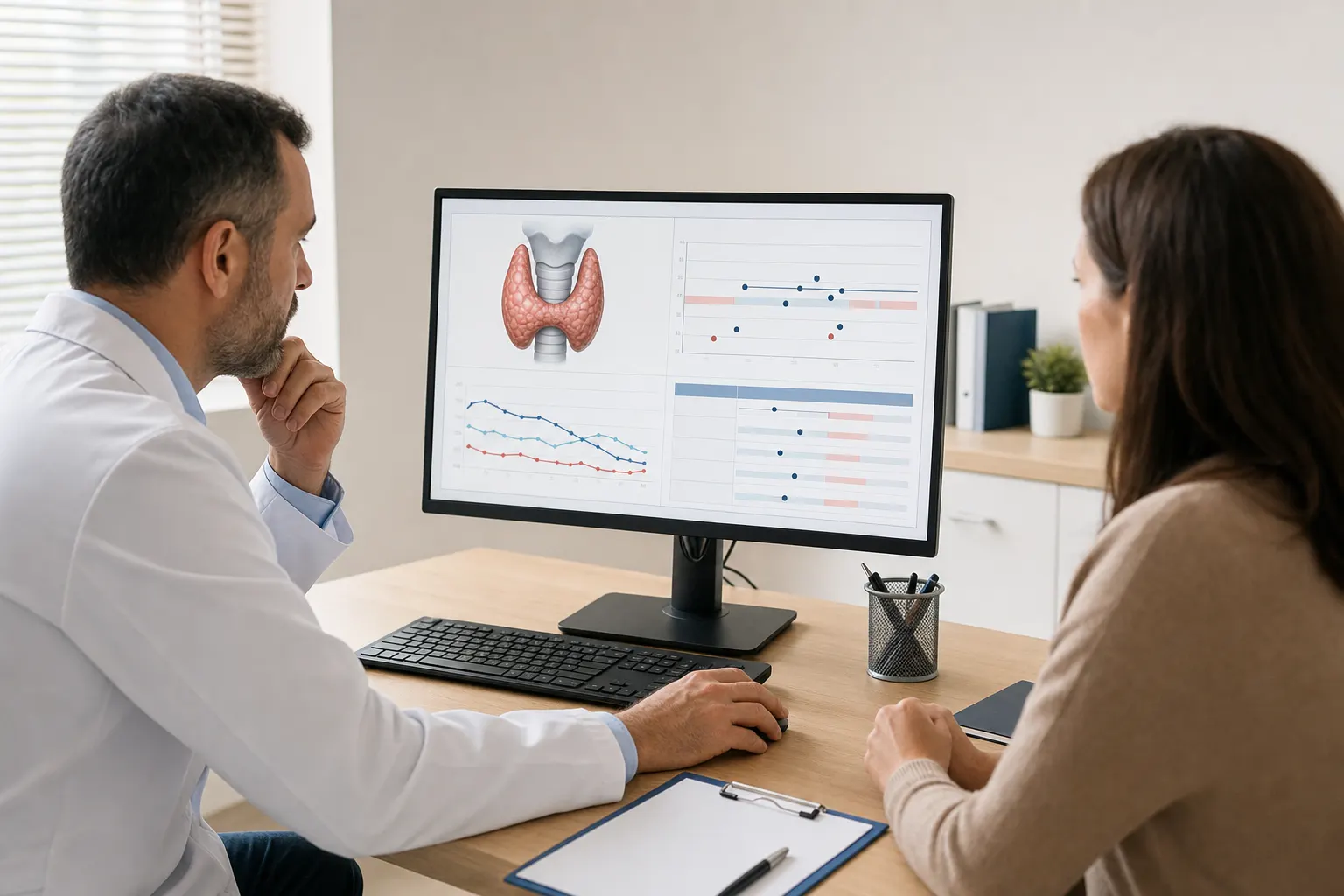
Thyroid: Interpretation of Altered Results and Next Steps

Dr. Teresita Cortés Segura, medical reviewer
Author and medical review: Dra. Teresita del Niño Jesús Cortés Segura, endocrinologist.
Location: Bogotá, Colombia.
Published: May 15, 2026 · Updated: May 15, 2026 · 5 min read.
Educational content. It does not replace an individual medical assessment and should not be used for self-medication.

What is the thyroid and its function in the body?
The thyroid is a butterfly-shaped gland located at the front of the neck, responsible for producing hormones that regulate metabolism, energy, and growth. Its proper functioning is essential to maintain balance in various bodily functions.
Symptoms of thyroid dysfunction
Thyroid problems can manifest through symptoms such as weight changes (either gain or loss), persistent fatigue, mood alterations, unusual sensitivity to cold or heat, and irregularities in the menstrual cycle. Being alert to these signs can facilitate early diagnosis.
Interpretation of altered results
An altered thyroid test result may indicate conditions such as hypothyroidism (low hormone levels) or hyperthyroidism (high hormone levels). It is crucial that these results are interpreted together with other clinical factors and additional tests.
Next steps after receiving an altered result
1. **Consult a specialist**: An endocrinologist should evaluate the results. 2. **Complementary tests**: Additional examinations may be required to confirm the diagnosis. 3. **Regular follow-up**: Depending on the diagnosis, ongoing monitoring may be necessary.
Common errors in evaluating results
A common mistake is assuming that an altered result automatically indicates a serious disease. Self-medication or dose changes without medical supervision can be risky. It is always advisable to follow the guidance of a healthcare professional.
When to seek medical attention
You should see a doctor if persistent symptoms occur or if altered thyroid test results are received. Proper follow-up is essential for managing any thyroid condition.
When to seek medical care
If symptoms persist, test results are abnormal, or you have questions about medication, arrange an individual assessment. Do not change treatment or doses without medical guidance.
Frequently asked questions
What tests are common for diagnosing thyroid problems?
The most frequent tests include measuring TSH (thyroid-stimulating hormone) and the thyroid hormones T3 and T4.
Do altered results always indicate a serious problem?
Not necessarily. Results can be affected by various factors and should be discussed with a doctor for an accurate evaluation.
Is it possible to have normal results and still have thyroid problems?
Yes, some conditions may not be evident in standard tests. It is crucial to discuss any symptoms with a doctor.
More articles about Tiroides

5 min de lectura
Publicado: 27 de septiembre de 2026 · Actualizado: 27 de septiembre de 2026
Factors to Consider When Thyroid Treatment Does Not Work as Expected
Analyzes factors that can influence the effectiveness of treatments for hypothyroidism and hyperthyroidism and how to address them effectively.

5 min de lectura
Publicado: 23 de septiembre de 2026 · Actualizado: 23 de septiembre de 2026
How to Manage Your Thyroid Health During Travel and Time Zone Changes in Bogotá
Learn how to care for your thyroid health during travel and time zone changes with practical advice and healthy habits.

8 min de lectura
Publicado: 21 de septiembre de 2026 · Actualizado: 21 de septiembre de 2026
Key Indicators That May Signal Complications in Thyroid Diseases
Discover the warning signs that may indicate cardiovascular and metabolic complications in thyroid diseases and when to seek medical attention.
6 min de lectura
Publicado: 12 de septiembre de 2026 · Actualizado: 12 de septiembre de 2026
Thyroid: How to Interpret Altered Results in Thyroid Function Tests
Learn how to interpret altered thyroid test results and their impact on health in Bogotá. Understand symptoms, diagnoses, and next steps.

5 min de lectura
Publicado: 6 de septiembre de 2026 · Actualizado: 6 de septiembre de 2026
Signs Indicating the Need to Consult About Thyroid Problems
Discover the signs and symptoms that may indicate thyroid problems and when it is necessary to consult a specialist.

8 min de lectura
Publicado: 24 de septiembre de 2026 · Actualizado: 24 de septiembre de 2026
Personalized Treatment of Hypothyroidism: Keys to Informed Decision-Making
Discover the factors that influence the personalization of hypothyroidism treatment and how to make informed decisions in Bogotá.