Educational article
Planning a Pregnancy and Living With a Thyroid Condition: How to Prepare for Your Appointment

Educational content. It does not replace an individual medical assessment and should not be used for self-medication.

Prepare to Discuss Thyroid Health and Pregnancy
If you are planning a pregnancy and have hypothyroidism, hyperthyroidism, or another thyroid condition in your medical history, organizing your information may help with your evaluation. This may also be helpful if you have just confirmed a pregnancy. Your medical team will review your situation and agree with you on follow-up steps; this guide does not replace an individual evaluation.
Gather Your Thyroid History
Write down the diagnosis you have been given, when it was identified, and what treatments you have received. Include any history of thyroid surgery, radioactive iodine treatment, or other procedures, if applicable. If you do not remember a detail, bring any available records or mention it to your medical team.
Make a List of Medications and Changes
List your current treatments, prescribed doses, and any recent changes, including the approximate date and who recommended them. Mention if you started or stopped any medication. Do not change your treatment on your own; consult your treating team.
Bring Test Results With Their Dates
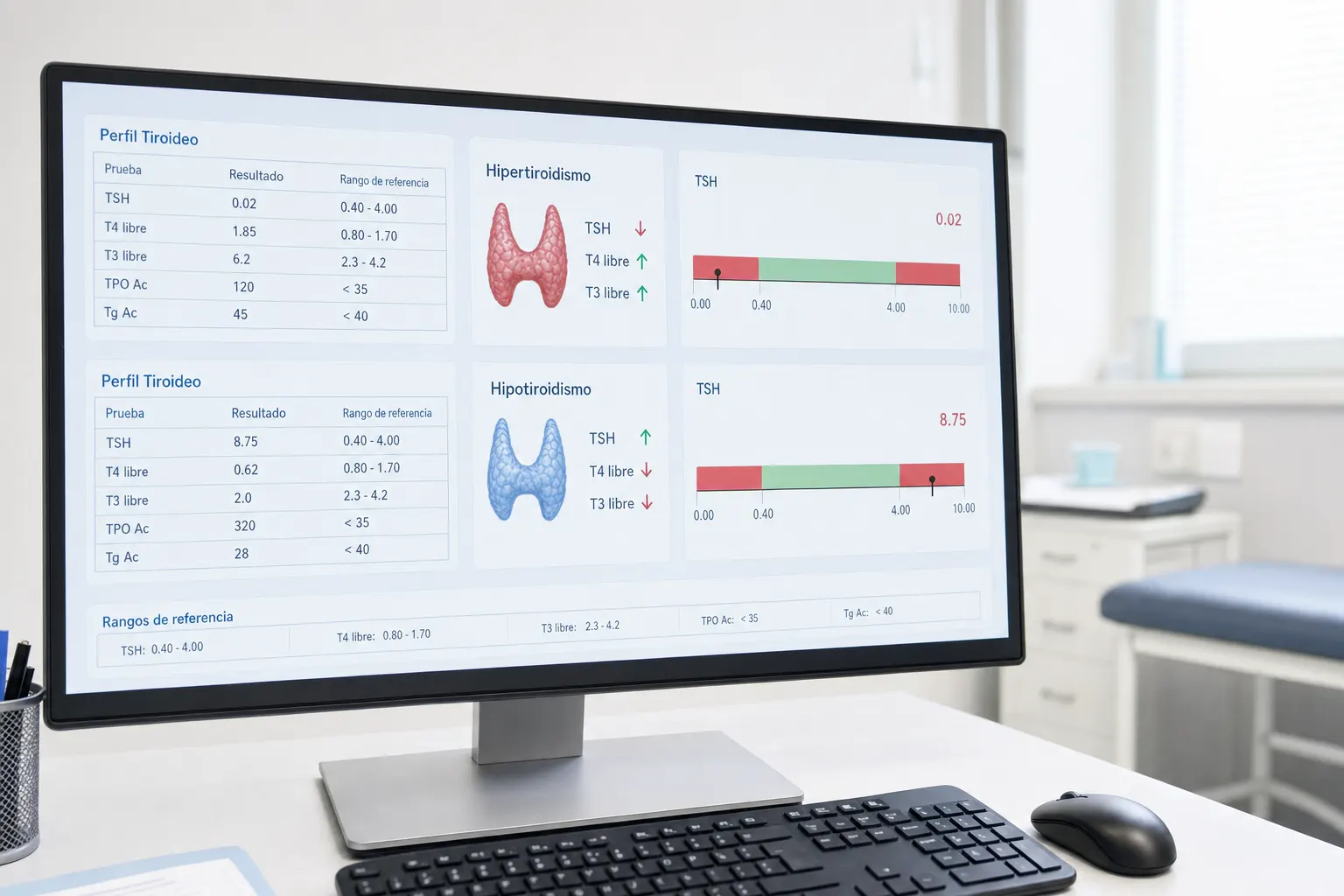
If you have them, bring recent TSH and free T4 results with the date of each test. Laboratory reports, ultrasound reports, or other documents related to your thyroid history may also be helpful. Do not interpret an isolated result: its meaning depends on the clinical context.
Clarify Where You Are in the Pregnancy Process
If you are planning a pregnancy, say that you are seeking guidance before trying to become pregnant. If the pregnancy is already confirmed, note the date of your last menstrual period or the number of weeks of pregnancy you have been told. You can also record any new symptoms and when they began.
Questions to Help Organize Follow-Up
You can ask when it would be appropriate to check your thyroid function again, who will coordinate follow-up during the pregnancy, and how to contact the team if your situation changes. Decisions depend on your diagnosis, test results, and clinical evaluation.
Avoid Making Changes on Your Own
Do not adjust your treatment based solely on general information or a laboratory result. If you are missing any documents, mention that: not having a report does not prevent you from asking your treating team for guidance.
When to Contact Your Treating Team
If you are planning a pregnancy and have a thyroid diagnosis or history, ask for guidance on organizing your evaluation. If you have just confirmed a pregnancy and are receiving thyroid treatment, contact the team overseeing your care to agree on the next steps. Do not change your medication without professional guidance.
When to seek medical care
If symptoms persist, test results are abnormal, or you have questions about medication, arrange an individual assessment. Do not change treatment or doses without medical guidance.
Frequently asked questions
Should I get tests done before my appointment?
Not necessarily on your own. Bring any recent results you already have, with their dates, and ask your medical team whether any other tests are needed based on your situation.
What should I do with my medication if I have just confirmed a pregnancy?
Do not stop it or change the dose on your own. Contact your treating team for individualized guidance.
Are TSH and free T4 results from several months ago useful?
They may provide context, depending on when they were taken and your current situation. Bring the reports with their dates so your medical team can determine whether they need to be repeated.
Does this topic resonate with you?
Every case is different. Book a consultation to review your history, test results and goals with a personalized plan.
More articles about Thyroid health

5 min de lectura
Publicado: 28 de octubre de 2026 · Actualizado: 28 de octubre de 2026
After Giving Birth, Why Can the Thyroid Change? A Guide to Postpartum Thyroiditis
Learn what postpartum thyroiditis is, when it may occur during the first year after giving birth, and how symptoms that can also have other causes are evaluated.
5 min de lectura
Publicado: 3 de octubre de 2026 · Actualizado: 3 de octubre de 2026
Key Elements for an Effective Diagnosis of Thyroid Disorders: History and Evaluation
Learn the essential aspects for an accurate diagnosis of thyroid disorders, including history and clinical evaluation.

5 min de lectura
Publicado: 27 de septiembre de 2026 · Actualizado: 27 de septiembre de 2026
Factors to Consider When Thyroid Treatment Does Not Work as Expected
Analyzes factors that can influence the effectiveness of treatments for hypothyroidism and hyperthyroidism and how to address them effectively.

5 min de lectura
Publicado: 23 de septiembre de 2026 · Actualizado: 23 de septiembre de 2026
How to Manage Your Thyroid Health During Travel and Time Zone Changes in Bogotá
Learn how to care for your thyroid health during travel and time zone changes with practical advice and healthy habits.

8 min de lectura
Publicado: 21 de septiembre de 2026 · Actualizado: 21 de septiembre de 2026
Key Indicators That May Signal Complications in Thyroid Diseases
Discover the warning signs that may indicate cardiovascular and metabolic complications in thyroid diseases and when to seek medical attention.

5 min de lectura
Publicado: 18 de septiembre de 2026 · Actualizado: 18 de septiembre de 2026
Thyroid Tests During a Serious Illness: Why They Are Sometimes Repeated Later
A serious illness or hospitalization can temporarily affect some thyroid test results. Learn how they are interpreted and why the health care team decides whether and when they need to be repeated.