Educational article
Balanced Nutrition for Optimal Thyroid Function

Dr. Teresita Cortés Segura, medical reviewer
Author and medical review: Dra. Teresita del Niño Jesús Cortés Segura, endocrinologist.
Location: Bogotá, Colombia.
Published: September 1, 2026 · Updated: September 1, 2026 · 7 min read.
Educational content. It does not replace an individual medical assessment and should not be used for self-medication.
1. Introduction to Nutrition and the Thyroid
The thyroid is an essential gland that regulates multiple functions in the body. A balanced diet rich in nutrients can positively influence its function.
2. Key Nutrients for the Thyroid
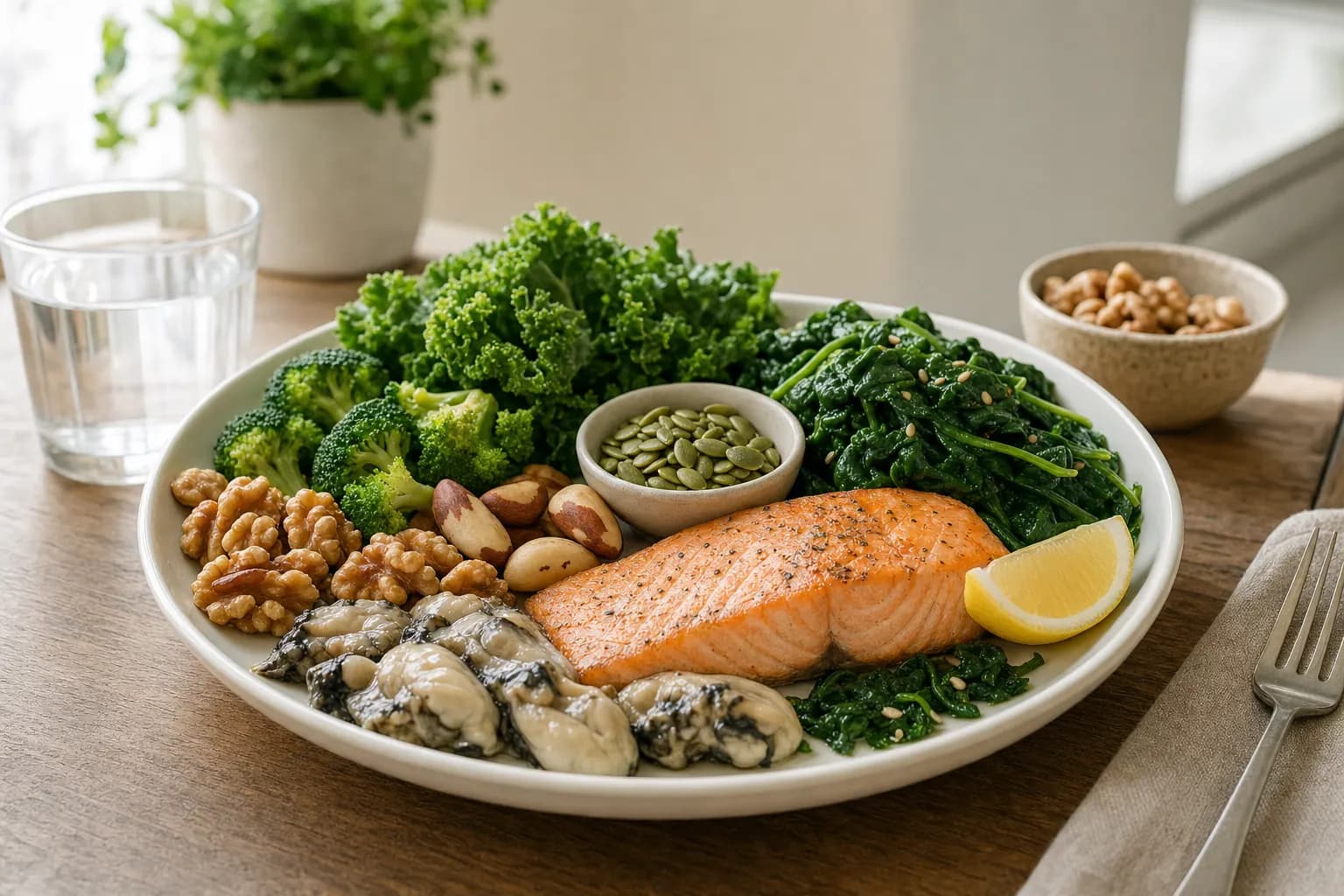
Incorporate iodine, selenium, and zinc into your diet. These minerals are fundamental for proper thyroid function.
3. Foods That Support the Thyroid
Choose nutrient-rich foods such as fish, nuts, legumes, and leafy green vegetables. These are allies for thyroid health.
4. Maintaining Energy Balance
Avoid extreme diets. A balanced approach to eating helps maintain a healthy metabolism.
5. Hydration and Its Importance
Adequate hydration is vital. Make sure to consume enough water throughout the day.
6. Planning Healthy Meals
Take time to plan your meals. This will help you include a variety of foods and avoid unhealthy options.
7. Example of a Healthy Menu
Include breakfast with oatmeal and fruit, lunch with quinoa and vegetables, and dinner with roasted chicken and salad.
8. How to Monitor Your Thyroid Health
Have regular check-ups with your doctor and keep a diary of your eating habits to identify patterns.
9. Warning Signs
Pay attention to symptoms such as fatigue, weight changes, or mood alterations. Consult a doctor if they persist.
10. Closing and Follow-Up Plan
Establish a monthly follow-up plan to evaluate your eating habits and their impact on your overall well-being.
When to seek medical care
If symptoms persist, test results are abnormal, or you have questions about medication, arrange an individual assessment. Do not change treatment or doses without medical guidance.
Frequently asked questions
Which foods should I avoid if I have thyroid problems?
It is advisable to limit processed foods and those high in added sugars, as well as certain cruciferous vegetables in large amounts.
How often should I consult a doctor about my thyroid?
It is recommended to have check-ups at least once a year, or as directed by your doctor.
Can diet affect my thyroid medication?
Yes, some foods can interact with medication. Consult your doctor for specific recommendations.
More articles about Tiroides

5 min de lectura
Publicado: 27 de septiembre de 2026 · Actualizado: 27 de septiembre de 2026
Factors to Consider When Thyroid Treatment Does Not Work as Expected
Analyzes factors that can influence the effectiveness of treatments for hypothyroidism and hyperthyroidism and how to address them effectively.

5 min de lectura
Publicado: 23 de septiembre de 2026 · Actualizado: 23 de septiembre de 2026
How to Manage Your Thyroid Health During Travel and Time Zone Changes in Bogotá
Learn how to care for your thyroid health during travel and time zone changes with practical advice and healthy habits.

8 min de lectura
Publicado: 21 de septiembre de 2026 · Actualizado: 21 de septiembre de 2026
Key Indicators That May Signal Complications in Thyroid Diseases
Discover the warning signs that may indicate cardiovascular and metabolic complications in thyroid diseases and when to seek medical attention.
6 min de lectura
Publicado: 12 de septiembre de 2026 · Actualizado: 12 de septiembre de 2026
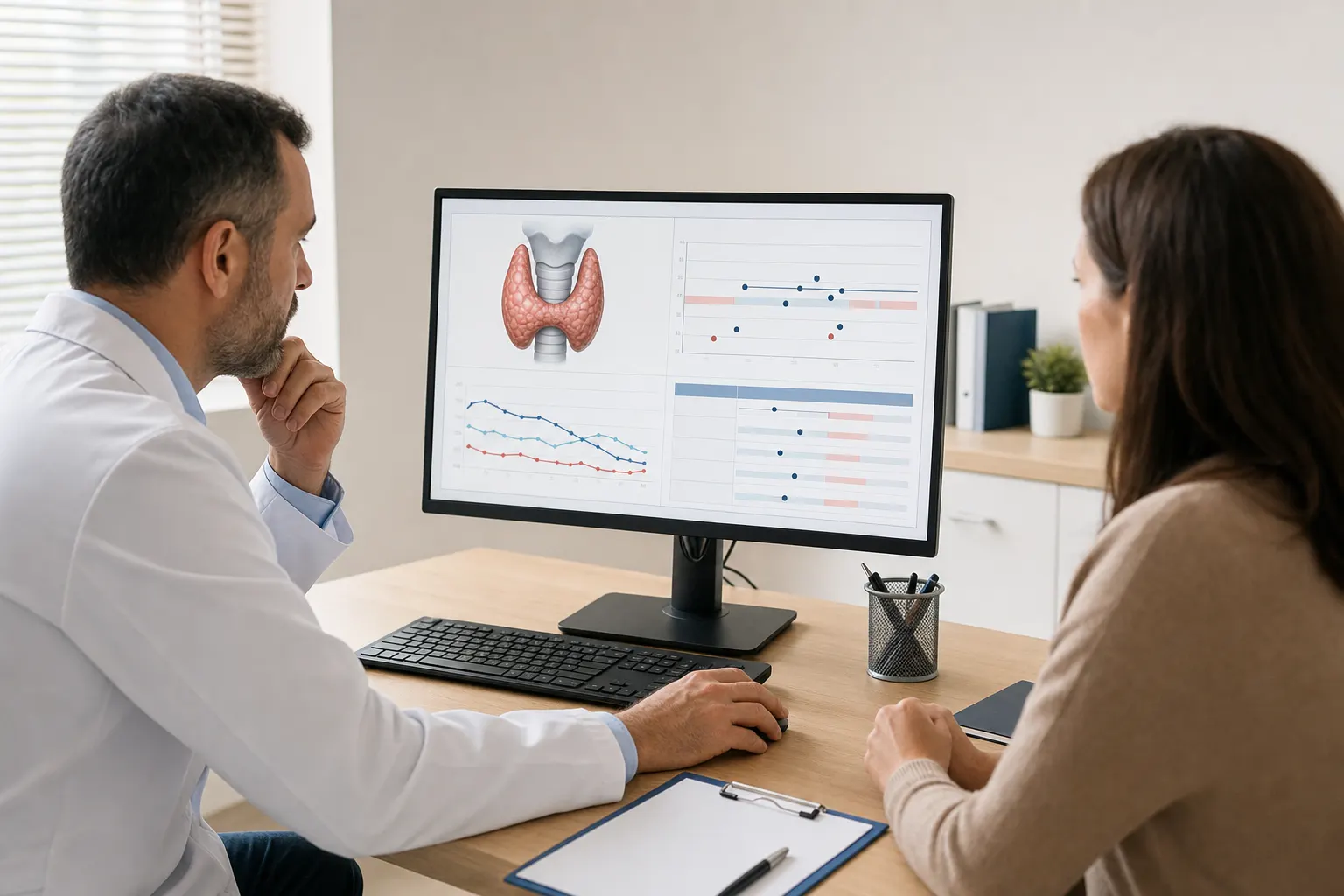
Thyroid: How to Interpret Altered Results in Thyroid Function Tests
Learn how to interpret altered thyroid test results and their impact on health in Bogotá. Understand symptoms, diagnoses, and next steps.

5 min de lectura
Publicado: 6 de septiembre de 2026 · Actualizado: 6 de septiembre de 2026
Signs Indicating the Need to Consult About Thyroid Problems
Discover the signs and symptoms that may indicate thyroid problems and when it is necessary to consult a specialist.

8 min de lectura
Publicado: 24 de septiembre de 2026 · Actualizado: 24 de septiembre de 2026
Personalized Treatment of Hypothyroidism: Keys to Informed Decision-Making
Discover the factors that influence the personalization of hypothyroidism treatment and how to make informed decisions in Bogotá.