Educational article
Establishing Healthy Habits for Thyroid Care: A Practical Follow-Up Guide

Dr. Teresita Cortés Segura, medical reviewer
Author and medical review: Dra. Teresita del Niño Jesús Cortés Segura, endocrinologist.
Location: Bogotá, Colombia.
Published: June 19, 2026 · Updated: June 19, 2026 · 5 min read.
Educational content. It does not replace an individual medical assessment and should not be used for self-medication.

What is the thyroid and why is it important?
The thyroid is a butterfly-shaped gland located in the neck that produces hormones essential for metabolism, growth, and body development. Proper thyroid function is vital to maintaining hormonal balance and overall health.
Signs and symptoms of thyroid problems
Thyroid issues can manifest through symptoms such as fatigue, weight changes, sensitivity to cold or heat, and mood alterations. Being attentive to these signs is crucial, as they may indicate a hormonal imbalance requiring medical attention.
Steps to establish healthy habits
1. **Balanced diet**: Include foods rich in iodine, selenium, and zinc, such as fish, nuts, and legumes. 2. **Regular exercise**: Maintaining a routine of moderate physical activity helps regulate metabolism and improves overall health. 3. **Stress management**: Practicing relaxation techniques like meditation or yoga can benefit your physical and emotional well-being.
Importance of medical follow-up
Regular check-ups with an endocrinologist are crucial to monitor thyroid function. These check-ups include blood tests to evaluate hormone levels and determine if treatment adjustments are necessary.
Common mistakes in thyroid care
Some mistakes include self-medicating, ignoring symptoms, or not consulting a specialist. Following medical recommendations and not making changes without supervision is fundamental for effective thyroid health management.
When to consult a specialist?
It is advisable to see an endocrinologist if you experience persistent symptoms, such as unexplained weight changes or extreme fatigue, or if you have a family history of thyroid diseases. Early diagnosis can prevent serious complications.
When to seek medical care
If symptoms persist, test results are abnormal, or you have questions about medication, arrange an individual assessment. Do not change treatment or doses without medical guidance.
Frequently asked questions
What foods are good for thyroid health?
Foods rich in iodine, such as fish, as well as those containing selenium and zinc, like nuts, are beneficial for thyroid health.
How often should I have thyroid check-ups?
It is suggested to have annual check-ups, or as recommended by your endocrinologist, especially if you have a family history of thyroid problems.
Are thyroid problems hereditary?
Yes, some thyroid conditions can have a genetic component. It is important to inform your doctor about any family history of thyroid diseases.
More articles about Tiroides

5 min de lectura
Publicado: 27 de septiembre de 2026 · Actualizado: 27 de septiembre de 2026
Factors to Consider When Thyroid Treatment Does Not Work as Expected
Analyzes factors that can influence the effectiveness of treatments for hypothyroidism and hyperthyroidism and how to address them effectively.

5 min de lectura
Publicado: 23 de septiembre de 2026 · Actualizado: 23 de septiembre de 2026
How to Manage Your Thyroid Health During Travel and Time Zone Changes in Bogotá
Learn how to care for your thyroid health during travel and time zone changes with practical advice and healthy habits.

8 min de lectura
Publicado: 21 de septiembre de 2026 · Actualizado: 21 de septiembre de 2026
Key Indicators That May Signal Complications in Thyroid Diseases
Discover the warning signs that may indicate cardiovascular and metabolic complications in thyroid diseases and when to seek medical attention.
6 min de lectura
Publicado: 12 de septiembre de 2026 · Actualizado: 12 de septiembre de 2026
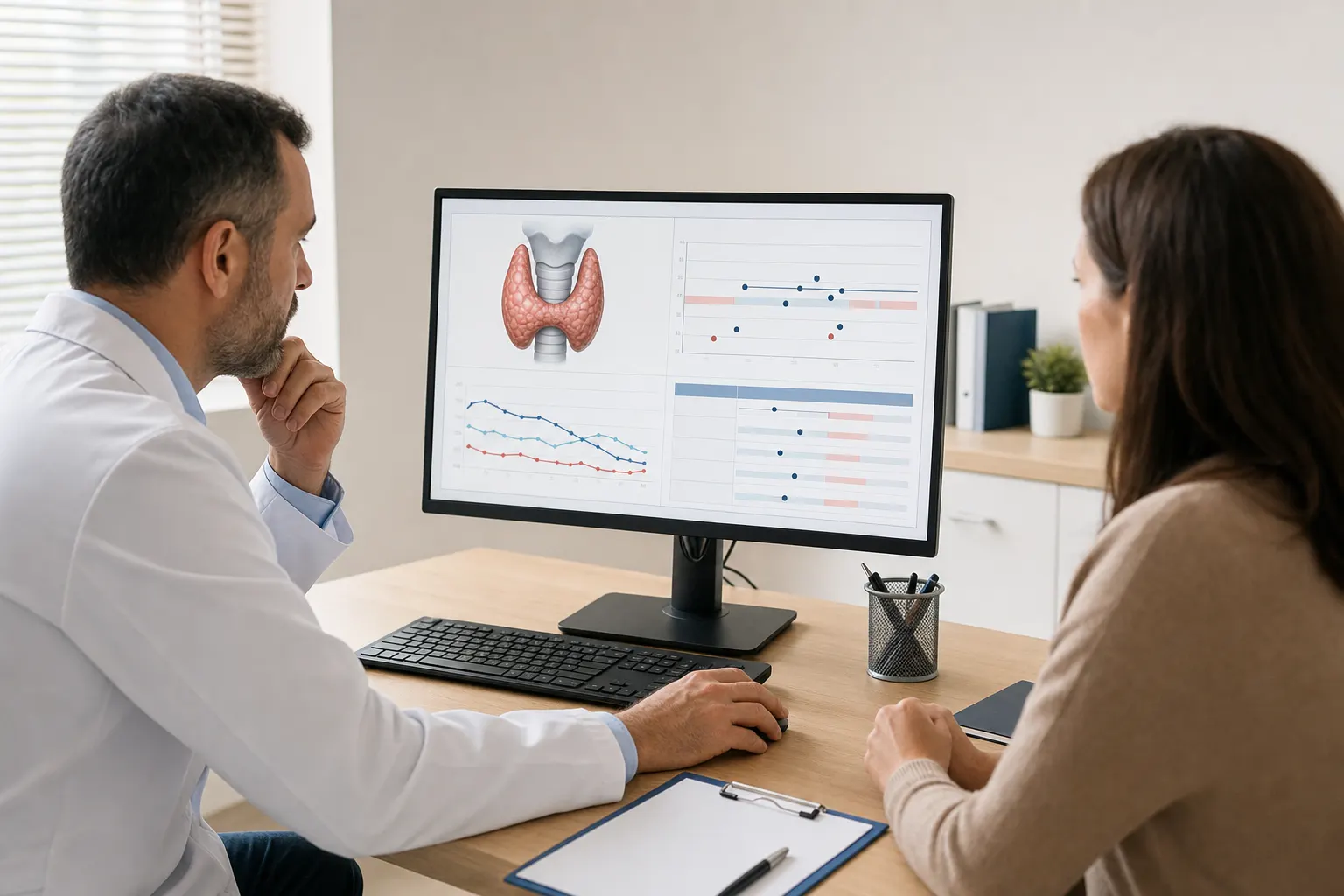
Thyroid: How to Interpret Altered Results in Thyroid Function Tests
Learn how to interpret altered thyroid test results and their impact on health in Bogotá. Understand symptoms, diagnoses, and next steps.

5 min de lectura
Publicado: 6 de septiembre de 2026 · Actualizado: 6 de septiembre de 2026
Signs Indicating the Need to Consult About Thyroid Problems
Discover the signs and symptoms that may indicate thyroid problems and when it is necessary to consult a specialist.

8 min de lectura
Publicado: 24 de septiembre de 2026 · Actualizado: 24 de septiembre de 2026
Personalized Treatment of Hypothyroidism: Keys to Informed Decision-Making
Discover the factors that influence the personalization of hypothyroidism treatment and how to make informed decisions in Bogotá.