Educational article
Impact of Thyroid Symptoms on Daily Routine: How to Recognize Changes in Your Everyday Life

Dr. Teresita Cortés Segura, medical reviewer
Author and medical review: Dra. Teresita del Niño Jesús Cortés Segura, endocrinologist.
Location: Bogotá, Colombia.
Published: August 28, 2026 · Updated: August 28, 2026 · 5 min read.
Educational content. It does not replace an individual medical assessment and should not be used for self-medication.
What Are Thyroid Symptoms?
Thyroid symptoms can vary depending on whether the thyroid gland is overactive (hyperthyroidism) or underactive (hypothyroidism). These may include changes in weight, energy, body temperature, and mood.
Myth 1: Thyroid Symptoms Are Always Obvious
It is a myth that all symptoms of thyroid problems are easy to identify. Often, symptoms can be subtle and mistaken for other conditions, such as stress or normal fatigue.
Myth 2: Only Women Suffer from Thyroid Problems
Although it is true that women have a higher risk, men can also experience thyroid problems. It is important for both genders to be attentive to symptoms.
How Do Thyroid Symptoms Affect the Daily Routine?
Symptoms can significantly impact quality of life. For example, fatigue can make it difficult to perform daily tasks, while anxiety can interfere with work and relationships.

Warning Signs: When to See a Doctor?
If you experience extreme fatigue, unexplained weight changes, or sleep disturbances, it is advisable to consult an endocrinologist. These may be signs of a thyroid problem.
What Steps to Take If You Suspect a Thyroid Problem?
1. Observe your symptoms and note any changes. 2. Consult a doctor for an evaluation. 3. Undergo recommended blood tests to measure your hormone levels.
Myth 3: Thyroid Problems Are Incurable
Although thyroid problems may require long-term treatment, many patients can effectively manage their symptoms with medication and lifestyle changes.
When to seek medical care
If symptoms persist, test results are abnormal, or you have questions about medication, arrange an individual assessment. Do not change treatment or doses without medical guidance.
Frequently asked questions
What are the most common symptoms of thyroid problems?
Symptoms include fatigue, weight changes, sensitivity to cold or heat, and mood changes.
Is it necessary to get tests if I have mild symptoms?
Yes, it is advisable to consult a doctor if you notice persistent symptoms, even if they are mild.
What type of specialist should I consult for thyroid problems?
An endocrinologist is the appropriate specialist to evaluate and treat thyroid-related problems.
More articles about Tiroides

5 min de lectura
Publicado: 27 de septiembre de 2026 · Actualizado: 27 de septiembre de 2026
Factors to Consider When Thyroid Treatment Does Not Work as Expected
Analyzes factors that can influence the effectiveness of treatments for hypothyroidism and hyperthyroidism and how to address them effectively.

5 min de lectura
Publicado: 23 de septiembre de 2026 · Actualizado: 23 de septiembre de 2026
How to Manage Your Thyroid Health During Travel and Time Zone Changes in Bogotá
Learn how to care for your thyroid health during travel and time zone changes with practical advice and healthy habits.

8 min de lectura
Publicado: 21 de septiembre de 2026 · Actualizado: 21 de septiembre de 2026
Key Indicators That May Signal Complications in Thyroid Diseases
Discover the warning signs that may indicate cardiovascular and metabolic complications in thyroid diseases and when to seek medical attention.
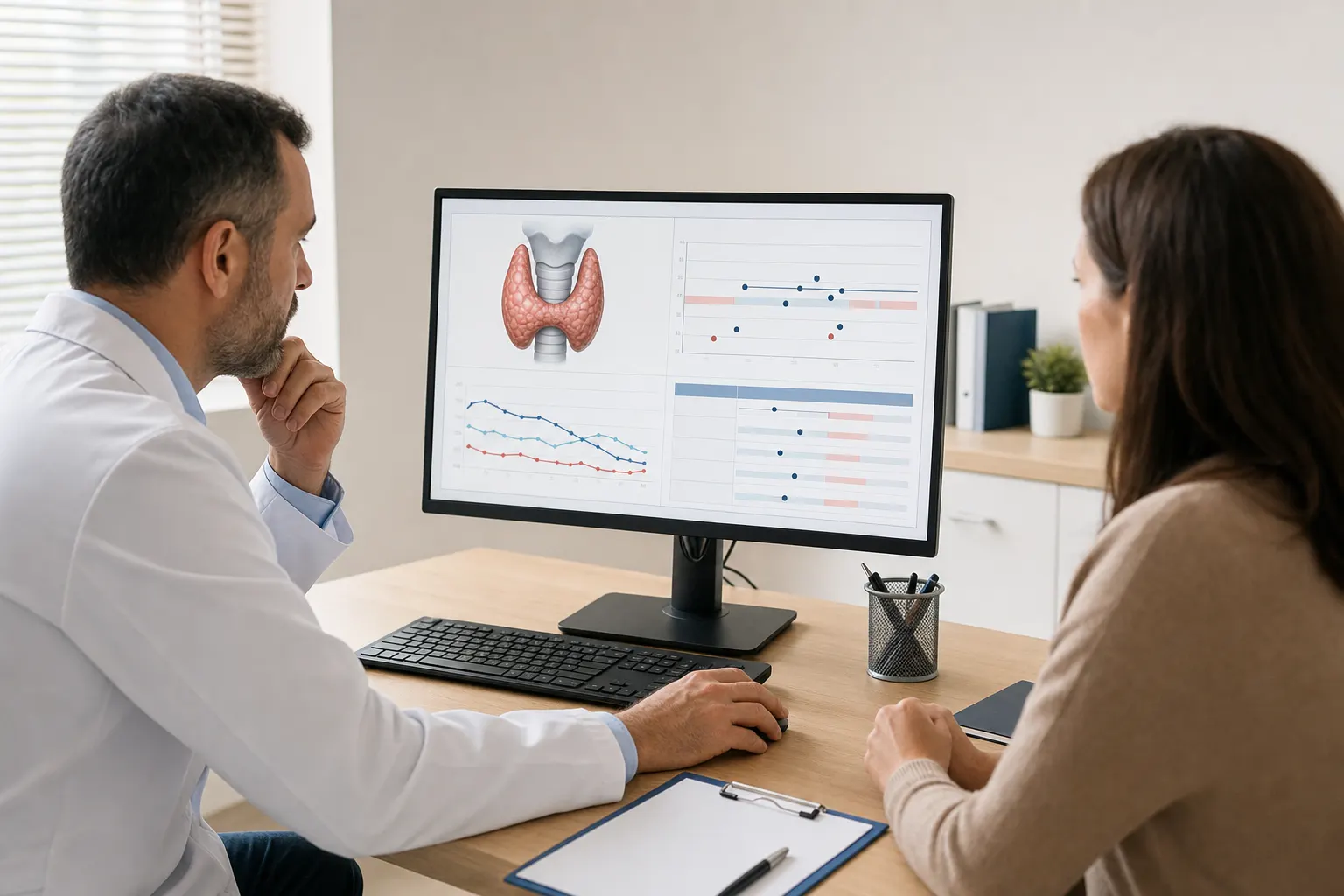
6 min de lectura
Publicado: 12 de septiembre de 2026 · Actualizado: 12 de septiembre de 2026
Thyroid: How to Interpret Altered Results in Thyroid Function Tests
Learn how to interpret altered thyroid test results and their impact on health in Bogotá. Understand symptoms, diagnoses, and next steps.

5 min de lectura
Publicado: 6 de septiembre de 2026 · Actualizado: 6 de septiembre de 2026
Signs Indicating the Need to Consult About Thyroid Problems
Discover the signs and symptoms that may indicate thyroid problems and when it is necessary to consult a specialist.

8 min de lectura
Publicado: 24 de septiembre de 2026 · Actualizado: 24 de septiembre de 2026
Personalized Treatment of Hypothyroidism: Keys to Informed Decision-Making
Discover the factors that influence the personalization of hypothyroidism treatment and how to make informed decisions in Bogotá.