Educational article
Comprehensive Thyroid Management: Habits and Medical Follow-Up

Dr. Teresita Cortés Segura, medical reviewer
Author and medical review: Dra. Teresita del Niño Jesús Cortés Segura, endocrinologist.
Location: Bogotá, Colombia.
Published: July 23, 2026 · Updated: July 23, 2026 · 5 min read.
Educational content. It does not replace an individual medical assessment and should not be used for self-medication.

What Is the Thyroid?
The thyroid is a butterfly-shaped endocrine gland located at the front of the neck, responsible for regulating metabolism through hormones such as thyroxine (T4) and triiodothyronine (T3). Its proper function is essential for energy balance and overall well-being.
Signs of Thyroid Problems
Thyroid disorders can manifest with symptoms such as unexplained weight changes, fatigue, mood alterations, dry skin, and sensitivity to cold or heat. It is crucial to be attentive to these signs and consult a specialist.
Diagnosis of Thyroid Disorders
Diagnosis includes a physical examination and blood tests to evaluate hormone levels. A comprehensive approach considers symptoms, medical history, and the patient’s family context.
Importance of Medical Follow-Up
Regular medical follow-up is vital for effective management of thyroid disorders. Attending periodic appointments allows monitoring hormone levels and adjusting treatment, helping to prevent complications.
Healthy Habits for the Thyroid
Adopting healthy habits, such as a balanced diet rich in iodine and selenium, regular exercise, stress management, and adequate sleep, can improve thyroid health and overall well-being.
Common Mistakes in Thyroid Management
Patients often make mistakes such as self-medicating or missing medical appointments. These can lead to inadequate disease control and increase the risk of complications.
When to Consult a Specialist?
It is advisable to consult an endocrinologist if persistent thyroid-related symptoms occur or if there are significant changes in weight or mood. Early care is key to effective management.
When to seek medical care
If symptoms persist, test results are abnormal, or you have questions about medication, arrange an individual assessment. Do not change treatment or doses without medical guidance.
Frequently asked questions
What foods are good for thyroid health?
Foods rich in iodine, selenium, and zinc, such as fish, nuts, and dairy products, are beneficial for thyroid health.
How often should I have thyroid check-ups?
Annual check-ups are recommended or as directed by your endocrinologist, especially if you have a family history of thyroid problems.
Does stress affect thyroid function?
Yes, stress can influence thyroid function, so it is important to incorporate stress management techniques into your daily routine.
More articles about Tiroides

5 min de lectura
Publicado: 27 de septiembre de 2026 · Actualizado: 27 de septiembre de 2026
Factors to Consider When Thyroid Treatment Does Not Work as Expected
Analyzes factors that can influence the effectiveness of treatments for hypothyroidism and hyperthyroidism and how to address them effectively.

5 min de lectura
Publicado: 23 de septiembre de 2026 · Actualizado: 23 de septiembre de 2026
How to Manage Your Thyroid Health During Travel and Time Zone Changes in Bogotá
Learn how to care for your thyroid health during travel and time zone changes with practical advice and healthy habits.

8 min de lectura
Publicado: 21 de septiembre de 2026 · Actualizado: 21 de septiembre de 2026
Key Indicators That May Signal Complications in Thyroid Diseases
Discover the warning signs that may indicate cardiovascular and metabolic complications in thyroid diseases and when to seek medical attention.
6 min de lectura
Publicado: 12 de septiembre de 2026 · Actualizado: 12 de septiembre de 2026
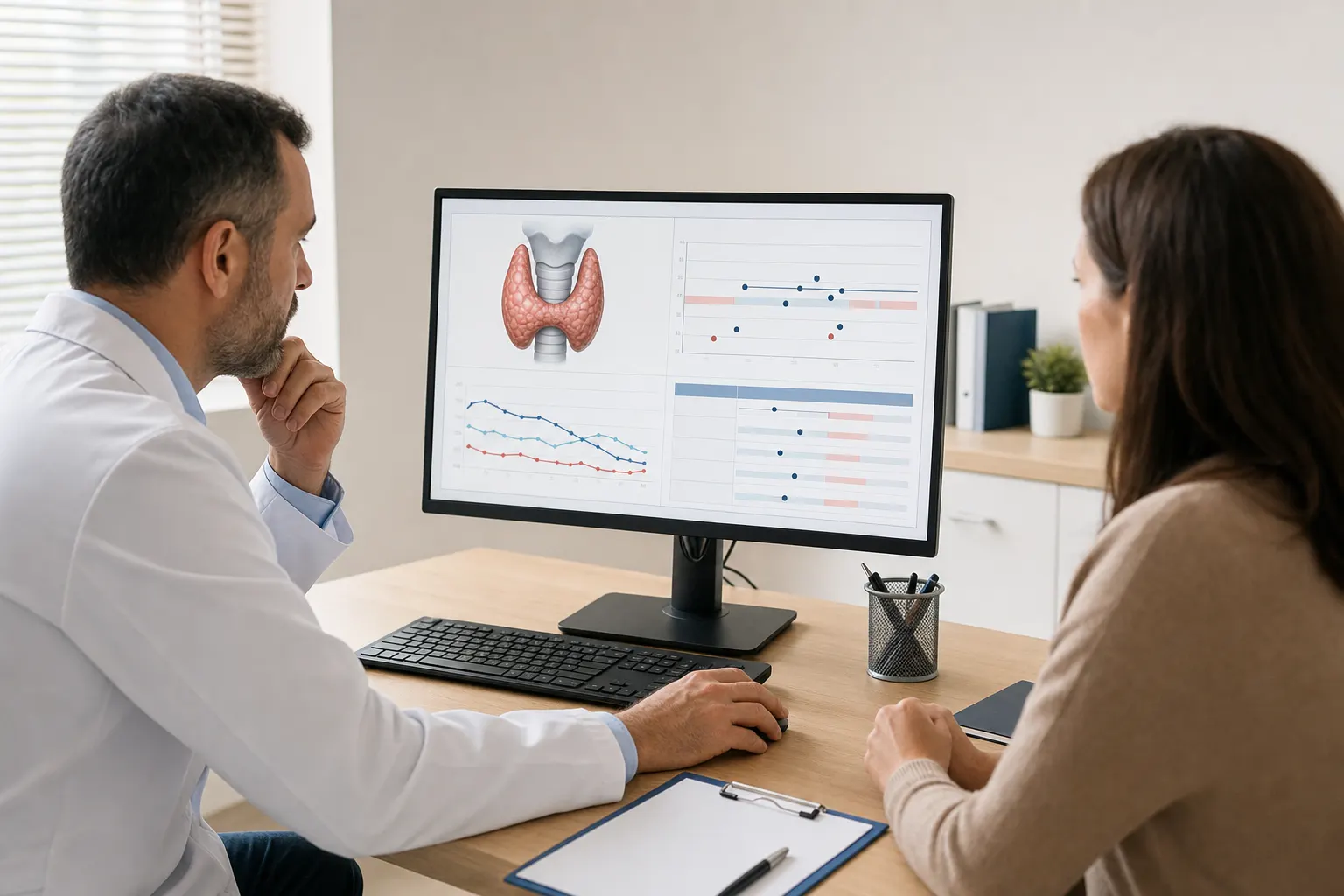
Thyroid: How to Interpret Altered Results in Thyroid Function Tests
Learn how to interpret altered thyroid test results and their impact on health in Bogotá. Understand symptoms, diagnoses, and next steps.

5 min de lectura
Publicado: 6 de septiembre de 2026 · Actualizado: 6 de septiembre de 2026
Signs Indicating the Need to Consult About Thyroid Problems
Discover the signs and symptoms that may indicate thyroid problems and when it is necessary to consult a specialist.

8 min de lectura
Publicado: 24 de septiembre de 2026 · Actualizado: 24 de septiembre de 2026
Personalized Treatment of Hypothyroidism: Keys to Informed Decision-Making
Discover the factors that influence the personalization of hypothyroidism treatment and how to make informed decisions in Bogotá.